










1 / 10 Questions
0 Points

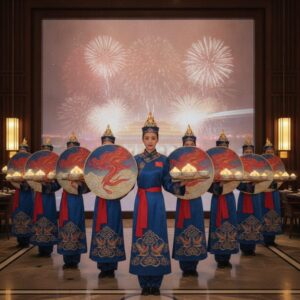
Which Nazi-themed restaurant in Indonesia caused international outrage in 2013 when waiters wore SS uniforms?

Berlin Café in Surabaya

Soldatenkaffee in Bandung

The Bunker in Jakarta

Das Reich in Bali

Points won
0
Correct score
0%

More Questions

More Articles

Did You Know These Sports Rules Almost Never Existed?

Did You Know These Sports Rules Almost Never Existed?

⏱️ 5 min read

The world of sports is built on rules that seem timeless and essential to gameplay. Yet many of the regulations that define today's most popular sports were controversial additions, last-minute decisions, or complete accidents of history. These rules now feel so fundamental that imagining the games without them seems impossible. Understanding how these regulations came to be reveals the evolving nature of athletic competition and how close we came to experiencing entirely different versions of beloved sports.

The Three-Point Line That Changed Basketball Forever

Basketball fans today cannot imagine the sport without the three-point line, yet this game-changing rule nearly never made it into professional play. The concept originated in 1961 with the American Basketball League, but the league folded after just one season, almost taking the three-point shot with it. The NBA resisted adopting this rule for nearly two decades, viewing it as a gimmick that would fundamentally alter the game's character.

When the ABA introduced the three-point line in 1967, traditional basketball purists dismissed it as a desperate attempt to generate excitement. The NBA finally adopted the rule in 1979, but only after heated debates among team owners and coaches. Some argued it would reward lucky shots over skilled play, while others feared it would make big men obsolete. The rule was nearly abolished several times in its early years when statistics showed minimal impact on gameplay. Today, the three-point shot defines modern basketball strategy, and the sport would be unrecognizable without it.

Football's Forward Pass: A Controversial Revolution

American football operated for decades without the forward pass, relying exclusively on running plays and lateral passes. The forward pass was actually illegal until 1906, and its legalization faced substantial opposition from football traditionalists who believed the game should be about physical dominance and ground control. The rule change came about not from a desire to innovate, but from necessity.

President Theodore Roosevelt threatened to ban football entirely due to the alarming number of deaths and serious injuries occurring in the sport. In 1905 alone, 18 players died from football-related injuries, and over 150 were seriously hurt. The forward pass was introduced as a safety measure to open up the game and reduce the brutal mass formations that led to these casualties. Initially, the forward pass came with severe restrictions: it could only be thrown from at least five yards behind the line of scrimmage, and an incomplete pass resulted in a turnover. These limitations nearly killed the innovation before it could take hold. Gradual rule modifications over the following decades transformed football into the passing game millions enjoy today.

Hockey's Blue Line and Offside Rule

Professional hockey once allowed players to position themselves anywhere on the ice, including camping out in front of the opponent's goal waiting for passes. This "cherry-picking" strategy made games slow and defensively focused, as teams struggled to advance through clusters of waiting players. The blue line didn't exist until 1918, and its introduction fundamentally changed hockey's flow.

The Pacific Coast Hockey Association first experimented with dividing the ice into zones, but the concept was controversial. Many players and fans believed it eliminated strategic positioning and rewarded speed over intelligence. The NHL initially rejected the innovation, fearing it would confuse spectators and complicate gameplay unnecessarily. When finally adopted, the offside rule created the fast-paced, back-and-forth action that defines modern hockey. Without this nearly-rejected rule, hockey would remain a game of stationary positioning rather than dynamic skating.

Baseball's Designated Hitter: A Rule That Split the Sport

Few rule changes have proven as divisive as baseball's designated hitter, introduced by the American League in 1973. The rule almost never happened due to fierce resistance from traditionalists who believed it violated baseball's fundamental structure. The proposal had been discussed and rejected multiple times throughout the 1960s before finally passing by a narrow margin.

The National League refused to adopt the designated hitter rule, and this split persists today, making baseball unique among major sports with different rules governing different leagues. The rule's survival was uncertain for years, with annual votes threatening its elimination. Proponents argued it added offense and prolonged careers of aging stars, while opponents insisted it reduced strategy and disconnected players from complete participation. This controversial rule that nearly failed to exist remains hotly debated five decades later.

Tennis's Tie-Break System

Tennis matches once continued indefinitely until one player won a set by two games. This led to marathon matches lasting hours or even days, exhausting players and creating scheduling nightmares for tournaments. The tie-break system, introduced in 1970, faced substantial criticism from tennis purists who considered it an artificial endpoint to what should be tests of endurance.

Legendary players argued that tie-breaks eliminated the mental warfare of long sets and rewarded quick points over sustained excellence. Wimbledon refused to adopt tie-breaks for final sets until 2019, maintaining tradition for nearly fifty years after other tournaments embraced the change. This rule that revolutionized tennis scheduling and strategy was nearly rejected entirely, and its gradual acceptance demonstrates how reluctantly sports evolve even when facing practical necessities.

The Lasting Impact of Nearly-Rejected Rules

These rules that almost never existed now define their respective sports. They demonstrate that what seems fundamental and obvious today was once controversial and contested. Sports evolve through experimentation, resistance, and gradual acceptance, with each generation of players and fans eventually embracing changes their predecessors fought against. Understanding this history reminds us that future rule changes, no matter how controversial they seem initially, might become the traditions that define sports for generations to come.
Top 10 Facts About Coffee Every Drinker Should Know

Top 10 Facts About Coffee Every Drinker Should Know

⏱️ 7 min read

Coffee is more than just a morning ritual or an afternoon pick-me-up. It's a complex beverage with a rich history, fascinating science, and surprising health implications. Whether consumed as a daily necessity or savored as a gourmet experience, understanding the deeper aspects of coffee can enhance appreciation for every cup. From its ancient origins to its chemical composition, these essential facts reveal why coffee has become one of the most consumed beverages worldwide.

Essential Coffee Knowledge for Enthusiasts

1. Coffee Originated in Ethiopia Centuries Ago

The story of coffee begins in the ancient coffee forests of Ethiopia, where legend tells of a goat herder named Kaldi who discovered the energizing effects of coffee beans around the 9th century. He noticed his goats became unusually energetic after eating berries from a certain tree. This discovery eventually spread to the Arabian Peninsula, where coffee cultivation and trade began in earnest. By the 15th century, coffee was being grown in Yemen, and by the 16th century, it had reached Persia, Egypt, Syria, and Turkey. The beverage that billions enjoy today has roots stretching back over a thousand years.

2. Only Two Main Coffee Species Dominate the Market

While there are over 120 species of coffee plants, only two account for virtually all commercial coffee production: Coffea arabica (Arabica) and Coffea canephora (Robusta). Arabica represents approximately 60-70% of global production and is considered superior in flavor, with a sweeter, more complex taste and higher acidity. It grows at higher elevations and is more delicate, making it more expensive. Robusta, containing nearly twice the caffeine content of Arabica, has a stronger, harsher, and more bitter flavor. It's hardier, more resistant to diseases, and grows at lower altitudes, making it less expensive to produce.

3. Caffeine Content Varies Dramatically by Brewing Method

The amount of caffeine in a cup of coffee isn't standard—it varies significantly based on brewing method, bean type, and serving size. An 8-ounce cup of drip coffee typically contains 95-200 mg of caffeine, while the same amount of espresso contains only about 47-75 mg per shot (1-1.5 ounces). However, espresso has more caffeine per ounce. Cold brew coffee often contains more caffeine than hot-brewed coffee due to the extended steeping time. French press coffee tends to have higher caffeine levels than filtered coffee because the grounds remain in contact with water longer and no paper filter removes caffeinated oils.

4. Coffee Beans Are Actually Seeds from a Fruit

What people call "coffee beans" are technically seeds from the coffee cherry, a small fruit that grows on coffee plants. Each cherry typically contains two seeds facing each other, though occasionally a single seed called a "peaberry" forms. The cherries are red or purple when ripe, and the seeds must be extracted and processed before roasting. The fruit surrounding the seeds is often discarded during processing, though some regions have begun using it to make cascara tea. Understanding coffee as a fruit product helps explain why factors like soil, altitude, and climate—collectively known as terroir—so dramatically affect flavor profiles.

5. Roasting Level Affects Caffeine and Flavor Profiles

Contrary to popular belief, darker roasts contain slightly less caffeine than lighter roasts because the roasting process breaks down caffeine molecules. Light roasts preserve more of the bean's original characteristics and have brighter, more acidic flavors with fruity or floral notes. Medium roasts offer balanced flavor, aroma, and acidity. Dark roasts develop bold, smoky flavors with less acidity but more bitterness, as sugars caramelize and oils emerge to the surface. The roasting process involves temperatures between 370-540°F and triggers over 1,000 chemical reactions that create coffee's complex flavor compounds.

6. Coffee Offers Significant Health Benefits When Consumed Moderately

Research has consistently shown that moderate coffee consumption—typically defined as 3-4 cups daily—is associated with numerous health benefits. Studies link coffee drinking to reduced risks of type 2 diabetes, Parkinson's disease, Alzheimer's disease, and certain cancers. Coffee is loaded with antioxidants and may actually be the largest source of antioxidants in the Western diet for many people. It can improve cognitive function, boost metabolism, and enhance physical performance. However, excessive consumption can lead to anxiety, disrupted sleep, and increased heart rate, particularly in individuals sensitive to caffeine.

7. Proper Storage Dramatically Extends Coffee Freshness

Coffee begins losing freshness immediately after roasting, and improper storage accelerates this process. The four enemies of fresh coffee are air, moisture, heat, and light. Whole beans maintain freshness far longer than ground coffee because they have less surface area exposed to oxygen. For optimal freshness, store coffee in an airtight, opaque container at room temperature, away from heat sources and direct sunlight. Contrary to common practice, refrigerators and freezers are generally poor storage locations because they introduce moisture and odors. Coffee stored properly maintains peak flavor for 2-3 weeks after roasting, though it remains drinkable for months.

8. Water Quality and Temperature Are Critical for Perfect Extraction

Since coffee is approximately 98% water, water quality profoundly impacts the final cup's taste. Ideal brewing water should be filtered to remove chlorine and impurities but retain minerals that enhance extraction and flavor. The optimal brewing temperature ranges from 195-205°F (90-96°C). Water that's too hot over-extracts coffee, resulting in bitter flavors, while water that's too cool under-extracts, producing weak, sour coffee. The water-to-coffee ratio also matters significantly; the Specialty Coffee Association recommends using 1-2 tablespoons of coffee per 6 ounces of water, though personal preference should guide adjustments.

9. Coffee Is the Second Most Traded Commodity Globally

Coffee ranks as the second most traded commodity in the world after crude oil, with millions of people depending on it for their livelihoods. Over 25 million farmers across more than 50 countries produce coffee, primarily in the "Bean Belt" region between the Tropics of Cancer and Capricorn. The global coffee industry generates over $100 billion annually. Brazil is the world's largest producer, followed by Vietnam, Colombia, and Indonesia. This massive industry supports entire economies in developing nations, though farmers often receive only a small fraction of the final retail price, highlighting ongoing concerns about fair trade and sustainable practices.

10. Espresso Is a Brewing Method, Not a Bean Type or Roast

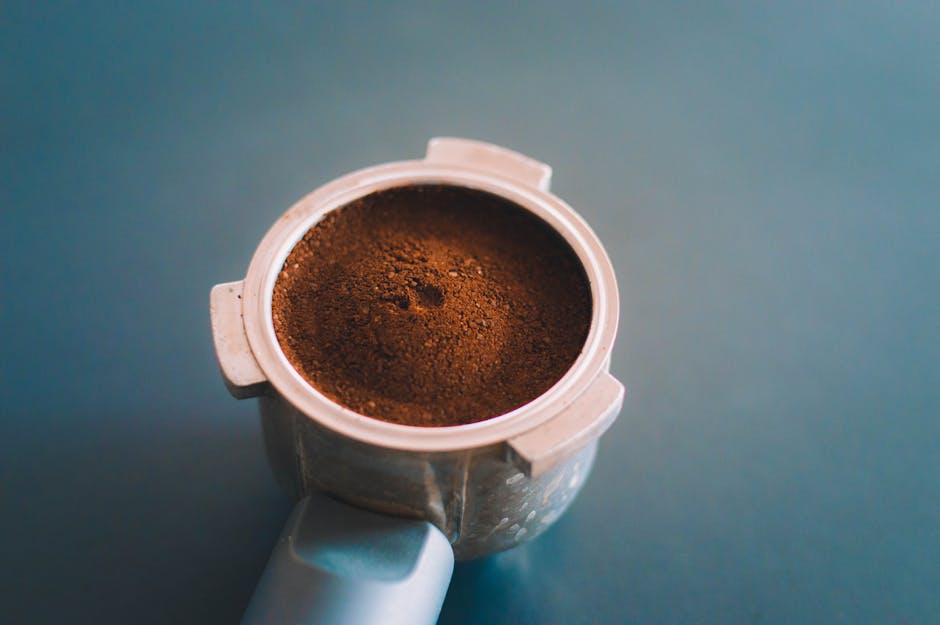
A common misconception is that espresso requires special beans or a specific roast level. In reality, espresso is simply a brewing method that forces hot water through finely ground coffee under high pressure (typically 9 bars). This process creates a concentrated coffee with a distinctive crema on top. Any coffee bean can theoretically be used for espresso, though certain roast profiles and blends are optimized for this brewing method. The espresso method serves as the foundation for numerous popular drinks including cappuccinos, lattes, macchiatos, and Americanos. A single shot of espresso uses about 7-9 grams of coffee and extracts in 25-30 seconds when properly prepared.

Enhancing the Coffee Experience

These ten facts demonstrate that coffee is far more complex and fascinating than many drinkers realize. From its ancient Ethiopian origins to its status as a global commodity, from the botanical reality of coffee cherries to the chemistry of roasting and extraction, every cup represents centuries of history and intricate science. Understanding these fundamentals allows coffee enthusiasts to make more informed choices about the beans they purchase, how they store and brew them, and how they incorporate coffee into a healthy lifestyle. Whether reaching for a morning cup or savoring an afternoon espresso, this knowledge transforms coffee from a simple beverage into an experience worth appreciating.