
⏱️ 5 min read
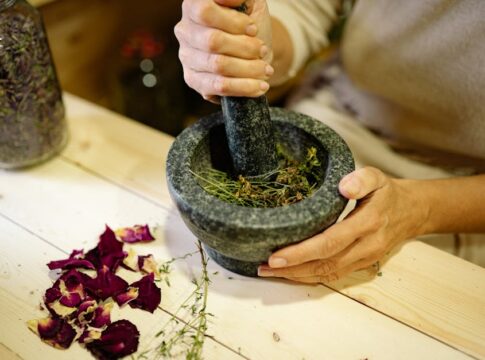
For centuries, herbs have played a dual role in human civilization—enhancing the flavors of culinary creations while simultaneously serving as powerful natural remedies. Modern science continues to validate what traditional healers have known for millennia: many common kitchen herbs possess remarkable medicinal properties that can support health and wellness. Understanding these benefits can transform the way we approach both cooking and self-care, bridging the gap between the spice rack and the medicine cabinet.
Turmeric: The Golden Healer
Turmeric stands as one of the most extensively researched herbs in modern medicine, with over 13,000 scientific studies examining its therapeutic potential. The active compound curcumin gives turmeric its distinctive golden color and impressive anti-inflammatory properties. This ancient spice, fundamental to Indian and Southeast Asian cuisines, has demonstrated effectiveness in reducing inflammation markers throughout the body.
Research indicates that turmeric may support joint health, improve digestive function, and enhance cognitive performance. Its antioxidant capabilities help neutralize harmful free radicals, potentially reducing the risk of chronic diseases. For optimal absorption, turmeric should be consumed with black pepper, which contains piperine—a compound that increases curcumin bioavailability by up to 2,000 percent.
Ginger: Nature’s Nausea Remedy
Ginger root has earned its reputation as an effective digestive aid and anti-nausea treatment across numerous cultures. Clinical studies have confirmed its efficacy in combating motion sickness, morning sickness during pregnancy, and chemotherapy-induced nausea. The bioactive compounds gingerol and shogaol contribute to these therapeutic effects while also providing powerful anti-inflammatory benefits.
Beyond digestive support, ginger demonstrates promise in pain management. Research suggests regular ginger consumption may reduce muscle soreness, alleviate menstrual pain, and decrease arthritis-related discomfort. Whether consumed fresh, dried, or as a tea, ginger offers versatile applications for both culinary and medicinal purposes.
Garlic: The Cardiovascular Protector
Garlic transcends its role as a flavor enhancer, offering substantial cardiovascular benefits supported by extensive scientific evidence. The sulfur compound allicin, released when garlic is crushed or chopped, contributes to its distinctive aroma and therapeutic properties. Studies indicate that regular garlic consumption may help reduce blood pressure, lower cholesterol levels, and improve overall heart health.
The antimicrobial properties of garlic have been recognized since ancient times, with modern research confirming its effectiveness against various bacteria, viruses, and fungi. Regular consumption may strengthen immune function, potentially reducing the frequency and severity of common colds. To maximize medicinal benefits, crushing or chopping garlic and allowing it to rest for ten minutes before cooking helps preserve allicin content.
Peppermint: The Digestive Soother
Peppermint offers more than refreshing flavor—it provides legitimate therapeutic benefits for digestive health. The essential oil menthol, which gives peppermint its characteristic cooling sensation, acts as a natural antispasmodic agent. This property makes peppermint particularly effective for alleviating symptoms of irritable bowel syndrome, including bloating, gas, and abdominal pain.
Clinical trials have demonstrated that peppermint oil capsules can significantly reduce IBS symptoms in many patients. Additionally, peppermint tea serves as a gentle remedy for indigestion and can help relieve tension headaches when applied topically as diluted essential oil. The herb also exhibits antimicrobial properties and may support respiratory health.
Rosemary: The Memory Enhancer
Rosemary has been associated with memory and cognitive function since ancient Greek scholars wore rosemary garlands while studying. Contemporary research supports this traditional wisdom, revealing that rosemary contains compounds that may protect the brain from oxidative stress and improve concentration and memory retention.
The antioxidants and anti-inflammatory compounds in rosemary, particularly rosmarinic acid and carnosic acid, demonstrate neuroprotective effects. Studies suggest that even the aroma of rosemary may enhance cognitive performance and alertness. Beyond brain health, rosemary supports digestive function and may improve circulation throughout the body.
Cinnamon: The Blood Sugar Regulator
Cinnamon delivers more than warmth and sweetness to dishes—it offers potential benefits for blood sugar management. Research indicates that cinnamon may improve insulin sensitivity and help regulate glucose metabolism, making it particularly relevant for individuals concerned about blood sugar control. The active compounds in cinnamon appear to mimic insulin and increase glucose uptake by cells.
Studies have shown that regular cinnamon consumption may reduce fasting blood sugar levels and improve hemoglobin A1c measurements in people with type 2 diabetes. Additionally, cinnamon exhibits antimicrobial properties and contains powerful antioxidants that rank among the highest found in any spice.
Sage: The Cognitive Supporter
Sage has demonstrated promising effects on cognitive function and memory, with research suggesting it may benefit individuals experiencing age-related memory decline. The herb contains compounds that inhibit the breakdown of acetylcholine, a neurotransmitter crucial for memory and learning. Some studies indicate sage may offer therapeutic potential for Alzheimer’s disease management.
Beyond cognitive benefits, sage exhibits antimicrobial properties and has traditionally been used to soothe sore throats and reduce inflammation. The herb also shows promise in managing menopausal symptoms, particularly hot flashes and night sweats.
Safe Integration into Daily Life
While these herbs offer impressive medicinal benefits, they should complement rather than replace professional medical care. Consulting healthcare providers before using herbs therapeutically remains essential, especially for pregnant women, nursing mothers, or individuals taking medications. Many herbs can interact with pharmaceutical drugs, potentially altering their effectiveness.
Incorporating these medicinal herbs into daily cooking provides a gentle, enjoyable approach to supporting overall health. Whether adding turmeric to smoothies, brewing peppermint tea, or seasoning meals with garlic and rosemary, the culinary world offers abundant opportunities to benefit from nature’s pharmacy while creating delicious, health-supporting meals.