










1 / 10 Questions
0 Points

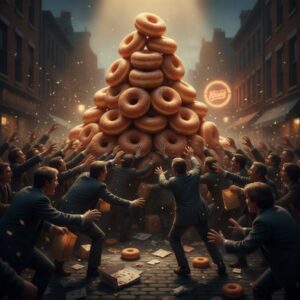
What dessert pastry caused block-long lines and $100 resales when Dominique Ansel Bakery debuted it in 2013?

Doughssant

Duffin

Cronut

Crookie

Points won
0
Correct score
0%

More Questions

More Articles

Did You Know These Quick Facts About Energy Use?

Did You Know These Quick Facts About Energy Use?

⏱️ 5 min read

Energy consumption touches every aspect of modern life, yet many surprising facts about how we produce, distribute, and use energy remain unknown to most people. Understanding these facts can help individuals and organizations make more informed decisions about energy conservation and sustainability. From household appliances to industrial operations, the patterns of energy use reveal fascinating insights about our world.

The Hidden Energy Costs of Everyday Devices

Many common household devices consume electricity even when turned off, a phenomenon known as phantom power or vampire energy. This standby power consumption accounts for approximately 5-10% of residential energy use in developed countries. Devices such as televisions, gaming consoles, cable boxes, and phone chargers continue drawing power when plugged in, costing the average household between $100 and $200 annually.

Modern refrigerators represent one of the most significant energy consumers in homes, operating continuously throughout the year. However, today's refrigerators are remarkably more efficient than their predecessors. A typical refrigerator manufactured in 2021 uses about 75% less energy than models from the 1970s, despite often being larger and having more features. This improvement demonstrates how technological advances have dramatically reduced energy consumption without sacrificing functionality.

Global Energy Production and Consumption Patterns

The world consumes approximately 580 million terajoules of energy annually, with fossil fuels still accounting for roughly 80% of global energy production. Despite significant investments in renewable energy, the transition away from traditional energy sources progresses more slowly than many anticipate. China currently leads global energy consumption, using about one-quarter of the world's total energy supply, followed by the United States at approximately 16%.

Renewable energy sources have experienced remarkable growth over the past two decades. Solar power capacity has increased by more than 40% annually over the last decade, making it the fastest-growing energy source worldwide. Wind energy follows closely, with installed capacity doubling approximately every four years. Despite this rapid growth, renewables still account for only about 20% of global energy consumption, highlighting the enormous scale of the energy transition challenge.

Transportation Energy Consumption Realities

The transportation sector consumes approximately 28% of all energy used in the United States, with personal vehicles accounting for more than half of this total. An average gasoline-powered car converts only about 20-30% of the energy stored in gasoline into actual movement, with the remainder lost as heat and friction. This inefficiency explains why electric vehicles, which convert approximately 60-70% of electrical energy into motion, offer such significant efficiency advantages.

Aviation represents one of the most energy-intensive forms of transportation per passenger mile. A single transatlantic flight consumes roughly the same amount of fuel per passenger as driving a car for an entire year. However, modern aircraft are significantly more efficient than older models, with new planes using approximately 20-25% less fuel than aircraft manufactured just fifteen years ago.

Industrial and Commercial Energy Use Facts

Industrial facilities consume approximately one-third of global energy supplies, with manufacturing processes requiring vast amounts of electricity and heat. The production of aluminum ranks among the most energy-intensive manufacturing processes, requiring approximately 15 kilowatt-hours of electricity to produce just one kilogram of the metal. Steel production similarly demands enormous energy inputs, with the global steel industry consuming about 20% of all industrial energy use worldwide.

Data centers and cloud computing infrastructure consume approximately 1-2% of global electricity, a figure that continues growing as internet usage expands. A single large data center can consume as much electricity as a small city, with much of this energy devoted to cooling systems that prevent servers from overheating. Companies increasingly locate data centers in cooler climates to reduce cooling energy requirements, with some facilities using innovative approaches like submersion cooling or free-air cooling.

Seasonal and Geographic Variations in Energy Demand

Energy consumption patterns vary dramatically based on geography, climate, and season. Countries in extreme climates typically consume more energy per capita than those with moderate temperatures. For instance, Iceland and Norway rank among the highest per capita energy consumers globally, largely due to heating requirements, though both countries generate most electricity from renewable sources.

Peak energy demand typically occurs during extreme weather conditions, with hot summer afternoons in warm climates and cold winter mornings in northern regions generating maximum strain on electrical grids. These peak demand periods can require up to 20% more generation capacity than average conditions, necessitating expensive infrastructure that sits idle most of the time. Smart grid technologies and demand response programs increasingly help manage these peaks more efficiently.

The Future of Energy Efficiency

Energy efficiency improvements have delivered remarkable results over recent decades. Since 1990, the global economy has grown substantially while energy intensity—the amount of energy required to produce one unit of economic output—has decreased by approximately 30%. This decoupling of economic growth from energy consumption demonstrates that development and sustainability need not conflict.

LED lighting technology exemplifies efficiency advances, using approximately 75% less energy than traditional incandescent bulbs while lasting 25 times longer. If every household in the United States replaced just five traditional bulbs with LED alternatives, the annual energy savings would equal the output of approximately eight large power plants. Such simple changes, multiplied across millions of users, create substantial impacts on overall energy consumption patterns.
Did You Know These Quick Facts About Famous People?

Did You Know These Quick Facts About Famous People?

⏱️ 5 min read

Throughout history, famous individuals have captivated public imagination not only through their achievements but also through the fascinating details of their personal lives. While most people know the major accomplishments of celebrities, historical figures, and cultural icons, countless surprising facts remain hidden from common knowledge. These lesser-known details often reveal the humanity, quirks, and unexpected talents of people who have shaped our world.

Scientific Minds With Surprising Hobbies

Albert Einstein, widely regarded as one of the greatest physicists of all time, had a passionate relationship with music that many overlook. He began playing violin at age six and continued throughout his life, often stating that if he hadn't become a physicist, he would have been a musician. Einstein claimed that his scientific breakthroughs often came while playing his violin, which he affectionately named "Lina." This connection between music and mathematics demonstrates how creative pursuits can enhance logical thinking.

Marie Curie, the pioneering scientist who discovered radium and polonium, remains the only person to win Nobel Prizes in two different scientific fields: Physics in 1903 and Chemistry in 1911. What many don't realize is that she was also the first woman to become a professor at the University of Paris. Despite her groundbreaking achievements, Curie faced significant gender discrimination throughout her career and was initially denied membership in the French Academy of Sciences simply because she was a woman.

Literary Legends and Their Unusual Habits

Charles Dickens had an peculiar habit that influenced his writing process. He always slept facing north and believed that this alignment with the Earth's magnetic field enhanced his creativity. The famous author would carry a compass to ensure his bed was properly positioned, even when traveling. Additionally, Dickens was known for walking up to 20 miles through London streets at night, observing the city's inhabitants and gathering inspiration for his vivid characters.

Agatha Christie, the best-selling novelist of all time, developed many of her intricate murder mystery plots while taking baths. She would eat apples in the bathtub and let her mind wander through various scenarios of crime and detection. Christie's works have sold over two billion copies worldwide, making her one of the most translated authors in history, with her books available in more than 100 languages.

Presidential Peculiarities

Theodore Roosevelt, the 26th President of the United States, was an voracious reader who could finish an entire book before breakfast and often read two or three books daily. His personal library contained tens of thousands of volumes, and he maintained this reading habit even during his busiest days in the White House. Roosevelt was also known for his "strenuous life" philosophy, regularly engaging in boxing, judo, and horseback riding well into his presidency.

Abraham Lincoln held a patent, making him the only U.S. president to do so. In 1849, he received Patent Number 6469 for a device designed to lift boats over shoals using inflatable bellows. Though the invention was never manufactured, it demonstrates Lincoln's innovative thinking beyond his political acumen. He also kept important documents tucked inside his iconic stovepipe hat, using it as a portable filing system.

Artistic Talents Beyond the Canvas

Leonardo da Vinci wrote all his personal notes in mirror writing, from right to left. While some historians believe this was to keep his ideas secret, others suggest he did this naturally as a left-handed person to avoid smudging the ink. Beyond his artistic masterpieces, da Vinci was an accomplished musician and reportedly had a beautiful singing voice. He could play the lyre skillfully and often improvised songs at social gatherings.

Pablo Picasso's full name contained 23 words, honoring various saints and relatives: Pablo Diego José Francisco de Paula Juan Nepomuceno María de los Remedios Cipriano de la Santísima Trinidad Martyr Patricio Clito Ruíz y Picasso. The prolific artist created approximately 50,000 artworks during his lifetime, including paintings, drawings, sculptures, and ceramics. His first word was reportedly "piz," short for lápiz, the Spanish word for pencil.

Musical Prodigies and Their Hidden Talents

Wolfgang Amadeus Mozart had an extraordinary ability called perfect pitch and could identify any musical note without a reference tone. However, he also possessed a mischievous personality and enjoyed billiards, dancing, and keeping unusual pets. Mozart owned a pet starling that could sing part of his Piano Concerto in G Major, and when the bird died, he held an elaborate funeral procession and wrote a commemorative poem.

Ludwig van Beethoven continued composing masterpieces even after becoming completely deaf. He would cut the legs off his piano and place it on the floor, then lie down while playing so he could feel the vibrations through the floorboards. This tactile approach to music allowed him to create some of his greatest works, including his Ninth Symphony, which he composed while entirely unable to hear.

Modern Icons With Unexpected Backgrounds

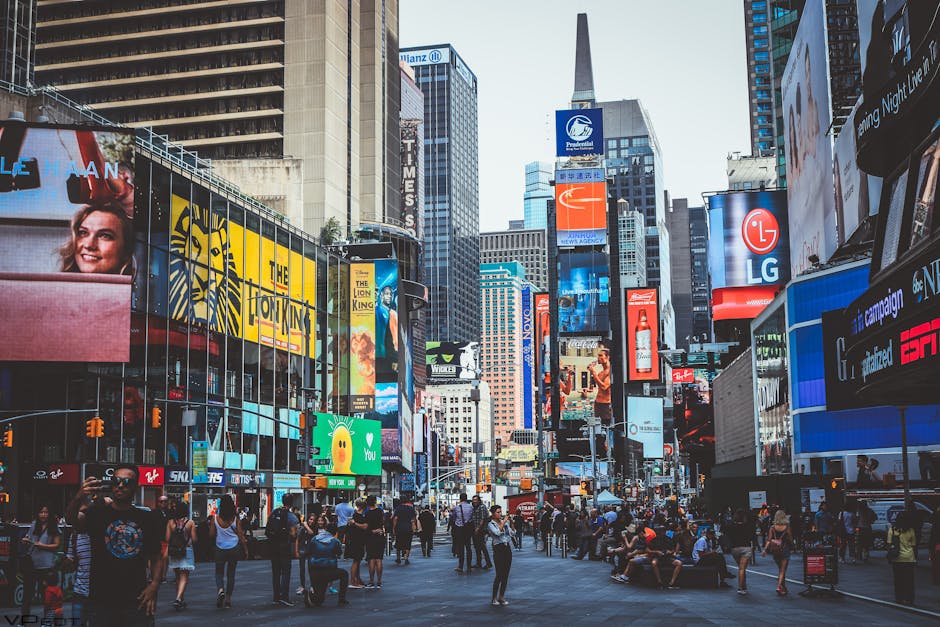
Before becoming a global music sensation, Madonna worked at Dunkin' Donuts in Times Square, though she was fired after one week for squirting jelly filling on customers. She arrived in New York City with only $35 in her pocket, determined to make it in the entertainment industry. Her perseverance and business acumen eventually made her one of the wealthiest self-made women in entertainment history.

These fascinating details about famous individuals remind us that greatness often comes with quirks, challenges, and unexpected dimensions. Understanding these human elements makes historical figures more relatable and their achievements even more remarkable, proving that extraordinary people often have extraordinary stories beyond their public accomplishments.