











1 / 10 Questions
0 Points

What South Korean term describes the multi-story gaming cafes where professional esports players first rose to fame?

Game room

PC bang

Cyber salon

Net café

Points won
0
Correct score
0%

More Questions

More Articles

Did You Know These Drinks Are Older Than Most Civilizations?

Did You Know These Drinks Are Older Than Most Civilizations?

⏱️ 5 min read

Long before written language, grand temples, or organized cities emerged, humans were already crafting beverages that would stand the test of time. While civilizations rose and fell, certain drinks remained constants in human culture, evolving alongside our ancestors and shaping social rituals across millennia. These ancient libations offer a fascinating glimpse into our shared past and demonstrate humanity's enduring creativity in transforming simple ingredients into complex, cherished beverages.

Mead: The Nectar of the Gods

Arguably the oldest alcoholic beverage known to humanity, mead predates both beer and wine by thousands of years. This honey-based drink likely emerged around 20,000 to 40,000 years ago, long before the agricultural revolution. The discovery of mead was probably accidental, occurring when rainwater mixed with wild honey in hollowed tree trunks, creating a naturally fermented beverage that our hunter-gatherer ancestors found both intoxicating and delicious.

Archaeological evidence suggests mead production was widespread across ancient cultures. Pottery vessels from Northern China dating back 9,000 years contain residue indicating a fermented beverage made from honey, rice, and fruit. Ancient Greeks called it "ambrosia" and believed it was the drink of the gods on Mount Olympus. Vikings celebrated with mead in great halls, and it featured prominently in Norse mythology. The term "honeymoon" itself derives from the medieval tradition of newlyweds drinking honey wine for a full moon cycle after their wedding.

Beer: The Beverage That Built Civilizations

While mead may claim greater antiquity, beer can rightfully boast of helping establish civilization itself. The earliest chemical evidence of barley beer dates to approximately 3400 BCE in ancient Mesopotamia, though the beverage likely existed much earlier. Some archaeologists theorize that the desire to cultivate grain for beer production may have motivated the transition from nomadic lifestyles to settled agricultural communities.

The ancient Sumerians were so devoted to beer that they dedicated a goddess, Ninkasi, to its creation. A Sumerian poem from around 1800 BCE, known as the "Hymn to Ninkasi," serves as both a religious text and a beer recipe. Ancient Egyptian workers building the pyramids received beer rations as part of their daily wages, with archaeological evidence suggesting they consumed several liters per day. The beverage was considered safer than water and provided essential calories and nutrients to laborers engaged in monumental construction projects.

The Evolution of Brewing Techniques

Ancient beer bore little resemblance to modern varieties. Early versions were thick, porridge-like beverages consumed through straws to filter out grain particles and sediment. The Babylonians recognized at least 20 different types of beer, creating an early taxonomy of brewing styles that would eventually influence beer culture worldwide. The introduction of hops as a preservative and flavoring agent didn't occur until the Middle Ages, representing a relatively recent innovation in beer's long history.

Wine: The Ancient Art of Fermentation

Wine production stretches back approximately 8,000 years, with the earliest evidence discovered in the Caucasus region of present-day Georgia. Ancient pottery jars called qvevri, still used in Georgian winemaking today, contained residue from wine made around 6000 BCE. This discovery pushes wine's origins back over 1,000 years earlier than previously thought, establishing it as one of humanity's oldest crafted beverages.

The ancient Egyptians perfected viticulture along the Nile Valley, documenting detailed winemaking processes in tomb paintings and hieroglyphics. Egyptian wine was so prized that amphorae were labeled with vintage years, vineyard names, and winemaker identities, creating the world's first wine labels. The Phoenicians spread grape cultivation and winemaking techniques throughout the Mediterranean, while the Romans elevated wine culture to an art form, establishing many practices that remain fundamental to modern winemaking.

Tea: The Ancient Elixir of the East

Tea's history extends approximately 5,000 years, originating in ancient China during the Shang Dynasty. According to legend, Emperor Shen Nong discovered tea in 2737 BCE when leaves from a wild tea tree fell into his boiling water. While the legend's accuracy is debatable, archaeological evidence confirms that tea consumption was established in China by 2000 BCE.

Initially valued for its medicinal properties, tea evolved into a sophisticated cultural practice. The Tang Dynasty (618-907 CE) saw tea become China's national drink, with elaborate preparation methods and ceremonies developing around its consumption. Buddhist monks adopted tea drinking to maintain alertness during meditation, helping spread the practice throughout East Asia. The beverage wouldn't reach Europe until the 16th century, making it a relative newcomer to Western civilization despite its ancient Eastern roots.

The Enduring Legacy of Ancient Beverages

These ancient drinks demonstrate remarkable continuity across human history. Several factors contributed to their longevity:

  • Availability of basic ingredients across diverse geographic regions
  • Preservation qualities that made them safer than untreated water
  • Nutritional value providing calories and essential nutrients
  • Psychoactive properties that facilitated social bonding and religious experiences
  • Cultural significance cementing their roles in rituals and celebrations

Modern brewing, winemaking, and tea preparation still employ fundamental techniques developed thousands of years ago. While technology has refined these processes, the essential principles remain unchanged. Contemporary craft beverage movements often look to ancient methods for inspiration, seeking to recapture flavors and experiences our ancestors knew well.

These drinks connect us to countless generations who gathered around fires, celebrated harvests, mourned losses, and marked life's milestones with the same beverages we enjoy today. In raising a glass of wine, beer, or mead, or sipping tea, we participate in traditions older than the pyramids, more enduring than empires, and more universal than any single civilization. These liquid time capsules remind us that despite technological advances and cultural changes, fundamental human desires for community, celebration, and comfort remain eternal.
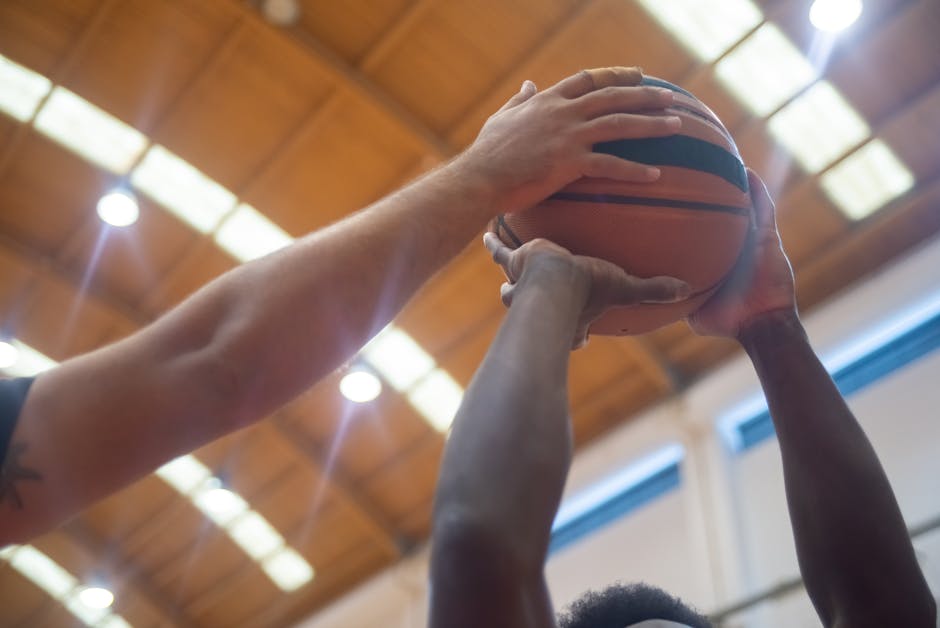
Top 10 Craziest Playoff Moments

Top 10 Craziest Playoff Moments

⏱️ 6 min read

Playoff sports deliver the highest stakes, the most intense pressure, and unforgettable moments that become etched in history. When the season is on the line and athletes push beyond their limits, the impossible becomes possible. From miraculous comebacks to shocking upsets and jaw-dropping individual performances, these moments transcend the games themselves and become part of sports folklore. Here are ten of the most incredible playoff moments that left fans speechless and changed the trajectory of sports history.

The Greatest Playoff Upsets and Comebacks in Sports History

1. The Music City Miracle's Lateral Madness

In the 2000 AFC Wild Card game, the Tennessee Titans found themselves trailing the Buffalo Bills 16-15 with just 16 seconds remaining. On the ensuing kickoff, the Titans executed one of the most controversial and spectacular plays in NFL playoff history. Tight end Frank Wycheck threw a lateral across the field to Kevin Dyson, who raced 75 yards down the sideline for the game-winning touchdown. The play sparked intense debate about whether the lateral was actually an illegal forward pass, but it stood, sending the Titans to the divisional round and leaving Bills fans heartbroken.

2. Boston's Historic 3-0 Deficit Reversal Against New York

The 2004 American League Championship Series produced the greatest comeback in baseball playoff history. The Boston Red Sox faced a 3-0 series deficit against their bitter rivals, the New York Yankees, a situation from which no team had ever recovered in MLB postseason history. Down to their final three outs in Game 4, the Red Sox rallied to tie the game, then won in extra innings. They followed with three more consecutive victories, including two more extra-inning games, to complete the unprecedented comeback. Boston then swept the World Series, ending their 86-year championship drought.

3. The Immaculate Reception's Controversial Deflection

Perhaps the most famous play in NFL history occurred during the 1972 AFC Divisional playoff game between the Pittsburgh Steelers and Oakland Raiders. With 22 seconds left and trailing 7-6, Steelers quarterback Terry Bradshaw threw a desperation pass intended for John "Frenchy" Fuqua. The ball deflected off either Fuqua or Raiders defender Jack Tatum—a point still debated today—and Franco Harris scooped it up just before it hit the ground, racing to the end zone for an improbable touchdown. The controversial catch propelled the Steelers toward their dynasty years.

4. Cleveland's Championship Comeback from 3-1 Down

The 2016 NBA Finals delivered one of basketball's most remarkable comebacks. The Cleveland Cavaliers faced a 3-1 series deficit against the 73-win Golden State Warriors, who had set the NBA regular season wins record. Led by LeBron James's historic performance, including a chase-down block that became iconic, and Kyrie Irving's clutch three-pointer in Game 7, Cleveland became the first team in NBA Finals history to overcome a 3-1 deficit. The victory ended Cleveland's 52-year championship drought across all major sports.

5. The Miracle on Ice's Cold War Victory

During the 1980 Winter Olympics semifinals, a group of amateur and collegiate American hockey players faced the seemingly invincible Soviet Union team, which had won gold in six of the previous seven Olympic tournaments. The Soviets had defeated an NHL All-Star team just one year earlier. Against all odds, Team USA pulled off a stunning 4-3 upset victory at Lake Placid, with announcer Al Michaels delivering his famous call: "Do you believe in miracles? Yes!" The Americans went on to defeat Finland for the gold medal, creating one of sports' most inspiring underdog stories.

6. New England's 28-3 Super Bowl Resurrection

Super Bowl LI in 2017 featured the largest comeback in championship game history. The Atlanta Falcons dominated the New England Patriots through three quarters, building a commanding 28-3 lead midway through the third quarter. What followed seemed impossible: Tom Brady methodically led the Patriots back, scoring 25 unanswered points to force overtime. New England then won the coin toss and drove down the field for a touchdown, completing the 34-28 comeback victory in the first Super Bowl to require overtime.

7. The Shot Heard 'Round the Basketball World

In the 1989 NBA first-round playoff series, Michael Jordan's Chicago Bulls faced elimination against the Cleveland Cavaliers in Game 5. With three seconds remaining and the score tied at 99, Jordan received the inbounds pass at the top of the key. He dribbled to the right, rose up over Craig Ehlo, and released a jumper that swished through as time expired. Jordan's ecstatic celebration, pumping his fist repeatedly, became one of basketball's most iconic images. The shot, simply known as "The Shot," announced Jordan's arrival as a playoff legend.

8. Philadelphia's Fog Bowl Frozen Fumble

The 1988 NFC Divisional playoff game between the Philadelphia Eagles and Chicago Bears became legendary not just for the conditions but for the finish. Dense fog rolled over Chicago's Soldier Field, making visibility nearly impossible for players and fans alike. Late in the fourth quarter, with the Bears driving for a potential game-winning score, Eagles defensive end Clyde Simmons forced a fumble that Philadelphia recovered. The surreal conditions and dramatic turnover created one of the most bizarre playoff victories in NFL history, with many plays invisible to spectators.

9. The Bluegrass Miracle's Improbable Heave

In the 2002 college football matchup between LSU and Kentucky, the Tigers found themselves trailing 30-27 with no timeouts and just 11 seconds remaining, facing 4th-and-10 from their own 9-yard line. Quarterback Marcus Randall launched a desperation heave toward the end zone. The ball deflected off Kentucky defender and into the hands of LSU receiver Devery Henderson, who raced untouched for a 75-yard touchdown as time expired. The improbable 33-30 victory kept LSU's SEC championship hopes alive and remains one of college football's most stunning finishes.

10. Golden State's 3-1 Series Deficit Erasure Against Oklahoma City

Before their own historic collapse in the 2016 NBA Finals, the Golden State Warriors staged a remarkable comeback in the Western Conference Finals. Facing elimination down 3-1 against the Oklahoma City Thunder, the Warriors had to win two road games after dropping the first two in Oakland. Klay Thompson exploded for 41 points in Game 6, hitting eleven three-pointers to force Game 7. Golden State then completed the comeback at home, becoming only the tenth team in NBA history to overcome a 3-1 deficit. The victory sent them to the Finals with a 73-win season, though their ultimate fate would involve another 3-1 series storyline.

The Lasting Impact of These Moments

These ten playoff moments represent more than just victories and defeats—they embody the unpredictable nature of sports and the human capacity for resilience under pressure. They remind us why millions of fans invest emotionally in their teams, why athletes train relentlessly, and why playoff sports command global attention. From miraculous catches and impossible comebacks to clutch shots and controversial calls, these moments continue to be replayed, debated, and celebrated. They define careers, franchise legacies, and sometimes even transcend sports to become part of broader cultural memory. As long as playoff sports exist, athletes will continue creating these magical moments that seem to defy logic and probability, adding new chapters to the ever-growing book of sports history.