










1 / 10 Questions
0 Points
Points won
0
Correct score
0%

More Questions

More Articles

Did You Know These Quick Facts About Famous People?

Did You Know These Quick Facts About Famous People?

⏱️ 5 min read

Throughout history, famous individuals have captivated public imagination not only through their achievements but also through the fascinating details of their personal lives. While most people know the major accomplishments of celebrities, historical figures, and cultural icons, countless surprising facts remain hidden from common knowledge. These lesser-known details often reveal the humanity, quirks, and unexpected talents of people who have shaped our world.

Scientific Minds With Surprising Hobbies

Albert Einstein, widely regarded as one of the greatest physicists of all time, had a passionate relationship with music that many overlook. He began playing violin at age six and continued throughout his life, often stating that if he hadn't become a physicist, he would have been a musician. Einstein claimed that his scientific breakthroughs often came while playing his violin, which he affectionately named "Lina." This connection between music and mathematics demonstrates how creative pursuits can enhance logical thinking.

Marie Curie, the pioneering scientist who discovered radium and polonium, remains the only person to win Nobel Prizes in two different scientific fields: Physics in 1903 and Chemistry in 1911. What many don't realize is that she was also the first woman to become a professor at the University of Paris. Despite her groundbreaking achievements, Curie faced significant gender discrimination throughout her career and was initially denied membership in the French Academy of Sciences simply because she was a woman.

Literary Legends and Their Unusual Habits

Charles Dickens had an peculiar habit that influenced his writing process. He always slept facing north and believed that this alignment with the Earth's magnetic field enhanced his creativity. The famous author would carry a compass to ensure his bed was properly positioned, even when traveling. Additionally, Dickens was known for walking up to 20 miles through London streets at night, observing the city's inhabitants and gathering inspiration for his vivid characters.

Agatha Christie, the best-selling novelist of all time, developed many of her intricate murder mystery plots while taking baths. She would eat apples in the bathtub and let her mind wander through various scenarios of crime and detection. Christie's works have sold over two billion copies worldwide, making her one of the most translated authors in history, with her books available in more than 100 languages.

Presidential Peculiarities

Theodore Roosevelt, the 26th President of the United States, was an voracious reader who could finish an entire book before breakfast and often read two or three books daily. His personal library contained tens of thousands of volumes, and he maintained this reading habit even during his busiest days in the White House. Roosevelt was also known for his "strenuous life" philosophy, regularly engaging in boxing, judo, and horseback riding well into his presidency.

Abraham Lincoln held a patent, making him the only U.S. president to do so. In 1849, he received Patent Number 6469 for a device designed to lift boats over shoals using inflatable bellows. Though the invention was never manufactured, it demonstrates Lincoln's innovative thinking beyond his political acumen. He also kept important documents tucked inside his iconic stovepipe hat, using it as a portable filing system.

Artistic Talents Beyond the Canvas

Leonardo da Vinci wrote all his personal notes in mirror writing, from right to left. While some historians believe this was to keep his ideas secret, others suggest he did this naturally as a left-handed person to avoid smudging the ink. Beyond his artistic masterpieces, da Vinci was an accomplished musician and reportedly had a beautiful singing voice. He could play the lyre skillfully and often improvised songs at social gatherings.

Pablo Picasso's full name contained 23 words, honoring various saints and relatives: Pablo Diego José Francisco de Paula Juan Nepomuceno María de los Remedios Cipriano de la Santísima Trinidad Martyr Patricio Clito Ruíz y Picasso. The prolific artist created approximately 50,000 artworks during his lifetime, including paintings, drawings, sculptures, and ceramics. His first word was reportedly "piz," short for lápiz, the Spanish word for pencil.

Musical Prodigies and Their Hidden Talents

Wolfgang Amadeus Mozart had an extraordinary ability called perfect pitch and could identify any musical note without a reference tone. However, he also possessed a mischievous personality and enjoyed billiards, dancing, and keeping unusual pets. Mozart owned a pet starling that could sing part of his Piano Concerto in G Major, and when the bird died, he held an elaborate funeral procession and wrote a commemorative poem.

Ludwig van Beethoven continued composing masterpieces even after becoming completely deaf. He would cut the legs off his piano and place it on the floor, then lie down while playing so he could feel the vibrations through the floorboards. This tactile approach to music allowed him to create some of his greatest works, including his Ninth Symphony, which he composed while entirely unable to hear.

Modern Icons With Unexpected Backgrounds

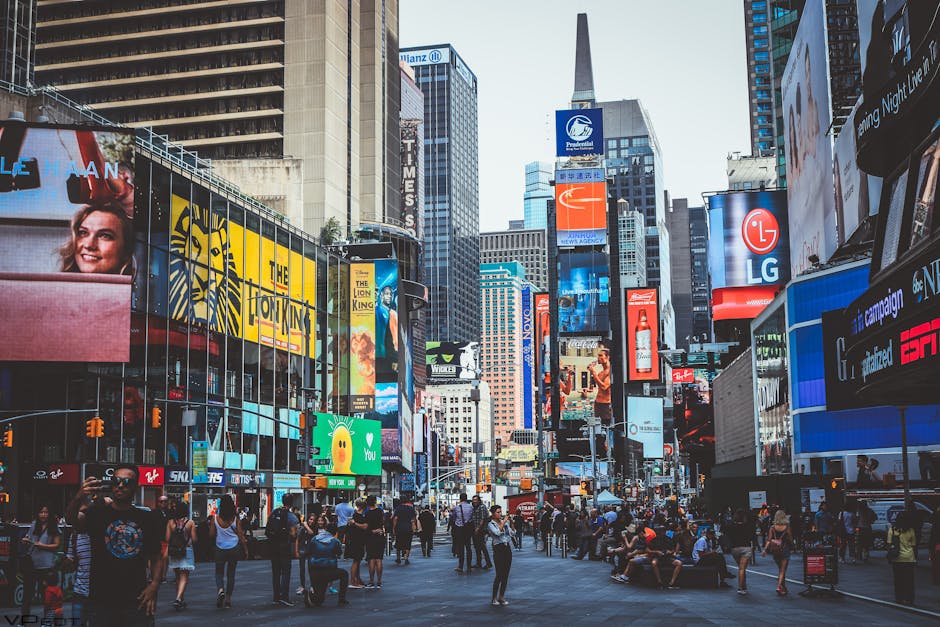
Before becoming a global music sensation, Madonna worked at Dunkin' Donuts in Times Square, though she was fired after one week for squirting jelly filling on customers. She arrived in New York City with only $35 in her pocket, determined to make it in the entertainment industry. Her perseverance and business acumen eventually made her one of the wealthiest self-made women in entertainment history.

These fascinating details about famous individuals remind us that greatness often comes with quirks, challenges, and unexpected dimensions. Understanding these human elements makes historical figures more relatable and their achievements even more remarkable, proving that extraordinary people often have extraordinary stories beyond their public accomplishments.
Top 10 Fun Facts About Famous Landmarks

Top 10 Fun Facts About Famous Landmarks

⏱️ 8 min read

The world's most iconic landmarks draw millions of visitors each year, standing as testaments to human ingenuity, artistic vision, and historical significance. While many people recognize these famous structures from photographs and films, there are countless fascinating stories and surprising details hidden within their histories. From construction mishaps to secret chambers, these architectural marvels hold secrets that even frequent visitors might not know. Exploring these lesser-known facts reveals a deeper appreciation for the monuments that have shaped our cultural landscape and continue to inspire wonder across generations.

Remarkable Secrets Behind the World's Most Iconic Structures

1. The Eiffel Tower's Seasonal Height Changes

The Eiffel Tower, Paris's most recognizable symbol, actually grows taller during summer months. The iron structure can expand up to 6 inches when temperatures rise, causing the metal to expand according to basic principles of thermal expansion. Constructed from over 18,000 individual iron pieces joined by 2.5 million rivets, the tower was initially criticized by Parisians who considered it an eyesore. Today, it serves not only as a tourist attraction but also as a functional broadcast tower. The structure requires 60 tons of paint every seven years to protect it from rust, and painters must apply three different shades to compensate for atmospheric perspective, making it appear uniformly colored from ground level.

2. The Leaning Tower of Pisa's Wartime Salvation

The famous lean that makes this Italian bell tower so distinctive nearly caused its destruction during World War II. Allied forces were ordered to destroy all potentially strategic structures in the area, but when the American officer responsible for the decision saw the tower's beauty, he decided to spare it. The tower began leaning during construction in the 12th century due to soft ground that couldn't properly support its weight. Interestingly, the structure took nearly 200 years to complete because of various wars and political issues, and construction breaks actually helped it survive by allowing the soil to settle. Recent stabilization efforts have reduced its tilt by about 17 inches, ensuring it will remain standing for at least another 200 years.

3. The Great Wall of China's Myth-Shattering Reality

Contrary to popular belief, the Great Wall of China is not visible from space with the naked eye, as confirmed by numerous astronauts. This myth has persisted for decades despite photographic evidence proving otherwise. The wall stretches over 13,000 miles when all of its branches and sections are included, making it far longer than commonly believed. Construction spanned approximately 2,000 years across multiple dynasties, with different sections built using various materials including stone, brick, tamped earth, and wood. A sticky rice mortar was used in many sections, creating such strong bonds that the walls have survived centuries of weathering. Archaeological studies have revealed that workers' remains were sometimes incorporated into the wall itself during construction.

4. The Statue of Liberty's Original Copper Color

The Statue of Liberty wasn't always the distinctive green color visitors see today. When first unveiled in 1886, Lady Liberty gleamed with the reddish-brown hue of shiny new copper. The green patina developed naturally over approximately 30 years as the copper oxidized, and officials actually considered removing it before deciding the coating protected the underlying metal. The statue's full name is "Liberty Enlightening the World," and it was a gift from France designed by sculptor Frédéric Auguste Bartholdi. The internal iron framework was designed by Gustave Eiffel, who later built Paris's famous tower. The statue's torch has been closed to visitors since 1916 after damage from an explosion during World War I, and only the original designers and restoration workers have accessed it since.

5. The Taj Mahal's Color-Changing Marble

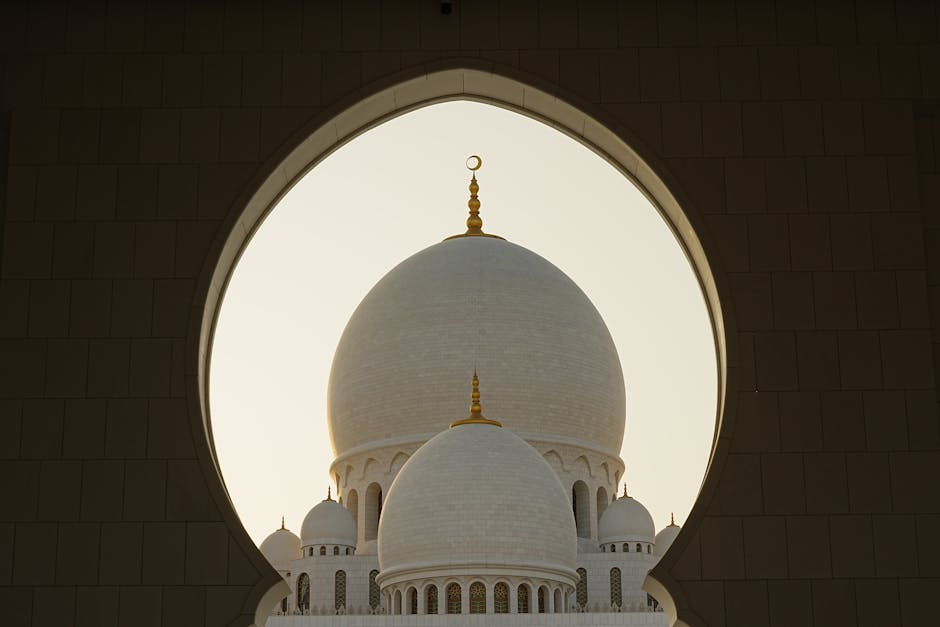
The Taj Mahal appears to change colors throughout the day, displaying pinkish hues in the morning, milky white in the afternoon, and golden tones in the evening moonlight. This phenomenon occurs because the white marble is semi-translucent, reflecting different wavelengths of light at various times. Emperor Shah Jahan built this mausoleum in memory of his wife Mumtaz Mahal, who died during childbirth. Construction required 22 years and employed over 20,000 workers and 1,000 elephants to transport materials. The central dome stands 240 feet high, and the structure incorporates architectural elements from Islamic, Persian, and Indian design traditions. Four minarets were intentionally built leaning slightly outward so they would fall away from the main structure in case of an earthquake.

6. Big Ben's Name Confusion

Most people incorrectly refer to the entire clock tower as Big Ben, but this nickname actually refers only to the great bell inside the tower. The tower itself was renamed Elizabeth Tower in 2012 to honor Queen Elizabeth II's Diamond Jubilee. The bell weighs approximately 13.5 tons and has chimed almost continuously since 1859, with rare exceptions for maintenance and repairs. The clock mechanism is remarkably accurate, and when adjustments are needed, technicians add or remove old penny coins on the pendulum to speed up or slow down the time. The tower leans slightly northwest due to ground conditions and nearby construction, though not nearly as dramatically as its Italian counterpart in Pisa.

7. The Colosseum's Retractable Roof System

Ancient Rome's Colosseum featured a sophisticated retractable awning system called the "velarium" that protected spectators from sun and rain. This massive fabric covering required a team of sailors from the Roman navy to operate the complex rope and pulley system that extended and retracted the awning. The arena could hold between 50,000 and 80,000 spectators and featured 80 entrance arches that allowed efficient crowd management. The structure could even be flooded for mock naval battles during its early years before underground chambers were added. Two-thirds of the original building has been destroyed by earthquakes and stone thieves who recycled materials for other construction projects, yet it remains one of the world's most recognizable ancient structures.

8. Machu Picchu's Earthquake-Resistant Design

The 15th-century Incan citadel of Machu Picchu was built using a construction technique called "ashlar" that requires stones to be cut so precisely that mortar isn't needed. During earthquakes, these stones "dance" or move slightly before falling back into place, allowing the structures to survive seismic activity that would destroy conventional buildings. The site sits at 7,970 feet above sea level in the Peruvian Andes and remained hidden from the outside world until 1911 when American historian Hiram Bingham brought it to international attention. The Incas built the complex without using wheels, iron tools, or draft animals, transporting massive stones up the mountainside through human power alone. The site contains approximately 200 structures including temples, residences, storage facilities, and agricultural terraces that demonstrate advanced engineering knowledge.

9. The Sydney Opera House's Unexpected Design Origin

The distinctive sail-like shells of the Sydney Opera House were inspired by a surprisingly mundane object: an orange. Danish architect Jørn Utzon reportedly discovered the solution to the complex geometric curves while peeling an orange, realizing all the shells could be created as sections of a single sphere. Construction took 14 years instead of the projected four years, and costs exceeded the original budget by over 1,400 percent. The building contains over 1 million roof tiles that were manufactured in Sweden, and despite appearances, the structure functions as a multi-venue performing arts center rather than a single opera house. Utzon resigned before completion after disputes with the government and never returned to see his finished masterpiece, though it's now considered one of the 20th century's most distinctive architectural achievements.

10. Stonehenge's Mysterious Acoustic Properties

Recent studies have revealed that Stonehenge possesses remarkable acoustic properties, with the stone arrangement creating unique sound effects that may have had ritual significance. The monument's bluestones, transported from Wales approximately 150 miles away, have natural ringing qualities when struck. Researchers believe the prehistoric structure may have functioned as an ancient healing temple, drawing sick pilgrims who associated the stones with curative powers. The massive sarsen stones, some weighing up to 25 tons, were likely transported from Marlborough Downs about 20 miles north. Archaeological evidence suggests construction occurred in multiple phases over approximately 1,500 years, beginning around 3000 BCE. Modern laser scanning has revealed that the stones were shaped with remarkable precision despite being worked with primitive tools, and astronomical alignments suggest the monument served as a sophisticated calendar marking solstices and equinoxes.

Conclusion

These famous landmarks represent far more than picturesque tourist destinations—they embody remarkable human achievements, innovative engineering solutions, and fascinating historical narratives. From the Eiffel Tower's seasonal transformations to Stonehenge's acoustic mysteries, each structure holds secrets that deepen our understanding of human creativity and determination across cultures and centuries. These hidden facts remind us that even the most photographed monuments in the world continue to surprise and educate those willing to look beyond the surface. Whether visiting these landmarks in person or appreciating them from afar, knowing these extraordinary details enriches our connection to these timeless symbols of human civilization.