











1 / 10 Questions
0 Points

Which board game was invented in a basement?

Monopoly

Scrabble

Risk

Clue

Points won
0
Correct score
0%

More Questions

More Articles

Top 10 Fast Facts About Communication

Top 10 Fast Facts About Communication

⏱️ 5 min read

Communication shapes every aspect of human interaction, from personal relationships to global business operations. Understanding how we exchange information can dramatically improve our effectiveness in both professional and personal settings. The following facts reveal fascinating insights about how communication works, common misconceptions, and the science behind successful information exchange.

Essential Facts About Human Communication

1. Nonverbal Communication Dominates Our Interactions

Research consistently shows that nonverbal cues account for approximately 55% of communication effectiveness, while tone of voice contributes 38%, and the actual words spoken make up only 7%. This breakdown, stemming from Albert Mehrabian's research, demonstrates that body language, facial expressions, posture, and gestures carry more weight than verbal content when messages conflict. Understanding this principle helps explain why face-to-face meetings often prove more effective than written communication for complex or sensitive topics.

2. The Average Attention Span Has Dramatically Decreased

Modern humans have an average attention span of approximately 8 seconds, down from 12 seconds in the year 2000. This decline, often attributed to digital technology and information overload, has significant implications for effective communication. Successful communicators must now capture attention quickly, deliver key messages efficiently, and use engaging formats to maintain interest. This shift has transformed everything from advertising strategies to educational methods and workplace presentations.

3. Active Listening Requires Conscious Effort

Most people listen at only 25% efficiency, retaining merely a quarter of what they hear. This occurs because the human brain can process information much faster than people speak—the average person thinks at 1,000 to 3,000 words per minute while speaking occurs at 125 to 250 words per minute. This gap often leads to mental wandering and reduced comprehension. Active listening techniques, including maintaining eye contact, asking clarifying questions, and providing feedback, can significantly improve retention and understanding.

4. Written Communication Lacks Critical Context

Email and text messages eliminate the vocal tone, facial expressions, and body language that provide essential context in spoken communication. Studies indicate that written communication is frequently misinterpreted, with recipients misunderstanding the tone of emails up to 50% of the time. This explains why workplace conflicts often escalate through email exchanges that could be quickly resolved through brief conversations. Using clear language, avoiding sarcasm, and including context become critical in written formats.

5. Cultural Differences Profoundly Impact Communication Styles

Communication norms vary dramatically across cultures, affecting everything from appropriate eye contact to acceptable silence duration. High-context cultures like Japan and China rely heavily on implicit understanding and shared background, while low-context cultures such as the United States and Germany prefer explicit, direct communication. Misunderstanding these differences can lead to significant miscommunication in international business, diplomacy, and multicultural environments. Successful global communicators must develop cultural intelligence and adapt their approach accordingly.

6. The Brain Processes Visual Information Remarkably Fast

The human brain processes visual information 60,000 times faster than text, and 90% of information transmitted to the brain is visual. This explains why infographics, charts, and visual presentations prove more memorable and engaging than text-heavy documents. Visual aids can improve learning and retention by up to 400%, making them invaluable tools for effective communication. Organizations that leverage visual communication strategies typically see improved comprehension, faster decision-making, and better information retention among their audiences.

7. Communication Barriers Cost Businesses Billions Annually

Poor communication costs large companies an average of $62.4 million annually, while smaller organizations lose approximately $420,000 per year. These losses stem from reduced productivity, employee turnover, missed deadlines, and failed projects. Communication breakdowns contribute to 70% of corporate errors, affecting everything from customer satisfaction to employee morale. Investing in communication training, establishing clear protocols, and fostering open dialogue can significantly reduce these costs and improve organizational effectiveness.

8. Emotional Intelligence Determines Communication Success

Research demonstrates that emotional intelligence—the ability to recognize, understand, and manage emotions—accounts for 58% of job performance across all industries. This capability directly impacts communication effectiveness, as emotionally intelligent individuals better navigate difficult conversations, read audience reactions, and adjust their approach accordingly. People with high emotional intelligence excel at empathy, conflict resolution, and building rapport, making them significantly more effective communicators in both personal and professional contexts.

9. Digital Communication Creates Permanent Records

Unlike verbal conversations that fade from memory, digital communications create permanent, searchable records that can be retrieved, forwarded, and used as evidence indefinitely. This permanence fundamentally changes communication dynamics, requiring increased thoughtfulness before sending messages. What seems appropriate in the moment can have long-term consequences when preserved digitally. Professional communicators must consider not only their immediate audience but also potential future readers, adopting a mindset of "write as if it will be published" for all digital correspondence.

10. Feedback Loops Enhance Communication Effectiveness

Communication becomes significantly more effective when it includes mechanisms for feedback and confirmation. The sender-message-receiver model becomes complete only when receivers can respond, ask questions, and confirm understanding. Organizations that establish strong feedback cultures report 14.9% lower turnover rates and significantly higher productivity. Effective feedback involves both giving and receiving information constructively, creating iterative improvements in understanding. Regular check-ins, open-door policies, and structured feedback sessions all contribute to more robust communication systems.

Conclusion

These ten facts illuminate the complexity and importance of effective communication in modern life. From the dominance of nonverbal cues to the challenges of digital permanence, understanding these principles enables individuals and organizations to communicate more successfully. By recognizing that communication extends far beyond spoken words, acknowledging cultural differences, leveraging visual information, and establishing feedback mechanisms, anyone can dramatically improve their communication effectiveness. As technology continues evolving and global interactions increase, mastering these fundamental communication concepts becomes increasingly vital for personal and professional success.
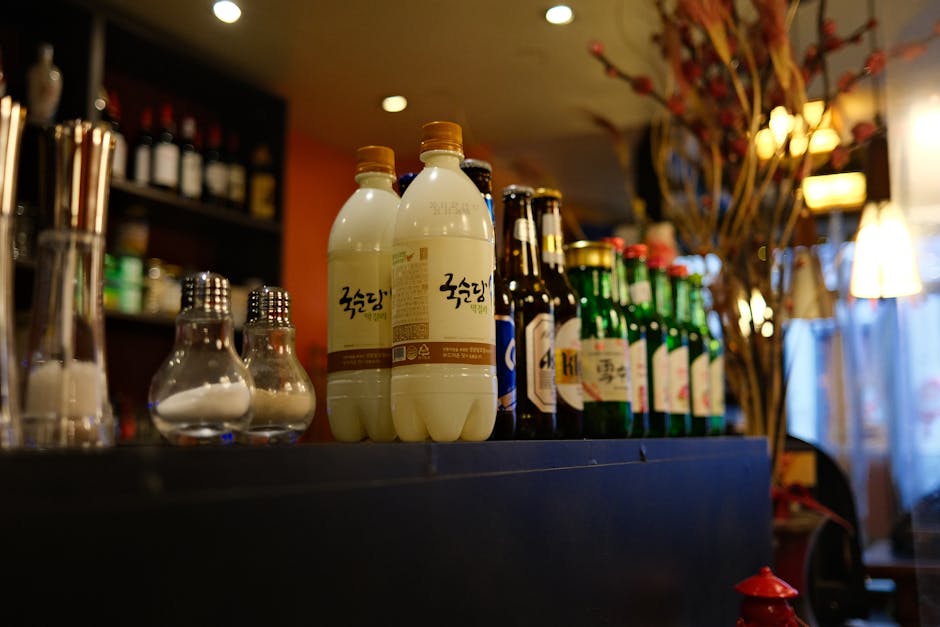
Top 10 Most Popular Beverages on Earth

Top 10 Most Popular Beverages on Earth

⏱️ 6 min read

From the moment humans discovered that liquids could be transformed into flavorful drinks, beverages have played a central role in cultures worldwide. Today, billions of people across the globe start their mornings, accompany their meals, and celebrate special occasions with their favorite drinks. While regional preferences vary significantly, certain beverages have achieved universal popularity, transcending borders and becoming integral to daily life on every continent. Here's a comprehensive look at the drinks that have captured the world's thirst.

The World's Most Consumed Beverages

1. Water: The Essential Life Source

While it might seem obvious, water remains humanity's most consumed beverage by an overwhelming margin. The human body requires approximately 2-3 liters of water daily to function properly, making it an absolute necessity rather than a luxury. Despite the proliferation of flavored and packaged beverages, plain water accounts for the vast majority of liquid consumption globally. The World Health Organization estimates that adequate hydration through water consumption is essential for regulating body temperature, transporting nutrients, and maintaining organ function. In recent decades, bottled water has become a multi-billion dollar industry, though tap water remains the primary source for most of the world's population.

2. Tea: The Ancient Beverage of Billions

Tea holds the distinction of being the second most consumed beverage worldwide, with an estimated 3 billion cups drunk daily. Originating in ancient China over 5,000 years ago, tea has evolved into countless varieties including black, green, white, oolong, and herbal infusions. China and India remain the largest consumers and producers, but tea culture has spread to virtually every corner of the globe. The United Kingdom's afternoon tea tradition, Morocco's mint tea ceremonies, and Japan's elaborate tea rituals demonstrate how this beverage has been woven into diverse cultural fabrics. Beyond its social significance, tea offers numerous health benefits, containing antioxidants and potentially reducing the risk of cardiovascular disease.

3. Coffee: The Global Morning Ritual

Coffee has become synonymous with productivity and morning routines across much of the world. With over 2 billion cups consumed daily, coffee ranks as one of the most traded commodities globally. Originally discovered in Ethiopia and cultivated in the Arabian Peninsula, coffee spread throughout Europe in the 17th century and subsequently to the Americas. Today, Brazil, Vietnam, and Colombia lead global production. The beverage's popularity stems from its caffeine content, which provides mental alertness and energy, as well as its complex flavor profile that varies based on bean origin, roasting method, and preparation style. From espresso to cold brew, coffee culture continues to evolve and expand.

4. Beer: The World's Oldest Alcoholic Drink

As one of humanity's oldest prepared beverages, beer dates back approximately 7,000 years to ancient Mesopotamia and Egypt. Today, it ranks as the most popular alcoholic beverage worldwide, with annual global consumption exceeding 190 billion liters. Beer's universal appeal crosses economic and cultural boundaries, from mass-produced lagers to craft breweries producing specialized ales, stouts, and IPAs. China leads in total consumption volume, while the Czech Republic maintains the highest per capita consumption. Beer plays significant roles in social gatherings, sporting events, and cultural festivals worldwide, while also supporting substantial agricultural and hospitality industries.

5. Soft Drinks: The Carbonated Phenomenon

Carbonated soft drinks represent a relatively modern addition to the beverage landscape, yet they've achieved remarkable global penetration since their mass production began in the late 19th century. Led by globally recognized brands, the soft drink industry generates hundreds of billions of dollars annually. These sweetened, carbonated beverages have become particularly popular in the Americas, Middle East, and parts of Asia. While health concerns regarding sugar content have led to declining consumption in some developed nations, overall global consumption remains substantial. The industry has responded with sugar-free alternatives and diversified product lines to maintain market share.

6. Milk: The Nutritional Staple

Milk and dairy beverages have been fundamental to human nutrition for thousands of years, ever since livestock domestication began. Consumed in various forms—fresh, fermented, or processed—milk provides essential nutrients including calcium, protein, and vitamins. India leads global milk consumption, followed by the United States and China. Cultural preferences vary significantly, with fresh milk dominating Western markets while fermented products like kefir, lassi, and ayran prevail in other regions. The rise of plant-based alternatives such as soy, almond, and oat milk has recently expanded the category, addressing lactose intolerance and dietary preferences.

7. Orange Juice: The Breakfast Essential

Orange juice has established itself as the world's most popular fruit juice, with millions consuming it as a breakfast staple. Brazil produces approximately 70% of the world's orange juice, much of it exported as frozen concentrate. The beverage's appeal lies in its vitamin C content, natural sweetness, and refreshing taste. Marketing campaigns throughout the 20th century successfully positioned orange juice as essential to a healthy breakfast, particularly in North America and Europe. However, recent health discussions about natural sugar content have impacted consumption patterns, leading some consumers to opt for whole fruit instead.

8. Wine: The Sophisticated Social Drink

Wine production and consumption span over 8,000 years of human history, making it one of civilization's most enduring beverages. Contemporary global wine consumption exceeds 24 billion liters annually, with France, Italy, and the United States leading in both production and consumption. Wine occupies a unique cultural position, associated with fine dining, celebrations, and social sophistication. The beverage's complexity—influenced by grape variety, terroir, and production methods—has created an entire industry of education, tourism, and criticism. Health research suggesting moderate wine consumption may offer cardiovascular benefits has further enhanced its appeal.

9. Energy Drinks: The Modern Performance Enhancer

Energy drinks represent one of the fastest-growing beverage categories, having exploded from niche products to mainstream consumption over the past three decades. These caffeinated, often highly sweetened beverages target consumers seeking mental alertness, physical performance enhancement, and fatigue reduction. The global energy drink market now exceeds $80 billion annually, with particularly strong popularity among young adults and athletes. Major brands have become synonymous with extreme sports and active lifestyles. However, health concerns regarding high caffeine and sugar content, particularly among adolescent consumers, have prompted regulatory scrutiny in various countries.

10. Bottled Water: The Packaged Purity

While water itself is the most consumed beverage, bottled water deserves separate recognition as a distinct commercial category that has transformed drinking habits globally. The bottled water industry has grown exponentially since the 1990s, now representing a market worth over $200 billion. Consumers cite convenience, perceived purity, and taste preferences as primary purchasing motivations. However, environmental concerns regarding plastic waste have generated significant backlash, prompting industry shifts toward sustainable packaging and increased recycling initiatives. Despite controversies, bottled water consumption continues growing, particularly in regions with questionable tap water quality.

The Universal Language of Beverages

These ten beverages collectively represent humanity's diverse tastes, cultural traditions, and evolving health consciousness. From water's fundamental necessity to coffee's energizing ritual, from beer's ancient social role to energy drinks' modern appeal, each beverage tells a story of human innovation and preference. Regional variations persist—tea dominates Asia, coffee rules in Europe and the Americas, while specific local preferences maintain strong footholds. Nevertheless, globalization has made most of these beverages accessible worldwide, creating shared experiences across continents. As health awareness grows and sustainability concerns intensify, the beverage industry continues adapting, developing new products and reformulating classics to meet changing consumer demands while maintaining the essential role these drinks play in daily life.