










1 / 10 Questions
0 Points

Which animal can live for over 400 years?

Giant tortoise

Greenland shark

Bowhead whale

Koi fish

Points won
0
Correct score
0%

More Questions

More Articles

Did You Know These Objects Are Older Than You Think?

Did You Know These Objects Are Older Than You Think?

⏱️ 5 min read

Throughout history, human ingenuity has produced countless inventions that have shaped civilization. While many people assume that modern conveniences are recent developments, the reality often surprises. Numerous everyday objects and technologies have origins stretching back centuries or even millennia, challenging common perceptions about when various innovations first appeared. Understanding the true age of these items provides valuable insight into human creativity and the slow evolution of technology that continues to influence contemporary life.

Ancient Hygiene and Personal Care Items

Personal hygiene products that seem thoroughly modern actually have remarkably ancient roots. The toothbrush, for instance, dates back to approximately 3000 BCE in ancient civilizations. Early Babylonians and Egyptians created tooth-cleaning implements by fraying the end of a twig, essentially creating a primitive brush. The Chinese developed a more recognizable version around 1600 CE, using hog bristles attached to bamboo or bone handles. This design closely resembles modern toothbrushes and remained largely unchanged for centuries.

Soap production has an even longer history, with evidence of soap-like materials dating back to ancient Babylon around 2800 BCE. Archaeological excavations have uncovered clay cylinders containing substances resembling soap, along with inscriptions describing the process of mixing fats with ashes. The ancient Egyptians combined animal and vegetable oils with alkaline salts to create cleansing agents, while the Romans elevated soap-making to an industrial scale.

Vending Machines From Antiquity

The concept of automated retail might seem like a product of the industrial age, but vending machines actually originated in ancient times. The Greek engineer and mathematician Hero of Alexandria invented the first known vending machine around 215 BCE. This remarkable device dispensed holy water in Egyptian temples. When a coin was inserted into a slot, its weight would pull down a lever that opened a valve, allowing a measured amount of water to flow out. The mechanism automatically stopped when the coin fell off the lever, demonstrating sophisticated understanding of basic mechanics and automated systems thousands of years before the modern era.

Surprisingly Old Plumbing Systems

Indoor plumbing systems are not merely Victorian innovations. The Indus Valley Civilization, flourishing around 2500 BCE in present-day Pakistan and northwest India, engineered sophisticated urban drainage and water supply systems. The cities of Mohenjo-daro and Harappa featured elaborate bathrooms, covered drains, and water-flushing toilets connected to municipal sewage systems. These ancient engineers understood hydraulics and sanitation principles that would not reappear in Western civilization until thousands of years later.

The ancient Minoans on Crete developed similarly advanced plumbing systems around 1700 BCE, including terra-cotta pipes for water distribution and stone sewers for waste removal. The Palace of Knossos contained flush toilets with wooden seats and sophisticated water management systems that included both hot and cold running water, demonstrating technological capabilities that rival modern standards.

Central Heating Through the Ages

Central heating systems existed long before modern thermostats and furnaces. The Romans perfected the hypocaust system around the 1st century BCE, creating an ingenious method of heating buildings from below. This system involved raising floors on pillars, creating a space underneath where hot air from a furnace could circulate. The heated air would warm the floors above and travel through spaces in the walls before exiting through flues. Wealthy Roman homes, public baths, and important buildings throughout the empire utilized this effective heating method, providing comfortable indoor temperatures during cold weather.

Ancient Refrigeration Techniques

Preserving food through cooling is not a modern concept invented with electric refrigerators. Ancient Persians constructed yakhchāls—dome-shaped structures designed for ice storage—as early as 400 BCE. These architectural marvels could store ice harvested during winter months or created through cooling water overnight in shallow pools. The thick, heat-resistant walls made from a special mortar called sārōj, combined with underground storage chambers and wind catchers, kept ice frozen even during scorching summers. Some yakhchāls could preserve ice for months, providing ancient communities with refrigeration capabilities long before electricity.

The Surprisingly Old Flushing Toilet

While Thomas Crapper often receives credit for inventing the modern toilet, flushing toilets existed much earlier. Sir John Harington, godson to Queen Elizabeth I, invented a flushing water closet in 1596, complete with a cistern and a valve system. Though his invention was functional and installed in the queen's palace, it failed to gain widespread adoption. The first patent for a flushing toilet was issued to Alexander Cummings in 1775, and improvements continued throughout the following century. However, as mentioned earlier, basic flushing toilet concepts existed in ancient civilizations thousands of years before these Renaissance and Enlightenment-era inventors.

Timekeeping Devices of Antiquity

Mechanical clocks might appear to be medieval inventions, but complex timekeeping devices existed much earlier. Water clocks, or clepsydras, were used in ancient Egypt around 1500 BCE, measuring time through regulated water flow from one container to another. The ancient Greeks and Chinese developed increasingly sophisticated versions, with the Greek inventor Ctesibius creating elaborate water clocks around 250 BCE that included gears, moving figurines, and alarm mechanisms. The Antikythera mechanism, discovered in a shipwreck and dating to approximately 100 BCE, was an extraordinarily complex analog computer used to predict astronomical positions and eclipses, demonstrating mechanical sophistication not seen again until the 14th century.

These examples demonstrate that human innovation has ancient roots, with many fundamental technologies developing far earlier than commonly believed. Recognizing the true age of everyday objects provides perspective on technological progress and reminds us that innovation builds upon foundations laid by ingenious minds across millennia.
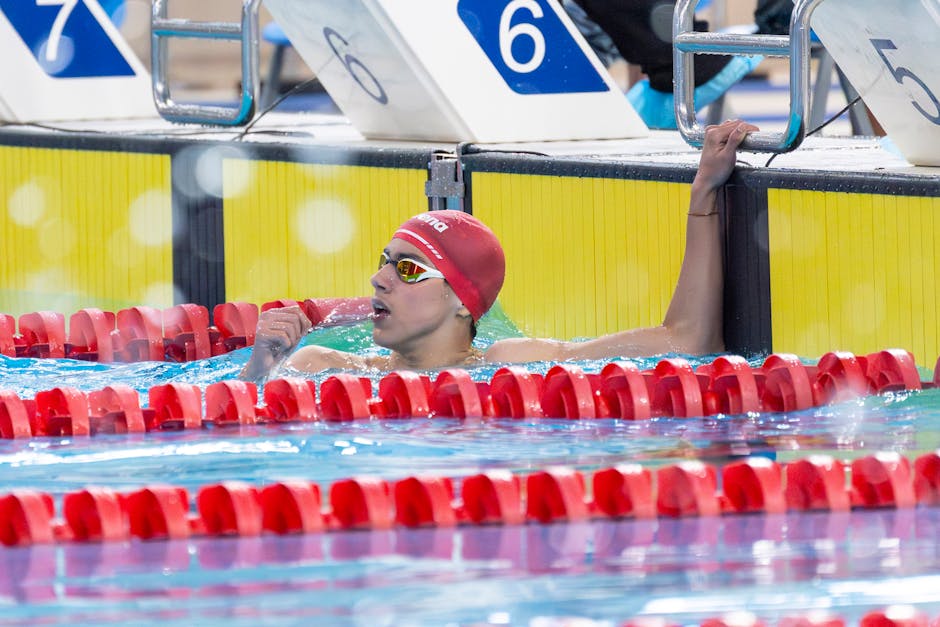
Top 10 Most Dramatic Finishes Ever Recorded

Top 10 Most Dramatic Finishes Ever Recorded

⏱️ 7 min read

Sports history is filled with moments that defy belief, where athletes push beyond human limits and games are decided in the final seconds, steps, or swings. These dramatic finishes create legends, break hearts, and remind us why we watch. From last-second shots to photo finishes, these ten moments represent the most thrilling conclusions ever witnessed in competitive sports.

The Greatest Dramatic Finishes in Sports History

1. The Miracle on Ice - 1980 Winter Olympics

The United States hockey team's victory over the Soviet Union remains one of the most stunning upsets in sports history. Trailing 3-2 in the final period, Mike Eruzione scored the game-winning goal with exactly ten minutes remaining. The young American team, composed primarily of college players, held off the heavily favored Soviets—who had won nearly every international tournament for two decades—to secure a 4-3 victory. The final seconds saw goaltender Jim Craig making desperate saves while the crowd counted down, creating an atmosphere of unbearable tension. This wasn't just a hockey game; it occurred during the Cold War, transforming an athletic contest into a moment of national pride that transcended sport itself.

2. The Immaculate Reception - 1972 NFL Playoffs

With 22 seconds remaining and the Pittsburgh Steelers trailing the Oakland Raiders 7-6, quarterback Terry Bradshaw launched a desperate fourth-down pass. The ball deflected off either Raiders safety Jack Tatum or Steelers receiver Frenchy Fuqua—a controversy that persists today—and tumbled backward through the air. Running back Franco Harris scooped the ball just before it hit the ground and raced 60 yards for the winning touchdown. The play's legitimacy was questioned because rules at the time prohibited consecutive touches by offensive players, but after a lengthy review, officials upheld the score. This single play launched the Steelers dynasty and remains the most debated finish in NFL history.

3. Derek Redmond's 400-Meter Semifinal - 1992 Barcelona Olympics

While not a traditional competitive finish, Derek Redmond's determination created one of sport's most dramatic conclusions. Halfway through his 400-meter semifinal, the British runner's hamstring tore audibly. Rather than accept defeat, Redmond hobbled forward in excruciating pain, determined to complete the race. His father broke through security, reaching the track to support his son physically and emotionally. Together, they crossed the finish line as 65,000 spectators rose in a standing ovation. Though Redmond didn't win a medal, his refusal to quit epitomized the Olympic spirit and demonstrated that dramatic finishes aren't always about victory—sometimes they're about the courage to finish at all.

4. Christian Laettner's Buzzer-Beater - 1992 NCAA Tournament

The Duke-Kentucky Elite Eight matchup went to overtime, with Kentucky leading 103-102 and 2.1 seconds remaining. Duke's Grant Hill threw a perfect 75-foot pass to Christian Laettner at the free-throw line. Laettner caught the ball, faked right, dribbled once, spun left, and released a jumper as time expired. The shot swished through, giving Duke a 104-103 victory. What made this finish extraordinary was Laettner's perfection throughout: he shot 10-for-10 from the field and 10-for-10 from the free-throw line, scoring 31 points in one of college basketball's greatest individual performances. The precision required in those final seconds—the pass, catch, dribble, and shot—remains unmatched in tournament history.

5. The Hand of God and Goal of the Century - 1986 FIFA World Cup

Argentina's quarterfinal match against England produced two of soccer's most famous moments within five minutes. Diego Maradona's controversial "Hand of God" goal put Argentina ahead 1-0, but his second goal four minutes later showcased perhaps the greatest individual effort in World Cup history. Maradona collected the ball at midfield, then dribbled past five English defenders over 60 yards before slotting the ball past goalkeeper Peter Shilton. The 2-1 victory propelled Argentina to their second World Cup title, and while the match's dramatic nature stemmed from both goals, Maradona's second demonstrated how one player could single-handedly produce a finish for the ages.

6. The Shot Heard 'Round the World - 1951 National League Playoff

The New York Giants trailed the Brooklyn Dodgers 4-1 entering the bottom of the ninth inning in the decisive playoff game. After the Giants scored once and loaded the bases, Bobby Thomson stepped to the plate. On Ralph Branca's second pitch, Thomson connected, driving the ball into the left-field stands for a three-run home run. Announcer Russ Hodges' frantic call—"The Giants win the pennant! The Giants win the pennant!"—became as legendary as the hit itself. This finish transformed baseball's narrative structure, proving that no deficit was insurmountable until the final out, a lesson that would resonate through decades of dramatic baseball finishes.

7. Secretariat's 31-Length Belmont Stakes Victory - 1973

While many dramatic finishes involve close margins, Secretariat's Triple Crown-clinching performance was dramatic through sheer dominance. The great thoroughbred didn't just win the Belmont Stakes—he destroyed the field by 31 lengths, a margin that remains incomprehensible in elite horse racing. As jockey Ron Turcotte looked back multiple times, seeing no competitors even in view, Secretariat continued accelerating, running the mile-and-a-half in 2:24, a track record that still stands. The drama came from witnessing athletic perfection, watching an animal transcend its species' perceived limitations. Television cameras struggled to keep both Secretariat and the second-place horse in frame, illustrating the historic nature of this finish.

8. The Music City Miracle - 2000 NFL Wild Card Playoffs

The Buffalo Bills led the Tennessee Titans 16-15 with 16 seconds remaining when they kicked off following a field goal. Lorenzo Neal fielded the kick, handed off to Frank Wycheck, who threw a lateral across the field to Kevin Dyson. Dyson raced 75 yards down the sideline for the game-winning touchdown as time expired. The play's legality hinged on whether Wycheck's pass went forward (illegal) or backward (legal). After review, officials confirmed the lateral was legal, giving Tennessee a 22-16 victory. The finish combined split-second execution, controversial officiating, and championship implications, cementing its place among football's most dramatic conclusions.

9. Tiger Woods' Chip-In on 16 - 2005 Masters

Tied with Chris DiMarco during the final round, Tiger Woods faced a nearly impossible chip shot from deep left of the 16th green. The ball needed to travel up a severe slope, break hard left, then somehow find the hole. Woods struck the shot perfectly, and as it crept toward the cup, the Nike swoosh remained visible on television, creating an iconic image. The ball paused on the lip for what seemed like eternity before dropping, sending Woods into celebration and the patrons into hysteria. He would win the playoff, but that single shot represented golf's dramatic potential—a moment where physics, skill, and fortune converged perfectly.

10. Villanova's Buzzer-Beater to Win the National Championship - 2016

Championship games rarely end on buzzer-beaters, making Villanova's finish against North Carolina extraordinary. Tied 74-74, North Carolina's Marcus Paige hit an off-balance three-pointer with 4.7 seconds remaining. Rather than panic, Villanova's Ryan Arcidiacono drove and passed to Kris Jenkins behind the three-point arc. Jenkins caught, rose, and released as time expired. The ball arced through the air in slow motion, swishing through as the buzzer sounded, giving Villanova a 77-74 victory. The finish was dramatic not only for its timing but for the emotional reversal—North Carolina's seemingly impossible shot immediately erased by an even more improbable response.

Conclusion

These ten finishes represent sport's capacity to produce moments that transcend competition. They combine skill, timing, courage, and occasionally fortune to create memories that endure across generations. Whether through last-second heroics, dominant performances, or displays of pure determination, these dramatic conclusions remind us that in sports, nothing is decided until the final whistle, buzzer, or stride across the finish line. They transform athletes into legends and games into cultural touchstones, proving that the most compelling human dramas often unfold on fields, courts, and tracks around the world.