








By TrivBits, Staff Writer — Published September 21, 2026
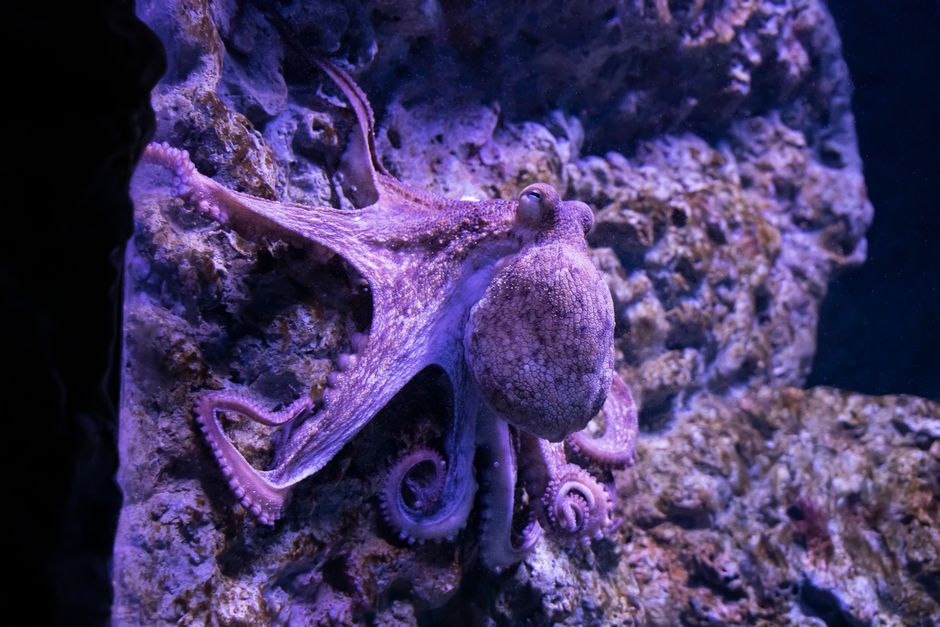
Table of Contents
- Key Takeaways
- The Science Behind Bizarre Octopus Blood
- Why Evolution Favored Blue Over Red
- Comparing Blood Systems Across Species
- Frequently Asked Questions
- Sources
Did you know that octopuses pump vivid blue blood through their bodies? This surprising trait sets them apart from nearly every land animal you can think of. While mammals rely on iron-based hemoglobin that turns our blood red, these intelligent cephalopods evolved an entirely different system. The bizarre octopus blood facts reveal how marine creatures adapted to some of the harshest environments on Earth, and the science behind their azure circulatory system is as fascinating as it is strange.
Understanding why octopus blood is blue opens a window into evolutionary biology, ocean chemistry, and survival strategies. These facts challenge what we think we know about how bodies work.
Key Takeaways
- Octopus blood is blue because it contains copper-based hemocyanin instead of iron-based hemoglobin
- Blue blood is more efficient at transporting oxygen in cold, low-oxygen ocean environments
- Octopuses have three hearts working together to pump their unusual blue blood
- Temperature changes can significantly affect how well octopus blood functions
- This copper-based blood system evolved independently in several marine species
- The blue color becomes most visible when the blood is oxygenated
The Science Behind Bizarre Octopus Blood
The striking blue color comes from hemocyanin, a copper-containing protein that octopuses use to transport oxygen throughout their bodies. When oxygen binds to the copper atoms in hemocyanin, it creates that distinctive blue hue. In contrast, human blood gets its red color from iron in hemoglobin. This isn't just a cosmetic difference—it represents a fundamentally different approach to one of life's most essential tasks: delivering oxygen to cells.
Hemocyanin molecules are much larger than hemoglobin molecules. They float freely in the blood plasma rather than being packaged inside cells. This structural difference affects everything from blood viscosity to how efficiently oxygen can be picked up and released. The copper in hemocyanin binds oxygen differently than iron does, creating advantages in specific environments where octopuses thrive.
Why Evolution Favored Blue Over Red
Cold water holds more dissolved oxygen than warm water, but it also makes chemical reactions slower. Hemocyanin performs better than hemoglobin in cold, oxygen-rich environments—exactly where many octopus species live. The protein remains functional at temperatures that would make iron-based blood sluggish and inefficient.
Marine biologists have discovered that hemocyanin also handles pH changes better than hemoglobin. Ocean water chemistry varies with depth, temperature, and other factors. An oxygen transport system that works across diverse conditions gives octopuses flexibility to hunt in different zones. This adaptability matters for creatures that can squeeze through tiny gaps and explore varied habitats.
1. Octopuses Have Three Hearts Pumping Blue Blood
One heart wouldn't cut it for an octopus. Two branchial hearts sit near the gills, pumping deoxygenated blood through the respiratory system where it picks up oxygen. The third systemic heart then pushes this freshly oxygenated blue blood throughout the body. Interestingly, the systemic heart stops beating when an octopus swims, which is why these creatures prefer crawling along the ocean floor—swimming exhausts them quickly. This three-heart system compensates for the fact that hemocyanin is less efficient at binding oxygen than hemoglobin, requiring more pumping power to meet metabolic demands.
2. The Blood Turns Bluer When Oxygenated
Deoxygenated octopus blood appears nearly colorless or faintly blue. When hemocyanin binds oxygen, the copper atoms undergo a chemical change that intensifies the blue color dramatically. You could think of it as the opposite of human blood—ours looks bright red when oxygenated and darker when depleted. This color change serves as a visual indicator of oxygen content, though octopuses certainly don't use it to check their own health. The transformation occurs because oxygen binding alters how the copper atoms absorb and reflect light wavelengths.
3. Cold Water Is Where Blue Blood Shines
Hemocyanin's oxygen-carrying capacity actually increases in cold temperatures, unlike hemoglobin which becomes less efficient. This makes blue blood ideal for deep-sea and polar octopus species that encounter frigid water. Some octopuses live in waters near freezing, where their copper-based blood gives them a competitive edge. The protein's structure remains stable and functional even as temperatures drop to levels that would compromise iron-based oxygen transport systems found in fish and marine mammals.
4. Blue Blood Doesn't Clot Like Ours
When you cut yourself, platelets and clotting factors quickly seal the wound. Octopus blood lacks these sophisticated clotting mechanisms. Instead, they rely on simpler wound-healing processes that involve muscle contraction and tissue regeneration. This means a significant injury could be far more dangerous for an octopus than for a mammal. The absence of complex clotting may be a trade-off for having blood that works efficiently in cold water—evolution rarely provides solutions without compromises.
5. Copper Is Scarcer Than Iron in Ocean Water
Despite copper being less abundant in seawater than iron, octopuses evolved to use it. This seems counterintuitive until you consider that bioavailability matters more than raw abundance. Copper in seawater exists in forms that marine organisms can more easily absorb and incorporate into proteins. Iron, while more plentiful, often binds with other compounds in ways that make it harder for some marine animals to use effectively. The octopus's ability to harvest and utilize copper represents an elegant evolutionary solution to a complex chemical puzzle.
6. Other Marine Animals Share This Blue Blood Trait
Octopuses aren't alone in sporting blue blood. Squid, cuttlefish, horseshoe crabs, and many crustaceans also use hemocyanin. This copper-based system evolved independently multiple times across different animal lineages—a phenomenon called convergent evolution. When unrelated species develop similar traits, it strongly suggests that solution offers real advantages in that environment. The repeated evolution of hemocyanin across marine invertebrates demonstrates how ocean chemistry and temperature shaped the development of circulatory systems.
7. Temperature Swings Can Be Dangerous
While hemocyanin works beautifully in cold water, it becomes less effective in warm conditions. Rising ocean temperatures due to climate change pose a real threat to octopus populations. As water warms, hemocyanin's oxygen-binding capacity drops, potentially leaving octopuses unable to meet their metabolic needs. Some species have narrow temperature tolerance ranges, making them particularly vulnerable. This temperature sensitivity means octopuses can't easily adapt to warming seas the way some fish species might.
8. The Blood pH Affects Oxygen Release
Hemocyanin is highly sensitive to pH changes in the blood. When an octopus exercises vigorously, carbon dioxide builds up in its tissues, making the blood more acidic. This pH shift causes hemocyanin to release oxygen more readily—exactly when active muscles need it most. This phenomenon, similar to the Bohr effect in human hemoglobin, shows that despite using different molecules, octopuses and mammals evolved comparable fine-tuning mechanisms. The system ensures oxygen delivery matches tissue demand during both rest and activity.
9. Blue Blood May Limit Maximum Body Size
The largest octopuses, like the giant Pacific octopus, can span over 15 feet across. Yet they never approach the size of large sharks or whales. Hemocyanin's lower oxygen-carrying efficiency compared to hemoglobin may impose a ceiling on how large octopuses can grow while still meeting their oxygen needs. Bigger bodies require more oxygen, and at some point, the hemocyanin system can't scale up effectively. This biological constraint might explain why no octopus species evolved to truly gigantic proportions, despite occupying oceans with few size limitations.
Comparing Blood Systems Across Species
| Feature | Octopus (Hemocyanin) | Humans (Hemoglobin) |
|---|---|---|
| Metal Used | Copper | Iron |
| Blood Color | Blue when oxygenated | Red when oxygenated |
| Location in Blood | Dissolved in plasma | Inside red blood cells |
| Optimal Temperature | Cold water | Warm environments |
| Oxygen Efficiency | Lower overall capacity | Higher overall capacity |
Frequently Asked Questions
Is octopus blood really bright blue like in photos?
Yes, but the intensity depends on oxygen content. Fully oxygenated octopus blood appears vivid blue, while deoxygenated blood is much paler, sometimes nearly clear. The dramatic blue you see in photos typically shows blood that's rich in oxygen. The color comes from copper atoms in hemocyanin molecules reflecting specific wavelengths of light after binding oxygen.
Can octopuses survive in warm water with their blue blood?
Some octopus species live in tropical waters, but they generally remain less active than cold-water species. Warm temperatures reduce hemocyanin's oxygen-carrying ability, forcing warm-water octopuses to adopt energy-conserving lifestyles. They often stay in cooler microhabitats like caves or deeper water during the hottest parts of the day. Climate change threatens species with limited temperature tolerance.
Do any land animals have blue blood?
No land animals use hemocyanin-based blue blood. The system evolved specifically for aquatic environments where its advantages outweigh its limitations. Land animals need more efficient oxygen transport to support active lifestyles and temperature regulation, making iron-based hemoglobin the better solution. The different atmospheric conditions and temperature ranges on land favor red blood chemistry.
Could humans survive with blue blood instead of red?
No. Hemocyanin wouldn't provide enough oxygen for warm-blooded mammals with high metabolic rates. Humans need the superior oxygen-carrying capacity of hemoglobin to fuel our energy-intensive brains and maintain constant body temperature. The octopus system works for cold-blooded marine invertebrates but couldn't support mammalian physiology. Our entire circulatory system evolved around iron-based blood chemistry.
The next time you encounter an octopus, remember that beneath its shape-shifting skin flows blood as blue as tropical waters. This copper-based circulatory system reminds us that evolution finds countless solutions to life's challenges, and sometimes the strangest answers work best.