










1 / 10 Questions
0 Points

What paper feature makes tearing easier?

Perforations

Pin pricks

Laser cuts

Burn marks

Points won
0
Correct score
0%

More Questions

More Articles

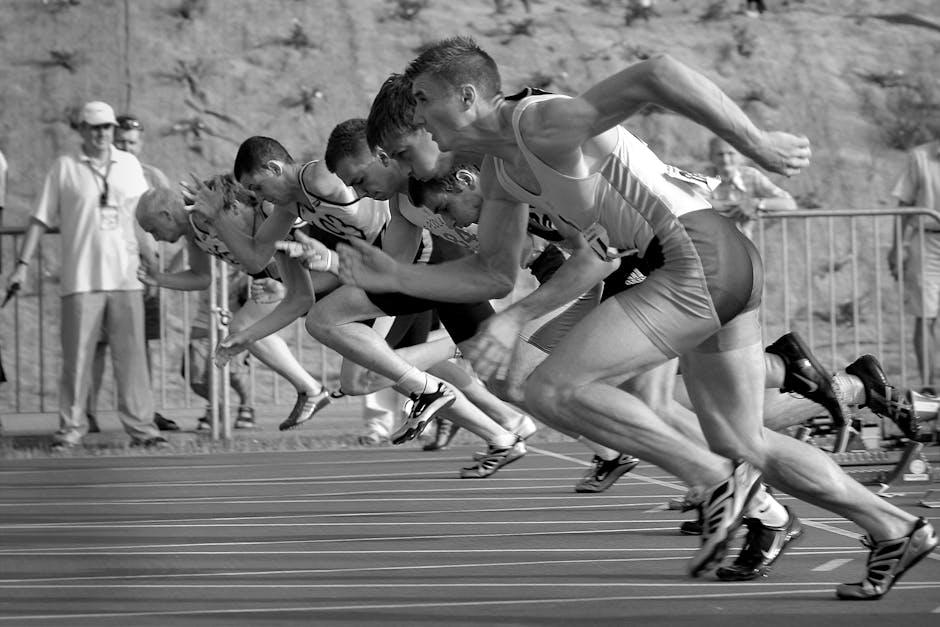
Did You Know These Shocking Facts About the Olympics?

Did You Know These Shocking Facts About the Olympics?

⏱️ 5 min read

The Olympic Games represent the pinnacle of athletic achievement, bringing together the world's finest competitors every four years. While millions tune in to watch record-breaking performances and inspiring moments of sportsmanship, the Olympics harbor countless fascinating secrets and surprising historical facts that even devoted fans may not know. From ancient traditions to modern controversies, these revelations shed new light on the world's greatest sporting spectacle.

The Ancient Olympics Banned Women Under Penalty of Death

In ancient Greece, the Olympic Games were exclusively male affairs, with women forbidden not only from competing but even from attending as spectators. Married women caught watching the games faced a severe punishment: being thrown from Mount Typaion to their death. This harsh penalty stemmed from the religious nature of the ancient games, which honored Zeus and required male athletes to compete completely naked. Only unmarried women and priestesses of Demeter were granted special exemption to observe the competitions.

The first documented case of a woman breaking this rule occurred around 404 BCE when Kallipateira disguised herself as a male trainer to watch her son compete. When he won, she leapt over a barrier in celebration, revealing her identity. Although she faced the death penalty, officials pardoned her because her father, brothers, and son were all Olympic victors. Following this incident, trainers were required to attend competitions naked as well, ensuring no further imposters could enter.

Olympic Gold Medals Are Mostly Made of Silver

Despite their prestigious status and golden appearance, modern Olympic gold medals contain very little actual gold. According to International Olympic Committee regulations, gold medals must consist of at least 92.5 percent silver, with only about 6 grams of gold plating covering the exterior. The last solid gold medals were awarded at the 1912 Stockholm Olympics, after which the cost became prohibitive for host nations.

Today's gold medals typically weigh around 500 grams, with silver medals composed of pure silver and bronze medals made from copper, tin, and zinc alloy. The monetary value of a gold medal's materials amounts to approximately $800-$900, far less than their symbolic worth and the prices they command at auction, which can reach hundreds of thousands of dollars.

The Olympic Torch Has Been Carried Underwater and Into Space

The Olympic torch relay has featured some extraordinarily creative methods of transportation throughout its history. During the 2000 Sydney Olympics, a diver carried a specially designed flare underwater along the Great Barrier Reef. The flame was chemically sustained using a catalytic conversion that allowed it to burn even while submerged, creating a spectacular visual display.

Even more remarkably, the Olympic torch traveled to space ahead of the 2014 Sochi Winter Olympics. Russian cosmonauts took an unlit torch aboard the International Space Station and even carried it on a spacewalk. While regulations prevented lighting the flame in the spacecraft due to safety concerns, this journey represented the torch's most distant adventure from Earth, orbiting approximately 250 miles above the planet's surface.

A Marathon Runner Nearly Died From His Coach's "Help"

The 1904 St. Louis Olympics witnessed one of the most bizarre incidents in sporting history involving marathon runner Thomas Hicks. As Hicks struggled in the intense heat, his trainers administered a dangerous concoction of strychnine (rat poison in large doses, but used as a stimulant in small amounts) and brandy to keep him going. This primitive form of performance enhancement nearly proved fatal.

Hicks required multiple doses throughout the race and began hallucinating before collapsing multiple times near the finish line. His trainers physically carried him for portions of the final stretches, though rules at the time somehow permitted this assistance. Hicks won the race but lost eight pounds during the competition and required immediate medical attention. He never ran competitively again, and the incident highlighted the dangers of the era's unregulated athletic practices.

Tug-of-War Was Once an Olympic Sport

Modern audiences might be surprised to learn that tug-of-war featured as an official Olympic event from 1900 to 1920. Teams of eight competitors would pull against each other, with victory going to the side that dragged their opponents six feet in any direction. Great Britain dominated the competition, winning five medals including two golds.

The sport faced controversy at the 1908 London Olympics when the American team accused British police officers of wearing illegal spiked boots. Officials dismissed the complaint, ruling that the boots were standard police-issue footwear. Other discontinued Olympic sports include live pigeon shooting, solo synchronized swimming, rope climbing, and the plunge for distance, which measured how far competitors could glide underwater after diving without moving their limbs.

The Olympic Village Has Distributed Millions of Condoms Since 1988

Olympic organizers have provided free condoms to athletes since the 1988 Seoul Games, initially as an HIV/AIDS awareness initiative. The numbers have grown astronomically over the decades, with Rio 2016 distributing a record 450,000 condoms—approximately 42 per athlete—during the two-week event. This provision acknowledges the reality that thousands of young, fit individuals living in close quarters will engage in romantic encounters.

Athletes have confirmed that the Olympic Village atmosphere promotes socializing and relationships, particularly after competitors finish their events and can finally relax. The condom distribution serves both public health and celebratory purposes, representing one of the lesser-discussed but thoroughly practical aspects of hosting thousands of international athletes.

Only Three Athletes Have Won Medals at Both Summer and Winter Games

The extreme specialization required for Olympic-level competition makes it extraordinarily rare for athletes to excel in both summer and winter sports. Only three individuals have achieved this remarkable feat: Eddie Eagan, Jacob Tullin Thams, and Christa Luding-Rothenburger. Eagan won gold in boxing at the 1920 Summer Olympics and gold in four-man bobsled at the 1932 Winter Games, making him the only athlete to win gold in both seasons.

This exclusivity demonstrates the incredible diversity of Olympic disciplines and the near-impossibility of mastering sports with such different physical demands, training requirements, and competitive seasons.
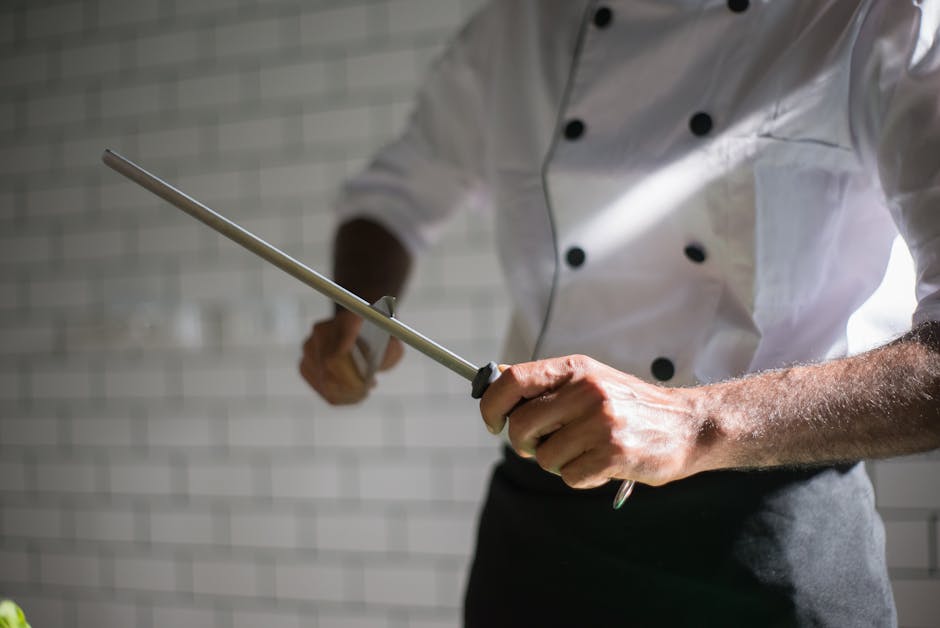
Did You Know These Cooking Techniques Are Thousands of Years Old?

Did You Know These Cooking Techniques Are Thousands of Years Old?

⏱️ 5 min read

Modern kitchens are filled with sophisticated appliances and contemporary culinary innovations, yet many of the fundamental cooking techniques used today have ancient origins. These time-tested methods have survived millennia because they effectively transform raw ingredients into delicious, digestible meals. Understanding the historical roots of common cooking practices offers fascinating insight into human ingenuity and the universal nature of food preparation across cultures.

Fermentation: The Ancient Art of Preservation

Fermentation stands as one of humanity's oldest food processing techniques, with archaeological evidence suggesting its use dating back at least 10,000 years. Ancient civilizations discovered that allowing microorganisms to break down food components not only preserved ingredients but also enhanced their nutritional value and flavor profiles.

The Neolithic Chinese were producing fermented beverages around 7000 BCE, while evidence of wine production in the Caucasus region dates back to 6000 BCE. Mesopotamians documented beer brewing on clay tablets, and ancient Egyptians perfected bread-making through natural fermentation. Today, this ancient technique remains essential for producing yogurt, cheese, kimchi, sauerkraut, kombucha, and countless other foods enjoyed worldwide.

Roasting Over Open Flames

The discovery of fire fundamentally changed human existence, and roasting represents perhaps the most primitive cooking method known to our species. Archaeological sites containing charred animal bones suggest that early humans were roasting meat over open flames as far back as 1.9 million years ago, though controlled use of fire for cooking likely became widespread around 400,000 years ago.

This technique allowed early humans to make tough proteins more digestible, kill harmful pathogens, and unlock flavors that raw foods couldn't provide. The Maillard reaction—the chemical process that creates the savory, browned exterior on roasted foods—became a cornerstone of flavor development that continues to define modern cuisine.

Smoking: Preservation Through Fire

Smoking emerged as both a preservation method and flavor enhancement technique in prehistoric times. Ancient peoples noticed that meat and fish hung near fires lasted longer without spoiling, leading to the deliberate practice of smoke-curing foods. Evidence from caves in France suggests that smoking was practiced at least 20,000 years ago.

Different cultures developed unique smoking traditions based on available wood types and regional preferences. Native Americans perfected smoking techniques for preserving salmon and buffalo, while Europeans developed distinctive methods for producing smoked hams, sausages, and fish. The antimicrobial properties of smoke, combined with dehydration, created shelf-stable foods long before refrigeration existed.

Boiling and the Revolution of Pottery

While roasting requires only fire and food, boiling demanded technological innovation. Before pottery, ancient peoples boiled water by placing heated stones into containers made from bark, shells, or animal skins. The invention of fire-resistant pottery around 20,000 years ago revolutionized cooking by enabling direct heat boiling.

This technique allowed for the preparation of grains, legumes, and tough vegetables that would otherwise be inedible. Boiling also facilitated the extraction of nutrients from bones to create nutritious broths and soups. Archaeological sites in China reveal pottery used for boiling as early as 20,000 years ago, while Japanese Jōmon pottery dates back approximately 16,500 years.

Drying: Nature's Preservation Method

Sun-drying represents one of the simplest yet most effective food preservation techniques, requiring only sunshine, air circulation, and time. Ancient civilizations across every continent practiced drying to preserve fruits, vegetables, meat, and fish. Evidence suggests that Middle Eastern cultures were drying dates and figs as early as 12,000 BCE.

The removal of moisture prevents bacterial growth and enzymatic reactions that cause spoilage. Native Americans created pemmican by drying meat and mixing it with fat and berries, producing a nutrient-dense food that could last for years. Mediterranean cultures sun-dried tomatoes, grapes, and herbs, creating concentrated flavors that enhanced their cuisine.

Grinding and Milling Grains

The transformation of wild grasses into edible grains required sophisticated grinding techniques. Archaeological evidence from Italy shows humans were making flour from various plants as far back as 30,000 years ago. The development of mortars, pestles, and eventually millstones allowed ancient peoples to process hard seeds into digestible flour.

This technique enabled the agricultural revolution and the rise of civilization itself. Ancient Egyptians, Mesopotamians, and other early societies built their cultures around grain cultivation and processing. The basic principle of grinding grains between two hard surfaces remains unchanged, though modern mills have mechanized the process.

Steaming: Gentle Heat Application

Steaming emerged independently in multiple ancient cultures as a gentle cooking method that preserves nutrients and delicate textures. Chinese bronze steamers dating back to the Shang Dynasty (1600-1046 BCE) demonstrate sophisticated multi-level designs remarkably similar to bamboo steamers used today. Ancient Mesoamerican cultures steamed tamales in corn husks, while Pacific Island peoples developed earth ovens that used steam from hot stones.

This technique requires generating steam through boiling water and allowing the vapor to cook food without direct contact with water or fire. The method preserves water-soluble vitamins better than boiling and maintains the structural integrity of delicate foods.

The Enduring Legacy of Ancient Techniques

These ancient cooking methods have endured because they fundamentally work with the chemical and physical properties of food. Modern technology has refined and accelerated these processes, but the underlying principles remain unchanged. Understanding these historical techniques connects contemporary cooks with thousands of years of human culinary evolution and demonstrates that innovation often builds upon timeless foundations rather than replacing them entirely.