

1 / 10 Questions
0 Points

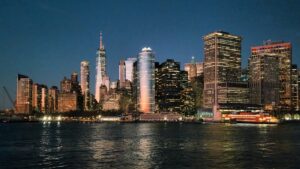
Which Island Is Manhattan Located On?

Manhattan Island

Roosevelt Island

Staten Island

Long Island

Points won
0
Correct score
0%

More Questions

More Articles

Did You Know These Quick Facts About Building Materials?

Did You Know These Quick Facts About Building Materials?

⏱️ 5 min read

Building materials form the foundation of every structure around us, from ancient monuments to modern skyscrapers. Throughout human history, the evolution of construction materials has reflected technological advancement, environmental adaptation, and creative innovation. Understanding these materials reveals fascinating insights into engineering, sustainability, and the built environment that shapes our daily lives.

The Ancient Origins of Concrete

Concrete, one of the most widely used building materials today, has a history spanning over 8,500 years. The ancient Romans perfected a formula using volcanic ash, lime, and seawater to create structures that have endured for millennia. The Pantheon in Rome, constructed in 126 AD, features a concrete dome that remains the world's largest unreinforced concrete dome. Remarkably, Roman concrete has proven more durable than many modern formulations, with recent research revealing that seawater actually strengthens the material over time through chemical reactions with volcanic ash.

Modern concrete production accounts for approximately 8% of global carbon dioxide emissions, making it a significant environmental concern. However, researchers are developing innovative alternatives, including carbon-capturing concrete that absorbs CO2 during curing and bio-concrete containing bacteria that can self-heal cracks.

The Surprising Properties of Bamboo

Bamboo stands out as one of nature's most remarkable building materials, combining rapid renewability with exceptional strength. This grass species can grow up to 35 inches in a single day, making it the fastest-growing plant on Earth. Despite its lightweight nature, certain bamboo species possess tensile strength comparable to steel, reaching up to 28,000 pounds per square inch.

Traditional cultures throughout Asia have utilized bamboo in construction for thousands of years, but contemporary architects are rediscovering its potential for sustainable building. Bamboo requires no fertilizers or pesticides, regenerates from its own roots after harvesting, and sequesters significant amounts of carbon dioxide. Modern treatments and engineering techniques now allow bamboo to meet international building codes, making it viable for everything from residential homes to multi-story structures.

Steel: The Backbone of Modern Construction

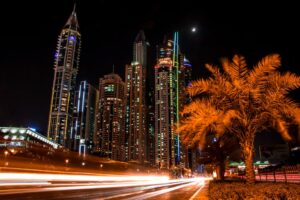
Steel revolutionized construction in the 19th century, enabling the vertical expansion of cities through skyscraper development. The material's high strength-to-weight ratio allows buildings to reach unprecedented heights while using relatively less material. The Burj Khalifa in Dubai, currently the world's tallest building at 2,717 feet, required approximately 39,000 tons of steel reinforcement.

Steel's recyclability makes it one of the most sustainable building materials available. Nearly 90% of structural steel is recycled at the end of a building's life, and the material can be recycled indefinitely without losing strength or quality. The steel industry has reduced its energy consumption per ton produced by approximately 60% since 1960, demonstrating continuous improvement in environmental efficiency.

The Thermal Efficiency of Straw Bales

Straw bale construction, while often associated with traditional or alternative building methods, offers impressive insulation properties that surpass conventional materials. A standard straw bale wall provides an R-value between 40 and 60, significantly exceeding typical fiberglass insulation at R-13 to R-15. This exceptional thermal performance can reduce heating and cooling costs by up to 75% compared to conventional construction.

Contrary to common concerns, properly constructed straw bale walls resist fire exceptionally well due to their density, which limits oxygen availability. Testing has shown that plastered straw bale walls can withstand fire for up to two hours, meeting or exceeding fire safety standards. Additionally, straw is an agricultural byproduct often burned or discarded, making its use in construction an environmentally beneficial repurposing of waste material.

Glass: More Than Meets the Eye

Modern architectural glass extends far beyond simple transparency, incorporating sophisticated technologies for energy efficiency and comfort. Low-emissivity coatings can reflect up to 70% of solar heat while maintaining visible light transmission, dramatically reducing cooling costs. Electrochromic "smart glass" can change tint in response to electrical current, allowing dynamic control of light and heat entering buildings.

The production of glass dates back approximately 5,000 years, but contemporary manufacturing has achieved remarkable precision. Today's float glass process produces panels with thickness variations of less than 0.1 millimeters across entire sheets. Triple-glazed windows with insulating gas fills can achieve R-values exceeding R-10, comparable to insulated wall sections.

Cross-Laminated Timber's Comeback

Cross-laminated timber (CLT) represents a renaissance for wood in large-scale construction. This engineered wood product layers lumber boards perpendicular to each other, creating panels that rival concrete and steel in strength while remaining significantly lighter. CLT panels can support multi-story buildings, with some timber towers now exceeding 18 stories in height.

Wood construction offers substantial environmental advantages, as trees absorb carbon dioxide during growth, effectively storing carbon within building materials. A cubic meter of CLT can store approximately one ton of CO2. Additionally, CLT buildings can be constructed 25% faster than comparable concrete structures, reducing labor costs and construction timelines. The material also provides excellent acoustic and thermal insulation properties naturally.

The Future of Building Materials

Emerging technologies promise revolutionary changes in construction materials. Self-healing concrete uses bacteria or polymers to automatically repair cracks. Aerogel insulation, despite being 99% air, provides R-values up to three times higher than traditional insulation. Transparent aluminum and graphene-enhanced materials hint at possibilities that seemed like science fiction just decades ago.

These innovations, combined with renewed appreciation for traditional materials and sustainable practices, are reshaping how we build. Understanding the properties, history, and potential of building materials enables better construction decisions that balance performance, cost, and environmental responsibility.

Top 10 Little-Known Facts About Global Cultures

Top 10 Little-Known Facts About Global Cultures

⏱️ 7 min read

Every corner of the world harbors fascinating cultural practices, beliefs, and traditions that often escape mainstream attention. While many people are familiar with popular cultural exports like sushi, flamenco, or yoga, countless lesser-known customs and historical facts reveal the incredible diversity of human civilization. These hidden gems of cultural knowledge offer insights into how different societies have developed unique solutions to universal human experiences, from timekeeping to communication to social bonding.

Remarkable Cultural Discoveries From Around the World

1. The Whistling Language of La Gomera

On the Spanish island of La Gomera in the Canary Islands, residents have preserved an ancient communication method called Silbo Gomero—a whistled language that can convey complex messages across the island's deep ravines and valleys. This UNESCO-recognized form of communication allows whistlers to transmit complete Spanish sentences over distances of up to five kilometers. Originally developed by the island's indigenous inhabitants, this practice became so valuable that it is now taught as a mandatory subject in local schools, ensuring its survival for future generations. The language uses different pitches and tones to represent vowels and consonants, creating a sophisticated system that demonstrates humanity's remarkable adaptability to environmental challenges.

2. Finland's Wife-Carrying Championship Tradition

Every July, the small Finnish town of Sonkajärvi hosts the World Wife Carrying Championship, a competition rooted in 19th-century folklore about a band of thieves who would steal women from neighboring villages. Today's version is far more lighthearted, with male competitors racing through an obstacle course while carrying their female partners—who don't necessarily have to be their spouses. The prize? The wife's weight in beer. This quirky tradition has spawned similar competitions worldwide and reflects Finland's broader cultural appreciation for humor, physical challenges, and community gatherings that bring levity to daily life.

3. The Timeless Calendar of Ethiopia

While most of the world follows the Gregorian calendar, Ethiopia operates on its own unique time system that places the country approximately seven to eight years behind the rest of the world. The Ethiopian calendar has thirteen months—twelve months of thirty days each, plus a thirteenth month of five or six days. Additionally, Ethiopians measure their day differently, with the day beginning at dawn (their 1:00 AM) rather than at midnight. This distinct approach to timekeeping stems from the Ethiopian Orthodox Church's calculation of the birth year of Jesus Christ, which differs from Western Christian traditions, offering a fascinating example of how cultural and religious factors can fundamentally shape everyday life.

4. Japan's Designated Crying Spaces

In a culture often associated with emotional restraint, Japan has developed "rui-katsu" or "tear-seeking," a wellness trend that encourages people to cry deliberately as a form of stress relief. Some companies have even created designated crying rooms where employees can watch sad videos or read emotional stories during breaks. This practice reflects a growing awareness of mental health in Japanese society while simultaneously working within cultural frameworks that prefer private emotional expression. The phenomenon has spawned crying workshops, crying clubs, and even professional "crying instructors" who help participants tap into their emotions safely.

5. The Mongolian Tradition of Nomadic Addresses

In Mongolia, where nearly a third of the population maintains a nomadic or semi-nomadic lifestyle, traditional street addresses proved impractical. The country implemented a unique location system called "What3Words" in some areas, but many Mongolians still rely on descriptive directions based on landmarks, geographical features, and relationships. For centuries, Mongolians have navigated their vast steppes using intricate knowledge of terrain, celestial navigation, and oral directions that might reference "the valley where three rivers meet" or "east of the mountain shaped like a sleeping camel." This adaptive approach to spatial organization demonstrates how cultural practices evolve in response to environmental conditions.

6. The Dutch Practice of Gezelligheid

The Netherlands cherishes a concept that has no direct English translation: "gezelligheid." This term encompasses coziness, togetherness, and a sense of comfortable belonging that characterizes Dutch social life. More than just a word, gezelligheid represents a cultural value that influences everything from interior design to social gatherings. A gezellig environment might feature dim lighting, candles, close friends, warm drinks, and intimate conversation. This cultural concept shapes how the Dutch create spaces and structure social interactions, prioritizing warmth and connection over formality or ostentation.

7. Korea's Unique Age Calculation System

In South Korea, age is calculated differently than in most Western countries. Babies are considered one year old at birth, and everyone gains a year on New Year's Day rather than on their individual birthdays. This means a baby born on December 31st would be considered two years old the very next day. This system, rooted in traditional East Asian age reckoning, is gradually changing due to practical complications with international standards, but it still influences social dynamics, language honorifics, and interpersonal relationships. The traditional system reflects a more communal approach to marking time and life stages.

8. The Tibetan Sky Burial Ceremony

In Tibet and some regions of Mongolia, Bhutan, and parts of India, a funeral practice called "jhator" or sky burial reflects deep Buddhist beliefs about the impermanence of the body. In this ritual, the deceased's body is taken to a mountaintop and offered to vultures, considered sacred birds. This practice stems from the Buddhist concept that the body is merely a vessel and, once the spirit has departed, can serve as a final act of generosity by providing sustenance to other living beings. In the rocky Tibetan terrain where burial is difficult and wood for cremation is scarce, this practice also represents a practical adaptation to environmental constraints.

9. The Haka's Role Beyond New Zealand Rugby

While many people associate the haka with New Zealand's rugby team, this traditional Māori dance has much deeper cultural significance. The haka encompasses various forms performed for different occasions—welcoming distinguished guests, celebrating achievements, or preparing for battle. Each haka tells a story through coordinated movements, rhythmic chanting, and fierce facial expressions. Contrary to popular belief, not all hakas are aggressive war dances; some express love, grief, or celebration. The practice remains central to Māori identity and has been incorporated into contemporary New Zealand life during weddings, funerals, and formal state occasions, demonstrating how indigenous traditions can thrive in modern contexts.

10. Bhutan's Gross National Happiness Index

The small Himalayan kingdom of Bhutan measures its success not through Gross Domestic Product but through Gross National Happiness (GNH), a holistic development philosophy that balances material progress with spiritual, emotional, and cultural well-being. Introduced in the 1970s, this unique approach evaluates the country's prosperity through nine domains including psychological well-being, health, education, cultural diversity, time use, and ecological diversity. The government conducts extensive surveys to measure citizens' happiness levels and uses this data to inform policy decisions. This framework has influenced global conversations about alternative development models and challenges the assumption that economic growth alone determines a nation's success.

Understanding Our Shared Humanity

These ten cultural facts reveal the extraordinary creativity and diversity of human societies. From whistled languages to happiness metrics, from sky burials to wife-carrying competitions, cultures around the world have developed distinctive approaches to universal human needs and experiences. These practices remind us that there are countless valid ways to organize societies, mark time, communicate, grieve, celebrate, and find meaning. By exploring these lesser-known aspects of global cultures, we gain not only fascinating knowledge but also broader perspectives on our own cultural assumptions and a deeper appreciation for the rich tapestry of human civilization.