










1 / 10 Questions
0 Points

Which country literally straddles two continents?

Turkey

Panama

Russia

Egypt

Points won
0
Correct score
0%

More Questions

More Articles

Did You Know These Fast Facts About the Internet?

Did You Know These Fast Facts About the Internet?

⏱️ 5 min read

The internet has become such an integral part of daily life that it's easy to take for granted. Yet behind every click, search, and stream lies a fascinating world of technology, statistics, and surprising facts that most people never consider. From its humble beginnings as a military project to its current status as a global phenomenon connecting billions of people, the internet continues to evolve at an astonishing pace. Understanding these quick facts provides valuable insight into how this revolutionary technology shapes modern society.

The Staggering Scale of Internet Usage

The sheer size of the internet defies easy comprehension. As of recent estimates, over 5.3 billion people use the internet worldwide, representing approximately 66% of the global population. This massive user base generates an enormous amount of activity every single second. Google processes more than 99,000 searches per second, which translates to over 8.5 billion searches per day. Meanwhile, internet users send approximately 231.4 million emails every sixty seconds, though a significant portion consists of spam.

The amount of data transmitted across the internet reaches mind-boggling proportions. Every minute, users watch 694,000 hours of video on Netflix, send 347,222 stories on Instagram, and upload 500 hours of video content to YouTube. This constant flow of information means that the total amount of data on the internet doubles approximately every two years, a trend that shows no signs of slowing down.

Historical Milestones That Changed Everything

The internet's origins trace back to 1969 when the Advanced Research Projects Agency Network (ARPANET) sent its first message between two computers located at UCLA and Stanford Research Institute. This initial message was supposed to be "LOGIN," but the system crashed after only two letters, making "LO" the first transmission in internet history. The World Wide Web, which many people mistakenly believe is synonymous with the internet itself, wasn't invented until 1989 by British scientist Tim Berners-Lee at CERN.

The first website ever created went live on August 6, 1991, and it's still accessible today in its original form. The domain name Symbolics.com holds the distinction of being the first registered domain, claimed on March 15, 1985. By comparison, the popular domain Google.com wasn't registered until September 15, 1997, demonstrating how recently many internet giants actually emerged.

Speed and Infrastructure Facts

Modern internet speeds have reached incredible levels, though they vary dramatically across different regions. South Korea and Singapore consistently rank among countries with the fastest average internet speeds, while some rural and developing areas still struggle with basic connectivity. The fastest internet speed ever recorded reached 178 terabits per second in a laboratory setting, fast enough to download the entire Netflix library in under one second.

The physical infrastructure supporting the internet relies heavily on undersea cables rather than satellites, contrary to common belief. Approximately 99% of international data travels through more than 400 submarine cables stretching across ocean floors. These cables span over 1.3 million kilometers collectively and remain vulnerable to damage from ship anchors, earthquakes, and even shark bites, which has actually occurred multiple times.

Social Media and Content Creation Statistics

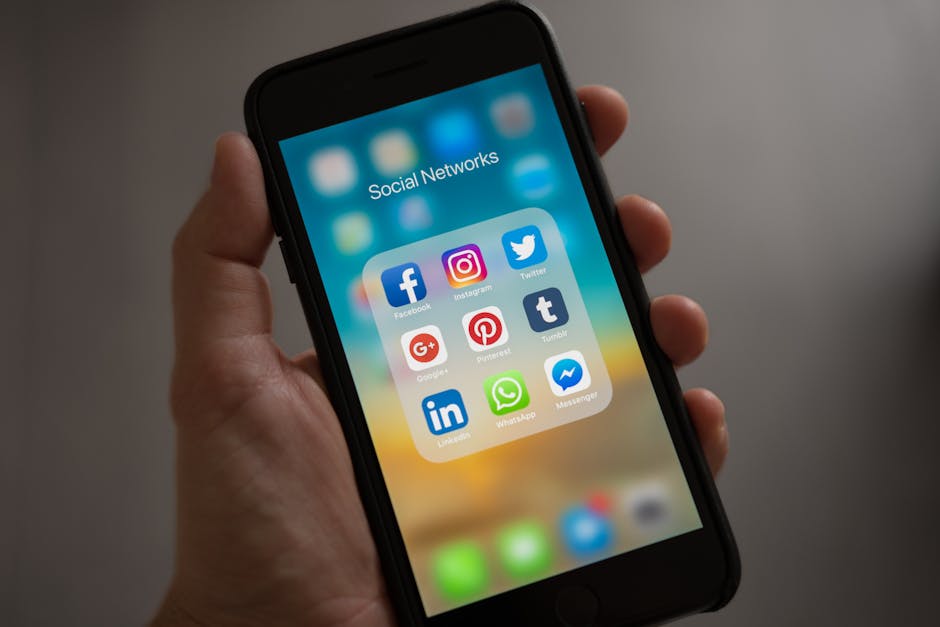
Social media platforms have transformed how people communicate and share information online. Facebook remains the largest social network with over 2.9 billion monthly active users, meaning roughly one in three people on Earth uses the platform. However, newer platforms have shown explosive growth rates. TikTok reached one billion users faster than any other social media platform in history, achieving this milestone in just five years.

Content creation has become democratized in unprecedented ways. Every day, users upload approximately 720,000 hours of content to YouTube, create 95 million posts on Instagram, and tweet about 500 million times on Twitter. Wikipedia, the free online encyclopedia built entirely by volunteers, contains more than 60 million articles across 300 languages, with the English version alone exceeding 6.5 million articles.

Economic Impact and Digital Commerce

The internet economy has grown into a multi-trillion-dollar industry. E-commerce sales worldwide exceed $5 trillion annually and continue growing at double-digit rates. Amazon processes approximately 2,800 transactions per minute during regular periods, with this number skyrocketing during major shopping events. The digital advertising industry generates over $500 billion annually, with Google and Facebook capturing more than half of all digital ad spending.

Cryptocurrency and blockchain technology represent newer additions to the internet economy. Bitcoin, the first cryptocurrency, has inspired thousands of alternatives and spawned an entire industry worth over one trillion dollars at its peak. The energy consumption required to maintain Bitcoin's network alone rivals that of entire countries, sparking ongoing debates about sustainability.

Security and Privacy Considerations

Cybersecurity has become increasingly critical as internet dependency grows. Hackers launch a cyberattack somewhere in the world approximately every 39 seconds. Data breaches exposed billions of records in recent years, with single incidents sometimes compromising hundreds of millions of user accounts. Cybercrime costs are projected to reach $10.5 trillion annually by 2025, making it more profitable than the global trade of all illegal drugs combined.

Despite growing awareness, password security remains problematic. Studies consistently show that "123456" and "password" rank among the most commonly used passwords, despite representing extremely poor security practices. The average person maintains approximately 100 online accounts but typically uses only a handful of different passwords across all of them, creating significant vulnerability.

Future Trends and Emerging Technologies

The Internet of Things (IoT) is expanding rapidly, with projections suggesting over 75 billion connected devices by 2025. These range from smart home appliances to industrial sensors and wearable technology. Fifth-generation (5G) wireless networks promise speeds up to 100 times faster than 4G, enabling new applications in autonomous vehicles, remote surgery, and augmented reality. Artificial intelligence and machine learning increasingly power internet services, from search algorithms to content recommendations, fundamentally changing how people interact with online information.

Top 10 Fast Facts About Modern Life

Top 10 Fast Facts About Modern Life

⏱️ 6 min read

The world has transformed dramatically over the past few decades, reshaping how we live, work, and interact with one another. From the technology we carry in our pockets to the way we consume information and maintain relationships, modern life bears little resemblance to existence just a generation ago. Understanding these shifts provides valuable insight into the forces shaping contemporary society and offers perspective on where we might be heading next.

Key Facts Defining Contemporary Existence

1. The Smartphone Revolution Has Created Digital Dependence

The average person now checks their smartphone approximately 96 times per day, or once every ten minutes during waking hours. This device, which didn't exist in its current form until 2007, has become so integral to daily life that studies show people experience genuine anxiety when separated from their phones—a phenomenon psychologists have termed "nomophobia." Smartphones have consolidated the functions of cameras, maps, calendars, music players, televisions, and countless other devices into a single pocket-sized computer that most people keep within arm's reach 24 hours a day.

2. Remote Work Has Fundamentally Altered Employment

Prior to 2020, only about 6% of employed Americans worked primarily from home. That number surged during the global pandemic and has stabilized at roughly 30% working in hybrid or fully remote arrangements. This shift has eliminated billions of commuting hours annually, changed residential patterns as workers relocate away from expensive urban centers, and forced organizations to rethink productivity measurement and corporate culture. The traditional 9-to-5 office model is increasingly viewed as just one option among many rather than the default standard for knowledge workers.

3. Social Media Shapes Public Opinion and News Consumption

More than 4.7 billion people worldwide now use social media platforms, spending an average of 2.5 hours daily scrolling through feeds. These platforms have become primary news sources for younger generations, with over 50% of adults under 30 getting their news primarily through social media rather than traditional outlets. This shift has profound implications for information verification, echo chambers, and the rapid spread of both accurate information and misinformation across global populations within minutes.

4. Streaming Services Have Replaced Scheduled Programming

The concept of waiting for a specific time to watch a television show has become nearly obsolete for hundreds of millions of people. Streaming platforms now account for more viewing time than traditional broadcast and cable television combined in many markets. This on-demand model has eliminated commercial breaks for many viewers, enabled binge-watching entire series in single sittings, and fundamentally changed how entertainment content is produced, distributed, and consumed. The phrase "what's on TV tonight" has been replaced by "what should we watch" from infinite libraries of content.

5. E-Commerce Has Transformed Retail and Consumer Behavior

Online shopping now represents over $5 trillion in annual global sales and continues growing rapidly. The ability to compare prices instantly, read reviews from thousands of other customers, and have products delivered to doorsteps within hours has changed not just where people shop, but how they make purchasing decisions. Traditional brick-and-mortar retail has had to adapt or perish, with many stores now serving primarily as showrooms or pickup locations for online orders. The expectation of free, fast shipping has become so normalized that anything less feels like poor service.

6. Dating and Relationships Begin in Digital Spaces

Approximately 40% of heterosexual couples and over 60% of same-sex couples now meet online rather than through traditional means like mutual friends, work, or chance encounters. Dating apps have gamified the process of finding romantic partners, making it possible to evaluate dozens of potential matches in minutes. This has dramatically expanded the pool of potential partners while simultaneously creating new anxieties about choice overload and the disposability of connections. The stigma once associated with online dating has almost entirely vanished, particularly among younger generations.

7. Instant Communication Has Eliminated Waiting

The concept of being unreachable has become nearly extinct. Text messages, instant messaging apps, video calls, and email ensure that people can contact one another instantly regardless of geographic distance. This constant connectivity has blurred the boundaries between work and personal life, created expectations of immediate responses, and fundamentally changed how relationships are maintained. Someone not responding within hours can now trigger concern that would have been absurd in an era when letters took days or weeks to arrive.

8. Artificial Intelligence Quietly Powers Daily Activities

Most people interact with artificial intelligence dozens of times daily without realizing it. AI powers smartphone assistants, provides personalized recommendations on streaming and shopping platforms, filters email spam, enables facial recognition for unlocking devices, optimizes navigation routes, and moderates content on social media. Machine learning algorithms analyze behavior patterns to predict needs and preferences with increasing accuracy. This technology, once confined to science fiction, now operates invisibly in the background of modern life, making decisions and providing services that shape daily experiences.

9. Food Delivery Apps Have Changed Dining Habits

The ability to order restaurant meals through smartphone apps and have them delivered within 30 minutes has created an entire industry worth over $150 billion globally. This convenience has changed not only how often people order takeout, but also which restaurants succeed, as delivery-optimized "ghost kitchens" compete with traditional establishments. The expectation that virtually any cuisine can be delivered to your location with a few taps has made cooking at home optional rather than necessary for many urban dwellers, fundamentally altering meal planning and preparation patterns.

10. Digital Payment Systems Are Replacing Physical Currency

Cash transactions now represent a minority of purchases in many developed nations, with contactless payments, mobile wallets, and peer-to-peer payment apps handling the majority of transactions. This shift toward digital currency has created comprehensive transaction records, simplified splitting bills among friends, enabled instant transfers across distances, and raised new questions about privacy and surveillance. Younger generations increasingly view physical cash as inconvenient and outdated, accelerating the transition toward a potentially cashless society.

Understanding the Modern Landscape

These ten aspects of contemporary life represent fundamental shifts in how humans interact with technology, one another, and the world around them. The pace of change continues accelerating, with innovations that seemed futuristic just years ago now taken for granted. Understanding these transformations helps contextualize current experiences and prepare for continued evolution in how we live, work, and connect in an increasingly digital world. The modern lifestyle, with all its conveniences and complexities, would be nearly unrecognizable to someone from just a few decades ago, highlighting the remarkable adaptability of human society.