











1 / 10 Questions
0 Points

What is the main spicy compound found in chili peppers?

Piperine

Allicin

Curcumin

Capsaicin

Points won
0
Correct score
0%

More Questions

More Articles

Did You Know These Quick Survival Facts?

Did You Know These Quick Survival Facts?

⏱️ 5 min read

Survival situations can arise unexpectedly, whether during outdoor adventures, natural disasters, or emergency scenarios. Understanding essential survival facts can mean the difference between life and death when time is critical. These quick survival tips are based on proven techniques used by wilderness experts, military personnel, and emergency responders worldwide.

The Rule of Threes: Understanding Survival Priorities

One of the most fundamental concepts in survival is the Rule of Threes, which helps prioritize needs in emergency situations. A person can typically survive three minutes without air, three hours without shelter in harsh conditions, three days without water, and three weeks without food. This hierarchy is crucial for making quick decisions when resources and time are limited.

Understanding this rule helps survivors focus their energy on the most pressing needs first. In extreme weather conditions, finding or creating shelter becomes the immediate priority after securing breathable air. Many people mistakenly focus on finding food first, but hypothermia or heatstroke can be fatal within hours, while the body can function for extended periods without food.

Water Purification Methods You Can Use Anywhere

Finding water is only half the battle; making it safe to drink is equally important. Contaminated water can cause severe illness, further compromising survival chances. Boiling water for at least one minute at sea level, or three minutes at higher altitudes, kills most pathogens and is the most reliable purification method.

If boiling isn't possible, there are alternative methods. Clear plastic bottles filled with water and exposed to direct sunlight for six hours can kill many harmful organisms through UV radiation. This method, called solar water disinfection, works best when the water is relatively clear. Additionally, water can be filtered through layers of cloth, sand, and charcoal to remove larger particles before further purification.

Fire Starting Without Matches or Lighters

Fire provides warmth, light, a way to purify water, cook food, and signal for help. Knowing multiple fire-starting methods is essential survival knowledge. The bow drill method, though requiring practice, creates an ember through friction using only natural materials like wood and cord.

Another effective technique involves using a battery and steel wool. Touching steel wool to both terminals of a battery creates sparks that ignite the wool instantly. Even a small nine-volt battery can work. For those carrying glasses or a clear water bottle, concentrating sunlight onto tinder can start a fire on sunny days. The key is having dry tinder prepared, such as dried grass, bark shavings, or pocket lint.

Shelter Construction Essentials

A proper shelter protects against wind, rain, snow, and extreme temperatures. The lean-to is one of the quickest emergency shelters to construct. By propping a long branch against a tree or between two supports and laying smaller branches across it, then covering with leaves, bark, or other debris, a person can create effective protection within an hour.

The debris hut offers better insulation for cold weather. This shelter resembles a small tent made entirely from natural materials. A frame of branches is packed thickly with leaves, pine needles, and other forest debris. The insulation should be at least two feet thick to trap body heat effectively. The entrance should be small to minimize heat loss.

Navigation Without a Compass

Getting lost is a common survival scenario. The sun rises in the east and sets in the west, providing basic directional guidance. At noon in the Northern Hemisphere, the sun is due south, while in the Southern Hemisphere, it's due north. The shadow stick method uses a stick placed upright in the ground. Marking where the shadow tip falls, waiting fifteen minutes, then marking again creates a west-to-east line.

At night, the North Star (Polaris) indicates true north in the Northern Hemisphere. It's located by following the pointer stars of the Big Dipper constellation. In the Southern Hemisphere, the Southern Cross constellation helps identify south. These natural navigation methods have guided travelers for thousands of years.

Signaling for Rescue

Once basic survival needs are met, signaling for rescue becomes the priority. Three of anything signals distress universally: three fires, three whistle blasts, three gunshots, or three flashes of light. This pattern is recognized internationally as a call for help.

A signal fire should produce maximum smoke during daylight. Adding green leaves or grass to a fire creates thick white smoke visible for miles. At night, a bright flame is more visible. Mirrors or any reflective surface can signal aircraft or distant rescuers. A small mirror can be seen up to ten miles away on sunny days. Even a phone screen or CD can work as an improvised signal mirror.

Essential Knots Every Survivor Should Know

Rope and cordage are invaluable in survival situations, but only if you know how to use them effectively. The bowline creates a loop that won't slip or bind, perfect for rescue operations or securing shelters. The clove hitch quickly secures rope to a tree or post. The taut-line hitch creates an adjustable loop, ideal for tent guy-lines or clotheslines.

Knowing how to create improvised rope from natural materials extends these capabilities. Long grasses, tree bark strips, and plant fibers can be twisted together to create strong cordage. Paracord, if available, can be unraveled to provide multiple thinner strands for various applications.

Recognizing Hypothermia and Heatstroke

Understanding the signs of temperature-related emergencies can save lives. Hypothermia symptoms include uncontrollable shivering, confusion, slurred speech, and drowsiness. The body should be warmed gradually, starting with the core. Wet clothing must be removed immediately, as water conducts heat away from the body twenty-five times faster than air.

Heatstroke presents with hot, dry skin, rapid pulse, confusion, and loss of consciousness. Moving to shade, cooling the body with water, and fanning are critical responses. Small sips of water help, but large amounts can cause nausea. Prevention through proper hydration and avoiding exertion during peak heat hours is the best strategy in hot environments.
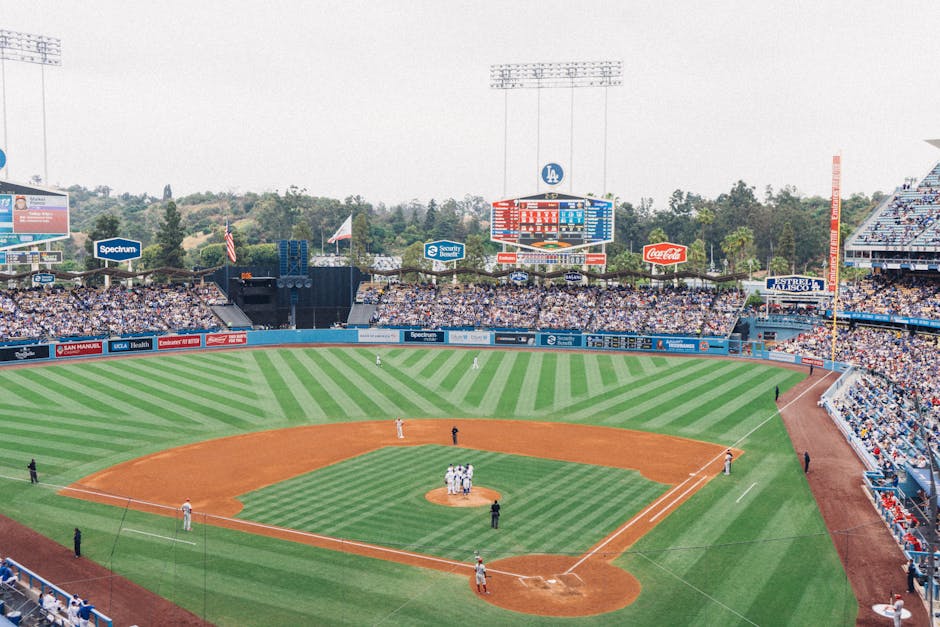
Top 10 Fun Facts About Sports Stadiums

Top 10 Fun Facts About Sports Stadiums

⏱️ 6 min read

Sports stadiums are more than just venues for athletic competition—they're architectural marvels, historical landmarks, and cultural icons that have witnessed some of humanity's most memorable moments. From their innovative designs to their quirky characteristics, these colossal structures hold fascinating secrets that even the most dedicated sports fans might not know. Let's explore some of the most intriguing facts about these remarkable buildings that host millions of spectators every year.

Remarkable Facts That Make Sports Stadiums Extraordinary

1. The Ancient Origins of Stadium Design

The word "stadium" originates from ancient Greece, specifically from a unit of measurement called a "stadion," which was approximately 600 feet. The first stadium, built in Olympia around 776 BCE, was designed to accommodate footraces of exactly this length. Modern stadiums still honor this heritage, with many incorporating classical architectural elements and maintaining the oval or horseshoe shape that allowed ancient spectators to view competitions from multiple angles. The Panathenaic Stadium in Athens, rebuilt for the first modern Olympics in 1896, remains the only stadium in the world built entirely of marble.

2. Moving Fields and Retractable Surfaces

Several modern stadiums feature removable or retractable playing surfaces that can be rolled in and out on massive trays. The University of Phoenix Stadium in Arizona houses a 19-million-pound natural grass field that slides outside the stadium on 546 steel wheels, allowing the turf to receive natural sunlight. This engineering feat takes approximately 75 minutes to complete and ensures the playing surface remains in pristine condition. Similar technology exists in stadiums across the globe, representing millions of dollars in mechanical innovation.

3. The Loudest Crowd Noise Ever Recorded

Arrowhead Stadium in Kansas City, home to the NFL's Chiefs, holds the Guinness World Record for the loudest crowd roar at an outdoor stadium, reaching 142.2 decibels in 2014. To put this in perspective, this noise level is louder than a jet engine at takeoff and can cause immediate hearing damage. The stadium's design, with its steep seating bowl and overhanging roof structure, naturally amplifies crowd noise and reflects it back onto the field, creating a genuine home-field advantage that opposing teams genuinely fear.

4. Stadiums That Generate Their Own Power

Environmental consciousness has entered the world of sports venues, with several stadiums now generating their own renewable energy. The Amsterdam Arena in the Netherlands features 4,200 solar panels that provide power to the stadium and surrounding neighborhood. Meanwhile, the Kaohsiung Stadium in Taiwan is topped with 8,844 solar panels forming the roof structure, making it the world's first stadium powered entirely by solar energy. These innovations represent a growing trend toward sustainability in sports architecture.

5. The Billion-Dollar Price Tags

Modern stadium construction costs have skyrocketed to unprecedented levels. SoFi Stadium in Los Angeles, which opened in 2020 as home to both the Rams and Chargers, cost approximately $5.5 billion to build, making it the most expensive sports venue ever constructed. This indoor-outdoor stadium features a translucent roof covering 3.1 million square feet and a 70,000-square-foot video board that hangs from the roof. The astronomical costs reflect not just construction expenses but also the integration of cutting-edge technology, luxury amenities, and architectural innovation.

6. Stadiums Built in Impossible Locations

Some stadiums have been constructed in locations that defy engineering logic. The Estadio Hernando Siles in La Paz, Bolivia, sits at 11,932 feet above sea level, making it the highest professional stadium in the world. The thin air at this altitude significantly affects gameplay, giving the home team a substantial advantage as visiting athletes struggle with reduced oxygen levels. Meanwhile, Singapore's Float at Marina Bay features the world's largest floating platform, where the stadium field literally sits on water in the city's harbor.

7. Hidden Underground Features and Facilities

Beneath the visible structures lie extensive underground networks that few fans ever see. Many stadiums feature subterranean locker rooms, training facilities, maintenance tunnels, and even underground parking for players. The Melbourne Cricket Ground in Australia has tunnels and rooms underground that date back to the 1850s, creating a historical labyrinth beneath the modern facility. Some stadiums also feature elaborate bunker systems, holdovers from Cold War-era construction when such venues were designated as potential emergency shelters.

8. Natural Grass at Impossible Heights

Maintaining natural grass in domed or retractable-roof stadiums presents unique challenges. The Principality Stadium in Cardiff, Wales, was the first stadium with a retractable roof to use real grass, requiring a sophisticated drainage and irrigation system that cost millions to implement. The grass sits on a specialized growing medium just four inches deep, supported by an intricate network of pipes that provide heating, drainage, and precise moisture control. Groundskeepers monitor soil conditions constantly using advanced sensors and computer systems.

9. Stadiums That Transform Into Lakes

Some stadiums have been intentionally designed to flood for special events. The Stadio Comunale in Florence, Italy, was famously flooded in 1989 to recreate a naval battle for a historical celebration. More recently, several stadiums worldwide have incorporated water features or the ability to flood portions of the field for concerts, shows, or special ceremonies. These transformations require complex engineering to ensure water doesn't damage the underlying infrastructure and can be drained efficiently.

10. The Fastest Stadium Construction Ever

While modern mega-stadiums take years to complete, the record for fastest stadium construction is impressive. The Braga Municipal Stadium in Portugal was built in approximately two years for Euro 2004, carved directly into the face of a granite quarry. However, temporary stadiums hold speed records—some World Cup qualifying venues have been erected in less than six months. These rapid constructions rely on prefabricated materials and modular designs that can be assembled quickly, though they typically lack the amenities and longevity of permanent structures.

Conclusion

Sports stadiums represent remarkable achievements in architecture, engineering, and human ambition. From ancient Greek origins to solar-powered modern marvels, from impossible construction sites to record-breaking crowd noise, these venues continue to push boundaries and capture imaginations. Whether through their environmental innovations, astronomical costs, or ingenious designs, stadiums remain testaments to our collective passion for sports and our willingness to create extraordinary spaces where communities gather, athletes compete, and memories are made. As technology advances and sustainability becomes increasingly important, future stadiums will undoubtedly continue this tradition of innovation, creating even more fascinating facts for generations to come.