











1 / 10 Questions
0 Points

What galaxy is Earth located in?

Milky Way

Sombrero

Andromeda

Whirlpool

Points won
0
Correct score
0%

More Questions

More Articles

Did You Know These Unexpected Origins of Common Foods?

Did You Know These Unexpected Origins of Common Foods?

⏱️ 5 min read

Many foods that grace dinner tables today have fascinating backstories that defy expectations. From accidental inventions to ancient recipes that traveled across continents, the origins of everyday foods often surprise even the most knowledgeable food enthusiasts. Understanding where these staples came from not only enriches culinary appreciation but also reveals the interconnected nature of human civilization and innovation.

The Ancient Journey of the Croissant

Despite being synonymous with French culture, the croissant actually originated in Austria. The crescent-shaped pastry traces its roots to the kipferl, a traditional Austrian baked good that dates back to at least the 13th century. The kipferl was brought to France by Austrian-born Marie Antoinette when she married King Louis XVI in 1770. French bakers later refined the recipe by incorporating puff pastry techniques, transforming it into the flaky, buttery croissant known today. The shape itself is said to commemorate the Austrian victory over the Ottoman Empire, with the crescent symbolizing the Turkish flag.

Ketchup's Surprising Asian Beginnings

Ketchup, now inseparable from American cuisine, has origins that trace back to Southeast Asia. The condiment evolved from a fermented fish sauce called "kê-tsiap" in the Hokkien Chinese dialect, which was popular in the region during the 17th century. British colonizers encountered this sauce and attempted to recreate it upon returning home, experimenting with various ingredients including mushrooms, walnuts, and oysters. Tomatoes were not added until the early 19th century in America, when they became the primary ingredient. The familiar sweet tomato-based version emerged in the 1870s when Henry J. Heinz developed his recipe, which remains largely unchanged today.

The Accidental Creation of Potato Chips

One of America's favorite snacks was born out of spite and culinary ingenuity in 1853. Chef George Crum worked at Moon's Lake House in Saratoga Springs, New York, when a customer repeatedly sent back his fried potatoes, complaining they were too thick and soggy. In frustration, Crum sliced the potatoes paper-thin, fried them until crispy, and heavily salted them, intending to create something completely inedible. To his surprise, the customer loved them, and "Saratoga Chips" became an instant sensation. This accidental invention revolutionized snack food and led to an industry worth billions of dollars globally.

Fortune Cookies and Their California Connection

Many assume fortune cookies are an ancient Chinese tradition, but these crispy treats are actually an American invention. The most credible accounts trace fortune cookies to Japanese immigrants in California during the early 1900s. Makoto Hagiwara, a Japanese gardener at Golden Gate Park's Japanese Tea Garden in San Francisco, likely served the first version around 1914. The cookies were based on a Japanese cracker called tsujiura senbei. Chinese restaurants adopted fortune cookies in the 1920s and 1930s, and they became associated with Chinese-American cuisine during World War II when Japanese-Americans were interned and Chinese restaurateurs filled the production void.

Chicken Tikka Masala's British Twist

While Indian cuisine is beloved worldwide, one of its most popular dishes may have British origins. Chicken tikka masala, often considered Britain's national dish, likely emerged in the United Kingdom during the 1960s or 1970s. The most popular origin story credits a chef in Glasgow, Scotland, who improvised by adding a creamy tomato sauce to dry chicken tikka after a customer requested gravy. This fusion creation combined traditional Indian spices and cooking techniques with British preferences for saucy dishes, resulting in a culinary phenomenon that remains immensely popular across both countries and beyond.

Champagne's Monastic Innovations

The sparkling wine synonymous with celebration has unexpected origins tied to religious life. Contrary to popular belief, French monk Dom Pérignon did not invent champagne, though he made significant contributions to its production. Champagne's signature bubbles were initially considered a flaw that winemakers tried to prevent. English scientists and glassmakers actually played crucial roles in champagne's development during the 17th century, creating stronger bottles that could withstand carbonation pressure. The Benedictine monks in the Champagne region, including Dom Pérignon, refined production methods and quality control, transforming an accidental occurrence into a deliberate and celebrated craft.

The Global Migration of Pizza

While pizza is undeniably Italian in origin, its development into the modern dish occurred through international influence. Ancient flatbreads with toppings existed across Mediterranean cultures, but pizza as recognized today emerged in Naples during the 18th and 19th centuries as food for the working poor. The classic Margherita pizza, created in 1889 to honor Queen Margherita of Italy, featured tomatoes, mozzarella, and basil representing the Italian flag. However, pizza's global dominance came after Italian immigrants brought it to America in the late 1800s. American innovations, including new toppings and delivery systems, transformed pizza into an international phenomenon that eventually influenced how it is consumed even in Italy.

The Evolution Continues

These unexpected food origins demonstrate how cuisine constantly evolves through cultural exchange, innovation, and sometimes pure accident. Understanding these stories enriches the dining experience and highlights the creative adaptability of human cultures. Many foods considered traditional or authentic in one culture often have complex, multinational histories that challenge simple categorizations. As globalization continues, new fusion foods emerge, ensuring that future generations will have their own surprising discoveries about the origins of their everyday meals.
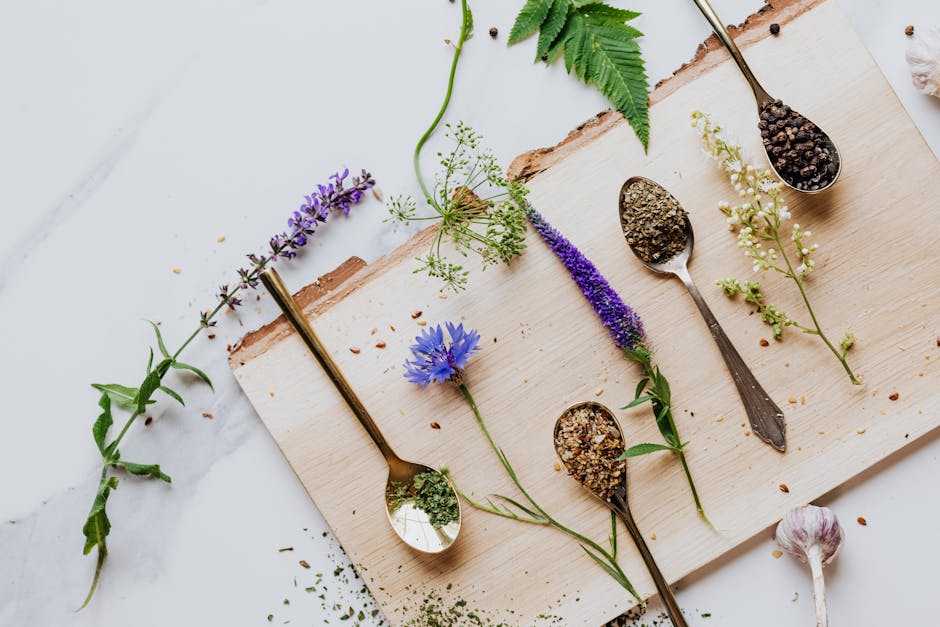
Did You Know These Herbs Have Medicinal Benefits?

Did You Know These Herbs Have Medicinal Benefits?

⏱️ 5 min read

The kitchen spice rack holds more than just flavor enhancers. Many common culinary herbs possess remarkable medicinal properties that have been utilized for centuries in traditional medicine systems worldwide. Modern scientific research continues to validate what ancient healers knew intuitively—that the herbs used to season meals can also support health and wellness in meaningful ways.

Understanding the therapeutic potential of everyday herbs bridges the gap between nutrition and natural medicine. These botanical powerhouses contain bioactive compounds that can address various health concerns, from digestive discomfort to inflammation. Incorporating these herbs into daily cooking routines provides an accessible, enjoyable method for supporting overall well-being while enhancing the taste of food.

Turmeric: The Golden Anti-Inflammatory

Turmeric stands as one of the most extensively researched medicinal herbs in modern science. The vibrant yellow spice contains curcumin, a compound with potent anti-inflammatory and antioxidant properties. Studies have demonstrated that curcumin can help reduce inflammation markers in the body, potentially benefiting conditions such as arthritis, metabolic syndrome, and inflammatory bowel diseases.

This golden spice has been a cornerstone of Ayurvedic medicine for over 4,000 years. Beyond its anti-inflammatory effects, turmeric shows promise in supporting brain health, cardiovascular function, and immune system regulation. The compound may also help improve symptoms of depression and support liver detoxification processes.

For optimal absorption, turmeric should be consumed with black pepper, which contains piperine—a compound that enhances curcumin bioavailability by up to 2,000 percent. Adding healthy fats to turmeric-containing dishes also improves absorption, making golden milk and curry dishes particularly effective delivery methods.

Ginger: Digestive Aid and Nausea Reliever

Ginger has earned its reputation as a powerful digestive aid and anti-nausea remedy. The rhizome contains gingerol and shogaol, bioactive compounds responsible for its medicinal effects. Clinical trials have confirmed ginger's effectiveness in reducing nausea associated with pregnancy, chemotherapy, and motion sickness.

Beyond digestive support, ginger demonstrates significant anti-inflammatory properties that may help reduce muscle pain and soreness. Regular consumption has been associated with improved blood sugar regulation and reduced menstrual pain. The herb also shows potential in lowering cholesterol levels and supporting cardiovascular health.

Fresh ginger can be grated into stir-fries, steeped as tea, or juiced for concentrated benefits. Dried ginger powder retains many medicinal properties and provides convenient year-round access to this versatile herb.

Garlic: Cardiovascular Protector

Garlic transcends its role as a flavor base in countless cuisines to serve as a potent medicinal ally. When crushed or chopped, garlic produces allicin, a sulfur compound with impressive health benefits. Research indicates that regular garlic consumption can help lower blood pressure, reduce cholesterol levels, and support overall cardiovascular health.

The herb possesses antimicrobial properties that can help fight bacterial, viral, and fungal infections. Historical records show garlic being used to prevent infection in wounds during wartime. Modern studies suggest it may boost immune function and reduce the severity and duration of common colds.

To maximize medicinal benefits, crush or chop garlic and allow it to sit for 10 minutes before cooking. This resting period enables enzyme reactions that produce allicin. Raw garlic provides the most potent effects, though cooked garlic still retains valuable health-promoting properties.

Rosemary: Brain and Memory Support

Rosemary contains compounds that may enhance cognitive function and protect brain health. The herb is rich in carnosic acid, which has been shown to combat free radical damage in the brain. Research suggests that rosemary aromatherapy and consumption may improve concentration, memory, and overall cognitive performance.

This fragrant herb also demonstrates anti-inflammatory and antimicrobial properties. It contains compounds that may support digestive health and help regulate blood sugar levels. Rosemary has traditionally been used to relieve muscle pain and support circulatory health.

Fresh or dried rosemary can be added to roasted vegetables, soups, and meat dishes. Rosemary tea offers a caffeine-free way to enjoy its cognitive benefits throughout the day.

Cinnamon: Blood Sugar Regulator

Cinnamon provides more than warm, sweet flavor—it offers significant metabolic benefits. Studies have demonstrated that cinnamon can help improve insulin sensitivity and lower blood sugar levels, making it particularly valuable for individuals managing diabetes or metabolic syndrome.

The spice contains powerful antioxidants that protect against oxidative stress and inflammation. Cinnamon has demonstrated antimicrobial properties and may help fight various infections. Some research suggests it could support heart health by reducing risk factors such as high cholesterol and triglyceride levels.

Ceylon cinnamon, often called "true cinnamon," contains lower levels of coumarin compared to the more common Cassia variety, making it preferable for regular consumption in therapeutic amounts.

Oregano: Antimicrobial Powerhouse

Oregano contains carvacrol and thymol, compounds with potent antimicrobial properties. Research has shown that oregano oil can combat various bacteria, fungi, and parasites. The herb demonstrates particular effectiveness against food-borne pathogens and may help support gut health.

Rich in antioxidants, oregano provides cellular protection and anti-inflammatory benefits. The herb has traditionally been used to support respiratory health and may help alleviate symptoms of coughs and bronchial congestion.

Integrating Medicinal Herbs Into Daily Life

Incorporating these herbs into regular cooking routines provides a practical approach to preventive health care. Using fresh herbs whenever possible maximizes nutritional content, though dried herbs retain significant medicinal properties. Growing common herbs in kitchen gardens ensures fresh supply and optimal potency.

While these herbs offer legitimate health benefits, they should complement rather than replace conventional medical treatment. Consulting healthcare providers before using herbs therapeutically remains important, especially for individuals taking medications or managing chronic conditions. The intersection of culinary tradition and medicinal wisdom demonstrates that food truly can be medicine.