
⏱️ 6 min read
Every culture around the world has developed signature dishes that tell stories of heritage, geography, and generations of culinary wisdom. These traditional foods transcend mere sustenance, becoming symbols of national identity and cultural pride. From ancient recipes passed down through centuries to dishes that have shaped entire cuisines, certain traditional foods have achieved iconic status that resonates far beyond their countries of origin. This exploration celebrates ten of the most recognizable and influential traditional dishes that have captivated palates worldwide.
Timeless Culinary Treasures from Around the Globe
1. Italian Pizza from Naples
Originating in Naples during the 18th century, pizza has become one of the most universally recognized foods on the planet. The traditional Neapolitan pizza, with its simple combination of dough, San Marzano tomatoes, mozzarella cheese, fresh basil, and olive oil, represents the perfect marriage of quality ingredients and artisanal technique. The Pizza Margherita, created in 1889 to honor Queen Margherita of Savoy, features the colors of the Italian flag and exemplifies the philosophy that great food doesn’t require complexity. UNESCO recognized the art of Neapolitan pizza-making as an intangible cultural heritage in 2017, cementing its status as a cultural treasure.
2. Japanese Sushi
Sushi’s transformation from a preservation method to an art form represents one of the most remarkable culinary evolutions in history. Originally developed as a way to ferment fish with rice in Southeast Asia, sushi evolved in Japan into the refined delicacy recognized today. The Edo-style nigiri sushi, featuring hand-pressed rice topped with fresh fish, emerged in Tokyo during the 19th century. This traditional food requires years of training to master, with sushi chefs dedicating themselves to perfecting rice preparation, fish selection, and knife skills. The precision, seasonality, and respect for ingredients embodied in sushi have influenced culinary approaches worldwide.
3. Indian Biryani
Biryani stands as one of the most beloved dishes across the Indian subcontinent, with origins tracing back to the Mughal Empire. This layered rice dish combines basmati rice with marinated meat, aromatic spices, saffron, and herbs, creating a complex symphony of flavors. Each region has developed its distinct style, from the fragrant Hyderabadi biryani to the subtle Lucknowi version. The cooking technique of dum, where the pot is sealed and slow-cooked, allows flavors to meld perfectly. Biryani represents the rich cultural fusion that characterizes Indian cuisine, blending Persian influences with local traditions.
4. French Croissants
The buttery, flaky croissant has become synonymous with French breakfast culture, despite its Austrian origins. The viennoiserie arrived in France during the 19th century and was perfected by French bakers who developed the lamination technique that creates its characteristic layers. Traditional croissant-making requires folding butter into dough multiple times, creating hundreds of delicate layers that puff up during baking. The crescent-shaped pastry represents French dedication to technique and the elevation of simple ingredients into something extraordinary. Authentic croissants must contain specific butter percentages and follow strict preparation methods to earn the artisanal designation.
5. Mexican Tacos
Tacos embody thousands of years of Mexican culinary tradition, with roots extending back to pre-Hispanic civilizations. The combination of corn tortillas with various fillings represents the foundation of Mexican cuisine. From tacos al pastor, influenced by Lebanese immigrants, to traditional carnitas and fish tacos from Baja California, this versatile food adapts to regional ingredients while maintaining its essential character. The nixtamalization process of treating corn with lime water to make tortillas remains unchanged from ancient times, connecting modern taco culture with ancestral traditions. Tacos represent community, celebration, and the Mexican philosophy of fresh, flavorful food.
6. Chinese Peking Duck
Peking Duck has graced imperial banquets and special occasions in China for over 600 years. This elaborate dish from Beijing requires meticulous preparation, including air-drying, glazing, and roasting in special ovens to achieve its signature crispy skin and tender meat. The traditional serving method involves carving the duck tableside and serving it with thin pancakes, spring onions, cucumber, and sweet bean sauce. The preparation process can take several days, reflecting the Chinese culinary principle that great food requires patience and skill. Peking Duck represents the pinnacle of Chinese roasting techniques and remains a must-try experience for visitors to Beijing.
7. Turkish Kebabs
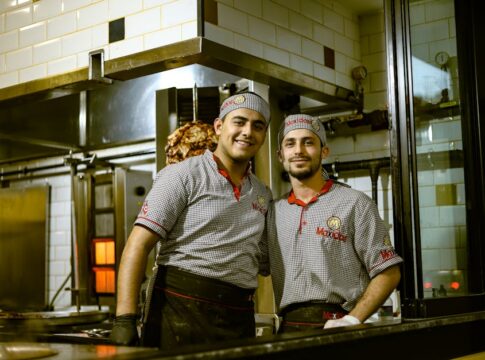
The various forms of kebab found throughout Turkey and the broader Middle East represent ancient cooking methods that have endured for millennia. From the vertical döner kebab to the grilled şiş kebab and the spiced köfte, these dishes showcase the Turkish mastery of meat preparation and spice blending. The tradition of slow-roasting meat over fire dates back to nomadic cultures, and each region has developed unique marinades and cooking techniques. Turkish kebabs have influenced cuisines worldwide, spawning countless variations while the authentic versions continue to be prepared using traditional methods passed down through generations.
8. Thai Pad Thai
Despite being relatively modern, Pad Thai has become the international ambassador of Thai cuisine. Created during the 1930s as part of a nationalistic campaign to establish a Thai national identity, this stir-fried noodle dish perfectly balances the four fundamental Thai flavors: sweet, sour, salty, and spicy. The combination of rice noodles, tamarind paste, fish sauce, dried shrimp, eggs, and fresh vegetables topped with peanuts and lime represents the Thai philosophy of harmony in food. Pad Thai demonstrates how traditional ingredients and cooking techniques can be combined to create something that resonates across cultures.
9. Spanish Paella
Paella originated in the Valencia region of Spain, where it was traditionally cooked over open flames by farmers and laborers. The iconic dish combines short-grain rice with saffron, creating the characteristic golden color, while traditional Valencian paella includes rabbit, chicken, and local beans. Seafood paella, though not traditional, has become popular in coastal regions. The wide, shallow pan design allows rice to cook in a thin layer, creating the prized socarrat, the crispy bottom layer that paella masters strive to achieve. Paella represents communal dining and the Spanish tradition of gathering around food.
10. American Barbecue
American barbecue encompasses diverse regional styles, from Texas brisket to Carolina pulled pork, each reflecting local history, available woods, and cultural influences. The tradition of slow-smoking meat over wood fire connects to both indigenous American practices and influences brought by enslaved Africans. Traditional barbecue requires patience, with meats smoking for hours or even overnight at low temperatures, allowing smoke and spices to penetrate deeply. Regional variations in sauces, rubs, and preferred meats create distinct barbecue cultures, whether it’s Kansas City’s molasses-based sauce or Memphis’s dry rubs. This iconic American food represents regional pride and the social tradition of outdoor cooking.
The Lasting Legacy of Traditional Foods
These ten iconic traditional foods demonstrate how culinary creations can transcend their origins to become cultural ambassadors. Each dish carries within it centuries of refinement, adaptation, and cultural significance. They represent not just recipes, but living traditions that continue to evolve while maintaining connections to their heritage. Whether through the careful lamination of a croissant, the precise seasoning of biryani, or the patient smoking of barbecue, these foods remind us that cooking is both art and history. Their enduring popularity proves that authentic flavors and time-honored techniques continue to captivate people across generations and geographical boundaries, making them truly iconic elements of our global culinary heritage.