
⏱️ 5 min read
The kitchen is filled with time-honored advice passed down through generations, but not all cooking wisdom stands up to scientific scrutiny. Many widely believed cooking myths have been debunked by food scientists and culinary experts, yet they continue to influence how people prepare food today. Understanding the truth behind these misconceptions can improve cooking techniques, save time, and produce better-tasting results.
Searing Meat Does Not Seal in Juices
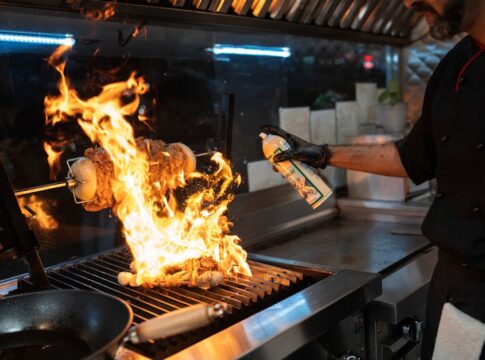
One of the most persistent myths in cooking is that searing meat at high temperatures creates a seal that locks in moisture. This belief has been thoroughly disproven through scientific testing. When meat is seared, the high heat causes the surface proteins to brown through the Maillard reaction, creating delicious flavors and appealing color. However, this process does not create any kind of barrier that prevents moisture loss.
In fact, searing actually causes meat to lose more moisture initially due to the intense heat. The real reason to sear meat is for flavor development and texture contrast. The caramelized crust adds complexity and depth to dishes. To truly keep meat juicy, proper cooking temperature and resting time are far more important factors than searing.
Adding Oil to Pasta Water Serves No Purpose
Many home cooks add olive oil to boiling pasta water believing it prevents the pasta from sticking together. This practice is largely ineffective and wasteful. Oil floats on top of the water and has minimal contact with the pasta while it cooks. The starch released from pasta is water-soluble, not oil-soluble, so the oil cannot prevent sticking during the cooking process.
The best way to prevent pasta from clumping is to use plenty of water, stir occasionally during the first few minutes of cooking, and avoid rinsing the pasta after draining. The starch that coats cooked pasta actually helps sauce adhere better. Adding oil to pasta water can even be counterproductive, as it may coat the drained pasta and prevent sauce from clinging properly.
Alcohol Does Not Completely Evaporate During Cooking
Contrary to popular belief, adding wine, beer, or spirits to a dish does not mean all the alcohol content disappears during cooking. Studies have shown that varying amounts of alcohol remain depending on cooking method and duration. A dish that simmers for 15 minutes retains approximately 40% of its original alcohol content, while even after two hours of cooking, about 10% remains.
This information is particularly important for those avoiding alcohol for health, religious, or recovery reasons. Quick cooking methods like flambéing retain even more alcohol—around 75%. Only prolonged cooking times of three hours or more reduce alcohol content to negligible amounts.
Washing Mushrooms Will Not Make Them Soggy
The culinary world has long advised against washing mushrooms, claiming they absorb water like sponges and become waterlogged. Research has proven this concern to be largely unfounded. Tests conducted by food scientists show that mushrooms absorb minimal water even when briefly rinsed or soaked.
Mushrooms are already composed of approximately 90% water, and their cellular structure does not readily absorb additional moisture during quick washing. A brief rinse under running water removes dirt and debris without significantly impacting texture or cooking properties. The myth likely persists because some cooks confuse the natural moisture mushrooms release during cooking with water absorption.
Room Temperature Ingredients Are Not Always Necessary
Baking recipes frequently specify using room temperature eggs, butter, and dairy products, leading many to believe this is absolutely essential for success. While room temperature ingredients do blend more easily and create better emulsions in certain recipes, the difference is not as critical as often suggested.
For many everyday baking projects, slightly cool ingredients work perfectly fine. The room temperature rule is most important for recipes requiring creaming butter and sugar or creating stable emulsions like in cake batters. For cookies, quick breads, and many other baked goods, cold ingredients can be used successfully with minor adjustments to mixing time.
Salt Does Not Make Water Boil Faster
Adding salt to water before boiling is a common practice, with many believing it helps water reach boiling temperature more quickly. The truth is that salt actually raises the boiling point of water slightly, meaning salted water takes marginally longer to boil, not faster. The amount of salt used in typical cooking has such a minimal effect that the difference is practically imperceptible.
The real reason to salt pasta or vegetable water is for flavor enhancement. Salt seasons food from within as it cooks, creating better-tasting results than salting after cooking. The proper time to add salt is a matter of convenience rather than boiling speed.
Wooden Cutting Boards Are Not Less Sanitary Than Plastic
Many people believe plastic cutting boards are more hygienic than wooden ones because they can be sanitized in dishwashers. However, research indicates that wooden cutting boards are equally safe, if not safer. Wood has natural antimicrobial properties, and bacteria that penetrate the surface often die rather than multiply.
Studies have shown that wooden boards do not harbor more bacteria than plastic ones when properly maintained. Both types require regular cleaning with hot soapy water and periodic sanitizing. The key to safety with any cutting board is proper cleaning, allowing it to dry thoroughly, and replacing it when deep grooves develop that cannot be adequately cleaned.
Understanding the facts behind these common cooking myths empowers home cooks to make better decisions in the kitchen based on science rather than folklore. While tradition has its place in cooking, separating fact from fiction leads to improved techniques and more consistent results.