






1 / 10 Questions
0 Points

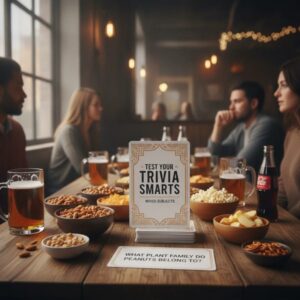
Which U.S. State Reaches Farthest East?

Maine

Rhode Island

Alaska

Florida

Points won
0
Correct score
0%

More Questions

More Articles

Did You Know These Drinks Were Banned for Royalty?

Did You Know These Drinks Were Banned for Royalty?

⏱️ 5 min read

Throughout history, royal courts have implemented strict dietary restrictions and beverage bans for various reasons ranging from health concerns to political strategy. While commoners enjoyed certain drinks freely, monarchs and their families often faced surprising prohibitions that shaped their daily lives and influenced broader cultural practices. These restrictions reveal fascinating insights into historical medical beliefs, social hierarchies, and the complex relationship between power and personal freedom.

Coffee: The Controversial Stimulant That Threatened Royal Authority

In 17th century Europe, coffee became one of the most controversial beverages among royal circles. King Charles II of England attempted to ban coffee houses in 1675, viewing them as breeding grounds for political dissent and conspiracy against the crown. While this ban technically applied to establishments rather than the drink itself, it effectively restricted royal family members from openly consuming coffee in public settings.

The Swedish royal family faced even more direct restrictions. King Gustav III was so convinced of coffee's harmful effects that he commissioned elaborate experiments in the 1700s to prove its toxicity. Royal physicians advised against consumption, and members of the Swedish court were discouraged from drinking it. This skepticism stemmed from coffee's stimulant properties, which were believed to cause nervousness and erratic behavior unsuitable for dignified royals.

Tea: The Chinese Imperial Prohibition

During certain periods of Chinese history, specific types of tea were reserved exclusively for the emperor, making them effectively banned for everyone else, including lower-ranking royalty. The rare and prized Da Hong Pao tea from the Wuyi Mountains was considered so precious that only the emperor could authorize its consumption. Any unauthorized use could result in severe punishment.

Additionally, during the Ming Dynasty, certain fermented teas were temporarily banned from the imperial court due to concerns about their production methods and potential health risks. Court physicians worried that improperly aged teas could cause digestive problems or worse, leading to strict regulations about which varieties could grace royal tables.

Alcohol Restrictions in Islamic Royal Courts

Islamic royal families throughout history have maintained strict prohibitions against alcohol consumption based on religious law. From the Ottoman sultans to various Persian shahs, Muslim rulers were expected to abstain from alcoholic beverages entirely. This ban extended to all members of the royal household and was considered a matter of both religious duty and political legitimacy.

The Ottoman court maintained particularly stringent enforcement of this prohibition. While some European royals might privately indulge in forbidden drinks, Ottoman sultans faced enormous pressure to maintain their reputation as defenders of Islamic law. Any rumor of alcohol consumption could undermine their authority and provide ammunition to political rivals.

Chocolate: From Sacred Drink to Royal Restriction

The history of chocolate as a beverage presents a unique case of reversed prohibition. Initially, when chocolate arrived in Europe from the Americas, it was so expensive that only royalty and the extremely wealthy could afford it. However, the Catholic Church debated whether chocolate broke religious fasts, leading some royal families to restrict its consumption during Lent and other holy periods.

In pre-Columbian Mesoamerica, cacao beverages were reserved for nobility, warriors, and priests. Common people were strictly forbidden from consuming chocolate drinks, making it one of the earliest examples of beverage-based class distinction. This prohibition was so严格 that violations could result in death.

Champagne and Sparkling Wine Controversies

During the 17th century, some royal courts banned or heavily restricted champagne and sparkling wines due to safety concerns. The fermentation process was poorly understood, and bottles frequently exploded, causing injuries and deaths. Several European royal families prohibited these drinks from their cellars until production methods improved.

The pressure inside champagne bottles earned them the nickname "devil's wine" in some courts. Royal physicians warned that the effervescence could cause digestive distress and that the unpredictable nature of the bottles made them unsuitable for noble consumption.

Water: The Surprisingly Dangerous Royal Beverage

Paradoxically, plain water was often discouraged or effectively banned in royal courts throughout medieval and Renaissance Europe. Contaminated water supplies caused numerous diseases, leading court physicians to recommend that royals consume only wine, beer, or boiled beverages. Drinking plain water was considered a sign of poverty and a genuine health risk.

Royal children were particularly restricted from drinking water. They were given watered-down wine or small beer instead, as these fermented beverages were safer than untreated water sources. This practice continued in some royal households well into the 18th century.

The Legacy of Royal Beverage Restrictions

These historical prohibitions reveal how royal families navigated the intersection of health, politics, religion, and social status. Many restrictions that seem arbitrary today were based on legitimate safety concerns given the medical knowledge of the time. Others reflected the political necessity of maintaining religious authority or preventing the spread of seditious ideas in coffee houses and taverns.

Modern royal families maintain far fewer beverage restrictions, though some traditions persist. The British royal family, for example, traditionally avoids tap water when traveling abroad, and certain monarchies still observe religious prohibitions. These remnants of historical practices remind us that even the most powerful individuals in society have always faced constraints on their personal choices, sometimes in the most unexpected ways.
Did You Know These Quick Facts About Famous People?

Did You Know These Quick Facts About Famous People?

⏱️ 5 min read

Throughout history, famous individuals have captivated public imagination not only through their achievements but also through the fascinating details of their personal lives. While most people know the major accomplishments of celebrities, historical figures, and cultural icons, countless surprising facts remain hidden from common knowledge. These lesser-known details often reveal the humanity, quirks, and unexpected talents of people who have shaped our world.

Scientific Minds With Surprising Hobbies

Albert Einstein, widely regarded as one of the greatest physicists of all time, had a passionate relationship with music that many overlook. He began playing violin at age six and continued throughout his life, often stating that if he hadn't become a physicist, he would have been a musician. Einstein claimed that his scientific breakthroughs often came while playing his violin, which he affectionately named "Lina." This connection between music and mathematics demonstrates how creative pursuits can enhance logical thinking.

Marie Curie, the pioneering scientist who discovered radium and polonium, remains the only person to win Nobel Prizes in two different scientific fields: Physics in 1903 and Chemistry in 1911. What many don't realize is that she was also the first woman to become a professor at the University of Paris. Despite her groundbreaking achievements, Curie faced significant gender discrimination throughout her career and was initially denied membership in the French Academy of Sciences simply because she was a woman.

Literary Legends and Their Unusual Habits

Charles Dickens had an peculiar habit that influenced his writing process. He always slept facing north and believed that this alignment with the Earth's magnetic field enhanced his creativity. The famous author would carry a compass to ensure his bed was properly positioned, even when traveling. Additionally, Dickens was known for walking up to 20 miles through London streets at night, observing the city's inhabitants and gathering inspiration for his vivid characters.

Agatha Christie, the best-selling novelist of all time, developed many of her intricate murder mystery plots while taking baths. She would eat apples in the bathtub and let her mind wander through various scenarios of crime and detection. Christie's works have sold over two billion copies worldwide, making her one of the most translated authors in history, with her books available in more than 100 languages.

Presidential Peculiarities

Theodore Roosevelt, the 26th President of the United States, was an voracious reader who could finish an entire book before breakfast and often read two or three books daily. His personal library contained tens of thousands of volumes, and he maintained this reading habit even during his busiest days in the White House. Roosevelt was also known for his "strenuous life" philosophy, regularly engaging in boxing, judo, and horseback riding well into his presidency.

Abraham Lincoln held a patent, making him the only U.S. president to do so. In 1849, he received Patent Number 6469 for a device designed to lift boats over shoals using inflatable bellows. Though the invention was never manufactured, it demonstrates Lincoln's innovative thinking beyond his political acumen. He also kept important documents tucked inside his iconic stovepipe hat, using it as a portable filing system.

Artistic Talents Beyond the Canvas

Leonardo da Vinci wrote all his personal notes in mirror writing, from right to left. While some historians believe this was to keep his ideas secret, others suggest he did this naturally as a left-handed person to avoid smudging the ink. Beyond his artistic masterpieces, da Vinci was an accomplished musician and reportedly had a beautiful singing voice. He could play the lyre skillfully and often improvised songs at social gatherings.

Pablo Picasso's full name contained 23 words, honoring various saints and relatives: Pablo Diego José Francisco de Paula Juan Nepomuceno María de los Remedios Cipriano de la Santísima Trinidad Martyr Patricio Clito Ruíz y Picasso. The prolific artist created approximately 50,000 artworks during his lifetime, including paintings, drawings, sculptures, and ceramics. His first word was reportedly "piz," short for lápiz, the Spanish word for pencil.

Musical Prodigies and Their Hidden Talents

Wolfgang Amadeus Mozart had an extraordinary ability called perfect pitch and could identify any musical note without a reference tone. However, he also possessed a mischievous personality and enjoyed billiards, dancing, and keeping unusual pets. Mozart owned a pet starling that could sing part of his Piano Concerto in G Major, and when the bird died, he held an elaborate funeral procession and wrote a commemorative poem.

Ludwig van Beethoven continued composing masterpieces even after becoming completely deaf. He would cut the legs off his piano and place it on the floor, then lie down while playing so he could feel the vibrations through the floorboards. This tactile approach to music allowed him to create some of his greatest works, including his Ninth Symphony, which he composed while entirely unable to hear.

Modern Icons With Unexpected Backgrounds

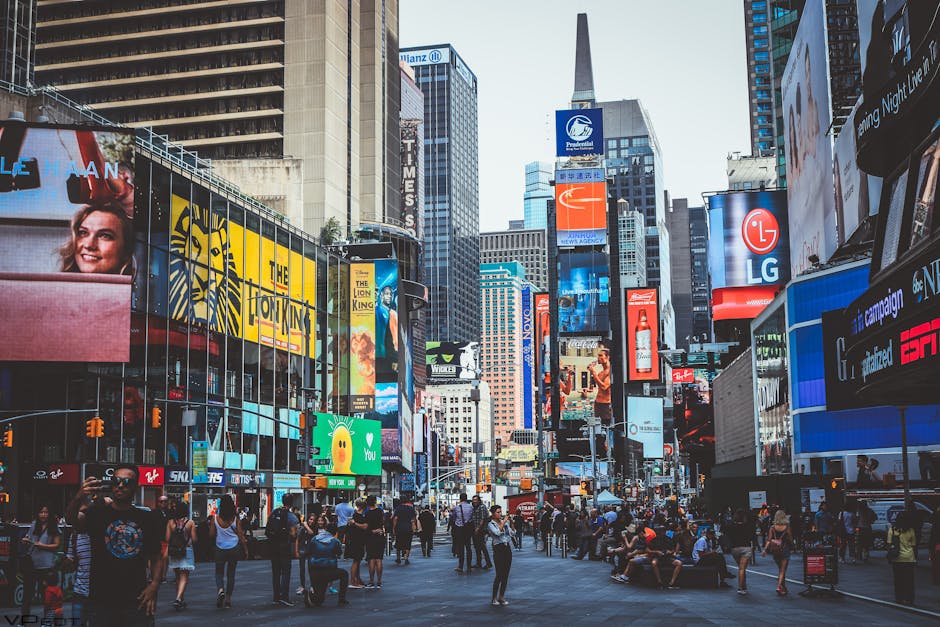
Before becoming a global music sensation, Madonna worked at Dunkin' Donuts in Times Square, though she was fired after one week for squirting jelly filling on customers. She arrived in New York City with only $35 in her pocket, determined to make it in the entertainment industry. Her perseverance and business acumen eventually made her one of the wealthiest self-made women in entertainment history.

These fascinating details about famous individuals remind us that greatness often comes with quirks, challenges, and unexpected dimensions. Understanding these human elements makes historical figures more relatable and their achievements even more remarkable, proving that extraordinary people often have extraordinary stories beyond their public accomplishments.