










1 / 10 Questions
0 Points

Which Famous Festival Happened 60 Miles From Its Name?

Woodstock

Burning Man

Lollapalooza

Coachella

Points won
0
Correct score
0%

More Questions

More Articles

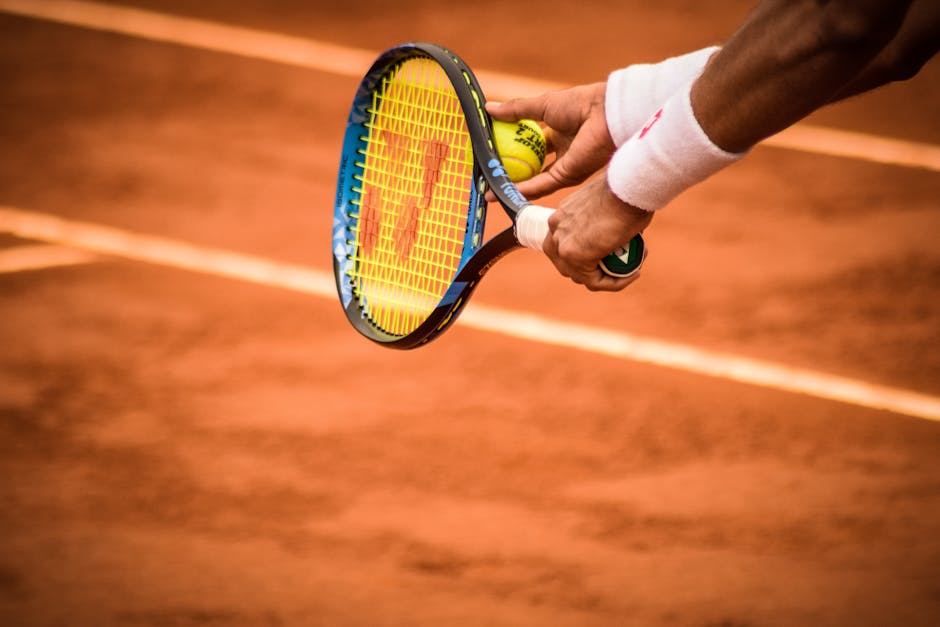
Top 10 Most Surprising Facts About Tennis Legends

Top 10 Most Surprising Facts About Tennis Legends

⏱️ 6 min read

The world of professional tennis has produced some of the most iconic athletes in sporting history. While fans may know their favorite players' Grand Slam victories and career statistics, the personal stories and lesser-known facts about these champions often remain hidden from public view. Behind the perfectly executed serves and championship trophies lie fascinating tales that reveal the human side of these sporting icons. From unusual pre-match rituals to unexpected talents beyond the court, tennis legends have accumulated stories that continue to surprise even their most devoted followers.

Remarkable Revelations from Tennis History

1. Roger Federer's Ball Boy Experience at His Home Tournament

Before becoming one of the greatest players in tennis history, Roger Federer worked as a ball boy at the Swiss Indoors Basel tournament, the very event he would later win ten times as a professional. The young Federer collected balls for his idol Stefan Edberg during matches, never imagining that he would one day surpass his hero's achievements. This humble beginning at his hometown tournament shaped Federer's appreciation for every role in professional tennis, and he has often spoken about the importance of ball kids in maintaining the flow of matches.

2. Serena Williams' Secret Career as a Nail Salon Owner

Beyond her dominance on the court, Serena Williams ventured into the beauty industry by investing in and helping design a chain of nail salons. Her passion for nail art and fashion extended well beyond personal interest, as she actively participated in creating unique designs and color combinations for her salons. This business endeavor demonstrated her entrepreneurial spirit and showed a creative side that many fans never associated with the fierce competitor who won 23 Grand Slam singles titles.

3. Bjorn Borg's Retirement at Age 26

In one of the most shocking decisions in tennis history, Swedish legend Bjorn Borg retired from professional tennis at just 26 years old, at the peak of his abilities. With 11 Grand Slam titles already to his name and potentially many more years of competition ahead, Borg walked away from the sport, citing burnout and loss of motivation. He had been playing professional tennis since age 14, and the constant pressure and travel had taken their toll. His premature retirement remains one of sport's great "what if" scenarios, as many experts believe he could have won 20 or more Grand Slam titles had he continued.

4. Arthur Ashe's Secret Heart Surgery During His Playing Career

Arthur Ashe, the first African American man to win Wimbledon, the US Open, and the Australian Open, underwent heart bypass surgery in 1979 while still an active player. Remarkably, he kept this major health issue private and returned to competition, continuing to play at a high level before eventually retiring in 1980. Later, he contracted HIV from a blood transfusion during a second heart surgery, which he also kept private for years. His courage in facing these health challenges while maintaining his dignity and continuing his advocacy work exemplified his extraordinary character.

5. Maria Sharapova's Inability to Legally Drive in the United States

Despite living in the United States from age seven and earning millions competing worldwide, Maria Sharapova didn't obtain a U.S. driver's license until her mid-twenties. The Russian champion had been so focused on tennis from childhood that learning to drive independently never became a priority. She was chauffeured to practice sessions and tournaments, making driving unnecessary for most of her teenage and early adult years. When she finally learned to drive, she admitted to being nervous about navigating American highways.

6. Rafael Nadal's Crippling Pre-Match Anxiety

One of the toughest competitors in tennis history, Rafael Nadal has publicly discussed his severe pre-match nervousness that sometimes makes him feel physically ill before important matches. Despite winning 22 Grand Slam titles, the Spanish champion experiences such intense anxiety that he has difficulty eating before matches and must follow strict pre-match routines to calm his nerves. His ability to transform this nervous energy into focused intensity on court demonstrates remarkable mental fortitude that belies the butterflies he experiences before stepping onto the court.

7. Martina Navratilova's Defection and Stateless Period

In 1975, at age 18, Martina Navratilova defected from Czechoslovakia during the US Open, seeking political asylum in the United States. For several years, she lived as a stateless person without citizenship in any country, as Czechoslovakia revoked her citizenship and she had not yet qualified for American citizenship. During this period, she faced uncertainty about her ability to travel for tournaments and visit her family. She eventually became a U.S. citizen in 1981, and decades later, reconciled with her homeland after the fall of communism, regaining her Czech citizenship as well.

8. Andre Agassi's Hairpiece Secret and Crystal Meth Use

In his revealing autobiography, Andre Agassi shocked the tennis world by admitting that his iconic 1990s hairstyle was partially a hairpiece, and that he once played a tournament worried it might fall off. Even more startling was his admission to using crystal methamphetamine in 1997 and lying to the ATP about a positive drug test, claiming his drink had been spiked. These confessions revealed the immense pressure and personal struggles behind his public image, showing a vulnerable side to the charismatic champion that fans had never seen during his playing career.

9. Venus Williams' Autoimmune Disease Diagnosis

In 2011, Venus Williams revealed that she had been diagnosed with Sjögren's syndrome, an autoimmune disease that causes fatigue and joint pain. The diagnosis explained her exhausted appearance and unexpected withdrawals from tournaments in the preceding months. Rather than retiring, Williams completely changed her lifestyle, adopting a raw vegan diet and modified training regimen. Her ability to continue competing at the highest level while managing a chronic illness, including reaching Grand Slam finals after her diagnosis, inspired countless people facing similar health challenges.

10. John McEnroe's Surprising Second Career as an Art Gallery Owner

The famously temperamental John McEnroe developed a sophisticated appreciation for contemporary art and became a serious art collector and gallery owner in New York City. His deep knowledge of artists and movements surprised those who only knew him for his on-court outbursts and tennis commentary. McEnroe has curated exhibitions, invested in emerging artists, and built a respected reputation in the art world that rivals his tennis legacy. This unexpected passion revealed an intellectual and cultured side that contrasted sharply with his "bad boy" image on the tennis court.

The Hidden Depths of Champions

These surprising facts about tennis legends remind us that even the most famous athletes are complex individuals with hidden struggles, unexpected talents, and fascinating personal journeys. Their achievements on the court represent only part of their stories, while their experiences with health challenges, career decisions, personal transformations, and pursuits beyond tennis reveal the full dimensionality of their lives. Whether facing autoimmune diseases, battling mental health issues, or pursuing creative passions, these champions demonstrated that greatness in sport often comes alongside very human vulnerabilities and interests. Understanding these lesser-known aspects of tennis legends deepens our appreciation not only for their athletic accomplishments but also for their resilience, creativity, and character in navigating life's challenges both on and off the court.
Top 10 Most Iconic Traditional Foods

Top 10 Most Iconic Traditional Foods

⏱️ 6 min read

Every culture around the world has developed distinctive culinary traditions that tell stories of history, geography, and shared human experience. These dishes transcend mere sustenance, becoming symbols of national identity and cultural heritage. From ancient recipes passed down through generations to preparations that have influenced global cuisine, certain traditional foods have achieved iconic status, recognized and celebrated far beyond their places of origin. This exploration delves into ten of the most renowned traditional dishes that have shaped the way we understand food, culture, and community.

The Foundation of Culinary Heritage

Traditional foods serve as edible archives, preserving techniques, ingredients, and flavors that might otherwise be lost to time. They represent the ingenuity of people who transformed locally available ingredients into dishes that nourished bodies and brought communities together. Understanding these iconic foods provides insight into the agricultural practices, trade routes, religious beliefs, and social structures that shaped civilizations.

1. Italian Pizza from Naples

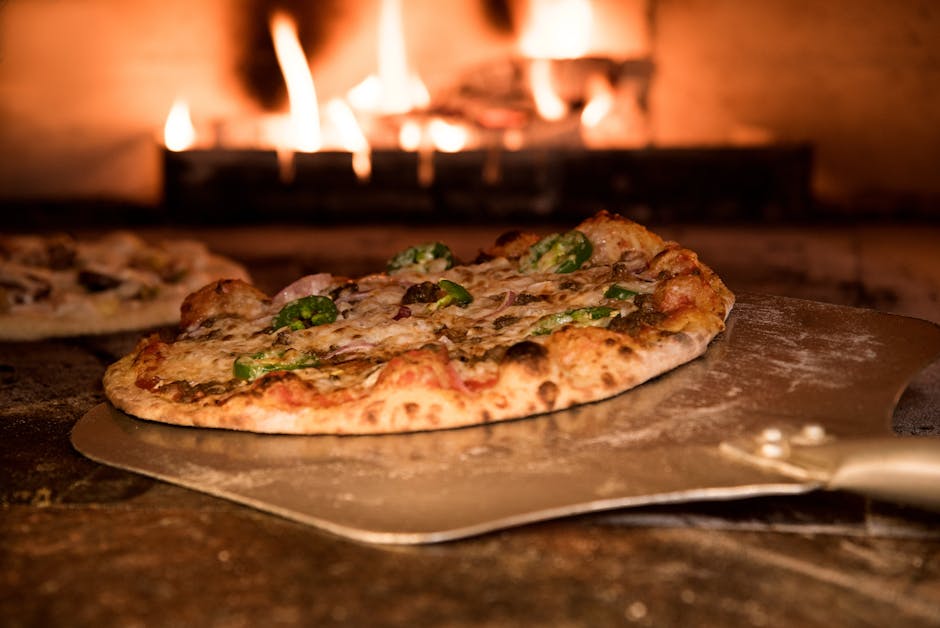
The Neapolitan pizza represents one of the most influential traditional dishes in culinary history. Originating in Naples, Italy, during the 18th century, this flatbread topped with tomatoes, mozzarella, basil, and olive oil became the template for countless variations worldwide. The authentic Neapolitan pizza is characterized by its thin, soft, elastic dough with a puffy cornicione (edge), cooked at extremely high temperatures in wood-fired ovens. The craft of Neapolitan pizza-making has been recognized by UNESCO as an Intangible Cultural Heritage, acknowledging its cultural significance and the traditional skills required for its preparation.

2. Japanese Sushi

Sushi evolved from an ancient preservation method into one of the world's most refined culinary arts. Originally developed as a way to preserve fish in fermented rice, sushi transformed dramatically during the Edo period when vinegared rice replaced fermentation, and fresh fish became the centerpiece. The preparation of sushi requires years of training to master knife techniques, rice preparation, and the delicate balance of flavors. Beyond its culinary excellence, sushi embodies Japanese aesthetic principles of simplicity, seasonality, and respect for ingredients, making it a cultural ambassador recognized globally.

3. Indian Biryani

Biryani represents the pinnacle of Mughal cuisine and remains one of South Asia's most celebrated dishes. This layered rice dish combines basmati rice with meat, vegetables, yogurt, and a complex blend of spices including saffron, cardamom, and cloves. The cooking technique involves partially cooking rice and meat separately before layering them in a pot and cooking them together in a sealed vessel, allowing the flavors to meld. Regional variations across India, Pakistan, and Bangladesh showcase different ingredients and techniques, but all share the characteristic aromatic richness that has made biryani a fixture at celebrations and special occasions for centuries.

4. French Croissants

The croissant stands as a symbol of French baking expertise and café culture. Despite its Austrian origins, the croissant became quintessentially French through the refinement of the lamination technique that creates its distinctive flaky layers. The process involves folding butter into dough multiple times to create hundreds of delicate layers that puff up during baking. A properly made croissant features a golden, crispy exterior with a tender, honeycomb interior. This pastry has become synonymous with French breakfast culture and represents the precision and artistry fundamental to French culinary traditions.

5. Mexican Tacos

Tacos embody the soul of Mexican cuisine, with roots stretching back to pre-Columbian times when indigenous peoples used corn tortillas to hold various fillings. The simplicity of a tortilla wrapped around a filling belies the incredible diversity of regional variations, from fish tacos in coastal areas to carnitas in central Mexico and cochinita pibil in the Yucatán. Each region's tacos reflect local ingredients, cooking methods, and cultural influences. The traditional preparation methods, such as nixtamalization for corn tortillas, demonstrate ancient food technologies that remain relevant today.

6. Chinese Peking Duck

Peking duck represents imperial Chinese cuisine at its most refined. This dish, with origins dating back to the Yuan Dynasty, involves a meticulous preparation process that can take several days. The duck is seasoned, air-dried, and roasted in a closed oven until the skin achieves a distinctive mahogany color and glass-like crispness. Traditionally served with thin pancakes, scallions, cucumber, and sweet bean sauce, Peking duck exemplifies the Chinese culinary philosophy of balancing textures, flavors, and presentation. The ritualistic carving and serving process adds to its status as a ceremonial dish.

7. Turkish Kebabs

Kebabs represent a cooking technique that has influenced cuisines across the Middle East, Central Asia, and beyond. Turkish kebabs, particularly varieties like Adana kebab and döner kebab, showcase the country's mastery of grilled and roasted meats. The tradition of cooking meat on skewers over open flames dates back centuries, developed by nomadic peoples who needed portable cooking methods. Turkish kebabs feature carefully seasoned minced or cubed meat, often lamb or beef, combined with spices like cumin, paprika, and sumac. The döner kebab, with meat stacked on a vertical rotisserie, has become a global fast-food phenomenon while maintaining its cultural significance.

8. Thai Pad Thai

Pad Thai emerged as Thailand's national dish during the 1930s and 1940s as part of a nation-building campaign, yet it has become authentically representative of Thai culinary principles. This stir-fried noodle dish perfectly balances the four fundamental flavors of Thai cuisine: sweet, sour, salty, and spicy. Rice noodles are stir-fried with eggs, tofu or shrimp, bean sprouts, and peanuts, flavored with tamarind paste, fish sauce, and palm sugar. The dish exemplifies the Thai approach to cooking that emphasizes balance, freshness, and the interplay of contrasting flavors and textures.

9. Spanish Paella

Paella originated in the Valencia region of Spain and has become an iconic symbol of Spanish cuisine worldwide. This rice dish, traditionally cooked in a wide, shallow pan over an open fire, combines short-grain rice with saffron, vegetables, and proteins such as chicken, rabbit, or seafood, depending on the regional variation. The most prized element is the socarrat, a caramelized crust that forms at the bottom of the pan. Paella represents communal dining traditions, often prepared for gatherings and celebrations, embodying the Spanish emphasis on sharing food and time with others.

10. Middle Eastern Hummus

Hummus has ancient roots in Middle Eastern cuisine, with variations claimed by multiple countries including Lebanon, Israel, Palestine, and Syria. This simple yet profound dish combines cooked chickpeas blended with tahini, lemon juice, garlic, and olive oil into a creamy spread. Beyond its delicious taste and nutritional value, hummus represents shared culinary heritage across the Middle East and has become a global phenomenon. The preparation methods vary by region and family, with debates over texture, proportions, and garnishes reflecting the deep cultural significance attached to this seemingly simple dish.

Cultural Significance and Global Impact

These ten iconic traditional foods demonstrate how culinary traditions transcend borders while maintaining their cultural authenticity. Each dish tells a story of human ingenuity, adaptation, and the universal importance of food in creating community bonds. As these foods have spread globally, they've maintained their essential character while adapting to new contexts, proving that great traditional foods possess both timeless appeal and the flexibility to evolve. They remind us that food is never just about nutrition—it's about identity, memory, and the connections that sustain us across generations and continents.