











1 / 10 Questions
0 Points

Which Food Did The Supreme Court Legally Call A Vegetable?

Cucumber

Bell Pepper

Tomato

Avocado

Points won
0
Correct score
0%

More Questions

More Articles

Top 10 Most Valuable Sports Franchises

Top 10 Most Valuable Sports Franchises

⏱️ 6 min read

The global sports industry has evolved into a multi-billion dollar enterprise, with elite franchises commanding valuations that rival major corporations. These organizations represent more than just athletic competition; they embody powerful brands with massive fan bases, lucrative media deals, and state-of-the-art facilities that generate extraordinary revenue streams. The most valuable sports franchises have become economic powerhouses that influence local economies and captivate audiences across continents.

The Elite Tier of Sports Franchise Valuations

1. Dallas Cowboys: America's Team Commands the Throne

The Dallas Cowboys consistently rank as the world's most valuable sports franchise, with a valuation exceeding $9 billion. Despite not winning a Super Bowl since 1996, the Cowboys maintain an unparalleled brand presence in American sports. Their value stems from massive revenue streams including AT&T Stadium operations, extensive merchandising agreements, and a media presence that transcends traditional NFL markets. The franchise's iconic star logo and historic success have created a global fan base that remains fiercely loyal across generations.

2. New York Yankees: Baseball's Pinnacle Franchise

Valued at approximately $7.1 billion, the New York Yankees represent baseball's most prestigious and profitable franchise. With 27 World Series championships and a location in the world's largest media market, the Yankees benefit from premium ticket sales, the YES Network broadcasting deal, and worldwide merchandise recognition. Yankee Stadium serves as both a tourist destination and revenue generator, while the team's storied history featuring legends like Babe Ruth, Joe DiMaggio, and Derek Jeter continues to attract sponsors and fans globally.

3. Golden State Warriors: Silicon Valley's Basketball Empire

The Warriors' valuation has skyrocketed to around $7 billion, reflecting their recent dynasty and strategic location in the San Francisco Bay Area. Multiple NBA championships in the 2010s transformed the franchise into a global phenomenon, while the Chase Center arena opened new revenue opportunities in one of America's wealthiest regions. The team's proximity to tech industry titans has created unique sponsorship opportunities and a fan base with exceptional purchasing power, elevating the franchise beyond traditional basketball markets.

4. New England Patriots: Building Dynasty-Level Value

With a valuation near $6.4 billion, the New England Patriots exemplify how sustained success translates to financial dominance. Six Super Bowl victories under the Tom Brady-Bill Belichick era established the Patriots as the NFL's modern dynasty. Gillette Stadium, owned by the Kraft family rather than leased, provides complete control over revenue generation. The franchise's international following, particularly strong in Mexico and the United Kingdom, demonstrates how winning championships creates lasting brand equity that extends far beyond regional boundaries.

5. New York Knicks: Maximizing Market Potential Despite Performance

Despite decades of on-court struggles, the New York Knicks maintain a valuation of approximately $6.1 billion, showcasing the power of market location. Playing at Madison Square Garden in Manhattan provides unmatched visibility and attracts corporate sponsorships from global companies. The franchise benefits from one of sports' most passionate fan bases willing to pay premium prices even during losing seasons. The combination of media market size, venue prestige, and the NBA's global popularity ensures the Knicks remain among sports' most valuable properties regardless of win-loss records.

6. Los Angeles Lakers: Hollywood Meets Hardwood Excellence

Valued at roughly $5.9 billion, the Lakers represent the intersection of entertainment capital glamour and basketball excellence. With 17 NBA championships tied for the league's most, the franchise boasts a legacy spanning from Magic Johnson and Kareem Abdul-Jabbar to Kobe Bryant and LeBron James. Celebrity courtside attendance and Los Angeles market dynamics create unique marketing opportunities. The Lakers' global brand extends throughout Asia and Europe, where purple and gold merchandise remains instantly recognizable, while their Staples Center home serves as a premier entertainment venue.

7. New York Giants: Sharing Market Supremacy

The Giants' $6 billion valuation reflects their standing as one of two NFL franchises serving the New York metropolitan area. Four Super Bowl championships, including memorable victories in 2008 and 2012, have cemented the team's legacy. MetLife Stadium, shared with the Jets, provides modern amenities and hosting capabilities for major events. The Giants benefit from the NFL's revenue-sharing model while maintaining strong individual sponsorship deals and a devoted fan base that spans generations across the tri-state area.

8. Los Angeles Rams: Super Bowl Success Elevates West Coast Presence

Following their return to Los Angeles and 2022 Super Bowl victory, the Rams have reached a valuation near $5.9 billion. The state-of-the-art SoFi Stadium, completed in 2020, represents a game-changing venue that hosts multiple events beyond football. The franchise's relocation from St. Louis back to Los Angeles tapped into the nation's second-largest media market, while recent championship success validated the move. The Rams benefit from Hollywood connections and Southern California's affluent demographic, positioning them among football's elite franchises.

9. Chicago Bears: Tradition and Market Size Drive Value

With a valuation approaching $5.8 billion, the Bears leverage over a century of NFL history and Chicago's massive metropolitan market. As one of the league's founding franchises, the Bears command respect and loyalty from a devoted Midwest fan base. Despite limited recent championship success, the team's cultural significance in Chicago and ownership of valuable intellectual property maintains strong revenue streams. Plans for potential stadium developments could further increase franchise value while enhancing the game-day experience for one of sports' most dedicated fan communities.

10. Real Madrid: European Football's Financial Giant

Real Madrid stands as the world's most valuable soccer franchise at approximately $5.1 billion, representing European football's global reach. With a record number of UEFA Champions League titles, the club maintains prestige that transcends national boundaries. The Santiago Bernabéu Stadium's ongoing renovation will enhance revenue capabilities, while the club's roster consistently features the world's most marketable players. Real Madrid's membership structure and massive social media following create a global brand that generates revenue through merchandising, broadcasting rights, and international tours across continents.

Understanding Franchise Valuation Factors

These ten franchises demonstrate how various factors contribute to sports team valuations. Market size provides foundational advantages, but championship success, facility quality, ownership strategies, and brand management separate elite franchises from their competitors. Media deals, particularly in the streaming era, continue reshaping revenue models, while international expansion offers growth opportunities. The most valuable franchises excel at converting athletic performance and cultural relevance into sustainable business operations that appreciate regardless of short-term competitive fluctuations, cementing their positions as crown jewels within the global sports landscape.
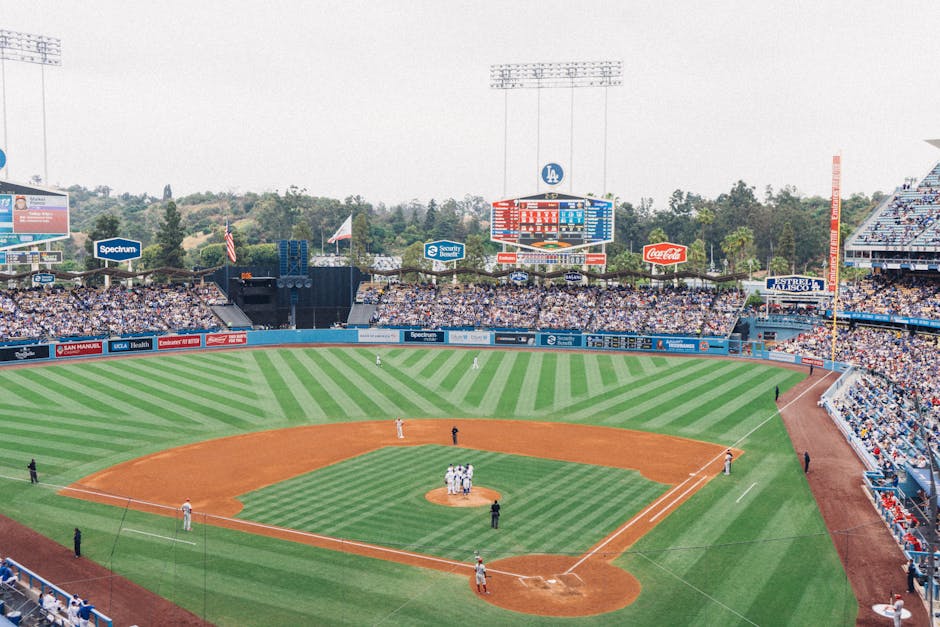
Top 10 Fun Facts About Sports Stadiums

Top 10 Fun Facts About Sports Stadiums

⏱️ 6 min read

Sports stadiums are more than just venues for athletic competition—they're architectural marvels, historical landmarks, and cultural icons that have witnessed some of humanity's most memorable moments. From their innovative designs to their quirky characteristics, these colossal structures hold fascinating secrets that even the most dedicated sports fans might not know. Let's explore some of the most intriguing facts about these remarkable buildings that host millions of spectators every year.

Remarkable Facts That Make Sports Stadiums Extraordinary

1. The Ancient Origins of Stadium Design

The word "stadium" originates from ancient Greece, specifically from a unit of measurement called a "stadion," which was approximately 600 feet. The first stadium, built in Olympia around 776 BCE, was designed to accommodate footraces of exactly this length. Modern stadiums still honor this heritage, with many incorporating classical architectural elements and maintaining the oval or horseshoe shape that allowed ancient spectators to view competitions from multiple angles. The Panathenaic Stadium in Athens, rebuilt for the first modern Olympics in 1896, remains the only stadium in the world built entirely of marble.

2. Moving Fields and Retractable Surfaces

Several modern stadiums feature removable or retractable playing surfaces that can be rolled in and out on massive trays. The University of Phoenix Stadium in Arizona houses a 19-million-pound natural grass field that slides outside the stadium on 546 steel wheels, allowing the turf to receive natural sunlight. This engineering feat takes approximately 75 minutes to complete and ensures the playing surface remains in pristine condition. Similar technology exists in stadiums across the globe, representing millions of dollars in mechanical innovation.

3. The Loudest Crowd Noise Ever Recorded

Arrowhead Stadium in Kansas City, home to the NFL's Chiefs, holds the Guinness World Record for the loudest crowd roar at an outdoor stadium, reaching 142.2 decibels in 2014. To put this in perspective, this noise level is louder than a jet engine at takeoff and can cause immediate hearing damage. The stadium's design, with its steep seating bowl and overhanging roof structure, naturally amplifies crowd noise and reflects it back onto the field, creating a genuine home-field advantage that opposing teams genuinely fear.

4. Stadiums That Generate Their Own Power

Environmental consciousness has entered the world of sports venues, with several stadiums now generating their own renewable energy. The Amsterdam Arena in the Netherlands features 4,200 solar panels that provide power to the stadium and surrounding neighborhood. Meanwhile, the Kaohsiung Stadium in Taiwan is topped with 8,844 solar panels forming the roof structure, making it the world's first stadium powered entirely by solar energy. These innovations represent a growing trend toward sustainability in sports architecture.

5. The Billion-Dollar Price Tags

Modern stadium construction costs have skyrocketed to unprecedented levels. SoFi Stadium in Los Angeles, which opened in 2020 as home to both the Rams and Chargers, cost approximately $5.5 billion to build, making it the most expensive sports venue ever constructed. This indoor-outdoor stadium features a translucent roof covering 3.1 million square feet and a 70,000-square-foot video board that hangs from the roof. The astronomical costs reflect not just construction expenses but also the integration of cutting-edge technology, luxury amenities, and architectural innovation.

6. Stadiums Built in Impossible Locations

Some stadiums have been constructed in locations that defy engineering logic. The Estadio Hernando Siles in La Paz, Bolivia, sits at 11,932 feet above sea level, making it the highest professional stadium in the world. The thin air at this altitude significantly affects gameplay, giving the home team a substantial advantage as visiting athletes struggle with reduced oxygen levels. Meanwhile, Singapore's Float at Marina Bay features the world's largest floating platform, where the stadium field literally sits on water in the city's harbor.

7. Hidden Underground Features and Facilities

Beneath the visible structures lie extensive underground networks that few fans ever see. Many stadiums feature subterranean locker rooms, training facilities, maintenance tunnels, and even underground parking for players. The Melbourne Cricket Ground in Australia has tunnels and rooms underground that date back to the 1850s, creating a historical labyrinth beneath the modern facility. Some stadiums also feature elaborate bunker systems, holdovers from Cold War-era construction when such venues were designated as potential emergency shelters.

8. Natural Grass at Impossible Heights

Maintaining natural grass in domed or retractable-roof stadiums presents unique challenges. The Principality Stadium in Cardiff, Wales, was the first stadium with a retractable roof to use real grass, requiring a sophisticated drainage and irrigation system that cost millions to implement. The grass sits on a specialized growing medium just four inches deep, supported by an intricate network of pipes that provide heating, drainage, and precise moisture control. Groundskeepers monitor soil conditions constantly using advanced sensors and computer systems.

9. Stadiums That Transform Into Lakes

Some stadiums have been intentionally designed to flood for special events. The Stadio Comunale in Florence, Italy, was famously flooded in 1989 to recreate a naval battle for a historical celebration. More recently, several stadiums worldwide have incorporated water features or the ability to flood portions of the field for concerts, shows, or special ceremonies. These transformations require complex engineering to ensure water doesn't damage the underlying infrastructure and can be drained efficiently.

10. The Fastest Stadium Construction Ever

While modern mega-stadiums take years to complete, the record for fastest stadium construction is impressive. The Braga Municipal Stadium in Portugal was built in approximately two years for Euro 2004, carved directly into the face of a granite quarry. However, temporary stadiums hold speed records—some World Cup qualifying venues have been erected in less than six months. These rapid constructions rely on prefabricated materials and modular designs that can be assembled quickly, though they typically lack the amenities and longevity of permanent structures.

Conclusion

Sports stadiums represent remarkable achievements in architecture, engineering, and human ambition. From ancient Greek origins to solar-powered modern marvels, from impossible construction sites to record-breaking crowd noise, these venues continue to push boundaries and capture imaginations. Whether through their environmental innovations, astronomical costs, or ingenious designs, stadiums remain testaments to our collective passion for sports and our willingness to create extraordinary spaces where communities gather, athletes compete, and memories are made. As technology advances and sustainability becomes increasingly important, future stadiums will undoubtedly continue this tradition of innovation, creating even more fascinating facts for generations to come.