










1 / 10 Questions
0 Points

Which Company Created The Easy-Bake Oven?

Hasbro

Fisher-Price

Mattel

Kenner

Points won
0
Correct score
0%

More Questions

More Articles

Did You Know These Famous Dishes Have Misleading Origins?

Did You Know These Famous Dishes Have Misleading Origins?

⏱️ 5 min read

The world of culinary history is filled with delightful surprises and unexpected twists. Many beloved dishes that grace restaurant menus and dinner tables worldwide carry names that suggest one origin, while their true birthplace tells an entirely different story. These misleading monikers have persisted through generations, creating fascinating tales of cultural exchange, marketing genius, and historical happenstance. Understanding the real origins of these famous foods not only enriches our appreciation of global cuisine but also reveals how dishes evolve and adapt across borders and cultures.

French Fries: Not So French After All

Perhaps one of the most widespread culinary misconceptions involves the crispy, golden strips of fried potato known worldwide as French fries. Despite their name, these beloved accompaniments to burgers and sandwiches likely originated in Belgium, not France. Historical records suggest that villagers in Belgium's Meuse Valley were frying small fish from the river as early as the 1600s. During harsh winters when the river froze, resourceful locals began cutting potatoes into fish-like shapes and frying them as a substitute.

The "French" connection possibly arose during World War I when American soldiers stationed in Belgium encountered these fried potatoes. Since the Belgian Army spoke French, the soldiers called them "French fries," and the name stuck. Belgians take their frites seriously, considering them a national dish and serving them in paper cones with various sauces, particularly mayonnaise, rather than ketchup.

German Chocolate Cake Has No German Connection

This rich, layered dessert with its distinctive coconut-pecan frosting might evoke images of Bavarian bakeries, but German chocolate cake is thoroughly American. The confusion stems from the cake's key ingredient: a specific type of dark baking chocolate created by Samuel German, an English-American chocolate maker, in 1852. The Baker's Chocolate Company named the product "Baker's German's Sweet Chocolate" in his honor.

Over a century later, in 1957, a Texas homemaker named Mrs. George Clay submitted a recipe using this chocolate to a Dallas newspaper. The cake became wildly popular, and the chocolate company saw sales skyrocket. As the recipe spread across America, the possessive "'s" was gradually dropped, transforming "German's chocolate cake" into "German chocolate cake," forever misleading people about its European origins.

Swiss Steak Contains No Swiss Ingredients

Swiss steak, a comfort food classic featuring tenderized beef braised in tomatoes and vegetables, has absolutely nothing to do with Switzerland. The name actually refers to the preparation method called "swissing," a technique for tenderizing tough cuts of meat by pounding or rolling them with a specialized tool that creates small indentations. This process breaks down the meat's tough fibers, making even inexpensive cuts palatable when slow-cooked.

The dish gained popularity in American households during the mid-20th century as an economical way to prepare less expensive cuts of beef. The confusion persists because many assume the "Swiss" designation indicates the recipe's country of origin, when it simply describes the meat preparation technique used before cooking.

Vichyssoise Was Created in New York, Not Vichy

This elegant, chilled potato and leek soup sounds distinctly French, and its name references Vichy, the famous French spa town. However, vichyssoise was actually created at the Ritz-Carlton Hotel in New York City by French chef Louis Diat in 1917. Diat did draw inspiration from his childhood memories of hot potato and leek soup in France, which his family would cool by adding cold milk on hot summer days.

Working in New York, Diat refined this concept into a sophisticated cold soup, adding cream and a velvety texture through careful straining. He named it after the region near his hometown, lending the dish an air of French authenticity. Despite its American creation, vichyssoise is now served in French restaurants worldwide and has been embraced as part of classical French cuisine.

Fortune Cookies Are Not a Chinese Tradition

The crispy, curved cookies containing printed fortunes or lucky numbers are ubiquitous in Chinese restaurants across America, yet they're virtually unknown in China. These treats are actually Japanese-American in origin, with the most likely inventor being Makoto Hagiwara, who created them for the Japanese Tea Garden in San Francisco around the early 1900s.

Japanese bakers in California were making similar cookies based on traditional Japanese crackers called tsujiura senbei. However, during World War II, when Japanese Americans were forced into internment camps, Chinese restaurant owners in California adopted the fortune cookie tradition. After the war, fortune cookies had become so associated with Chinese restaurants that their Japanese origins were largely forgotten. Today, they represent an interesting example of cultural cross-pollination and adaptation in American immigrant cuisine.

Russian Dressing Lacks Russian Roots

This tangy, reddish-orange salad dressing bears no connection to Russian cuisine. The most probable explanation for its name relates to an early ingredient: caviar, which Americans strongly associated with Russia. Early recipes for Russian dressing sometimes included caviar or other luxury ingredients that evoked Russian opulence. However, the modern version typically contains mayonnaise, ketchup, horseradish, and spices—ingredients with no particular connection to Russian food traditions.

Some food historians suggest the name might also reference the "Russian Service" style of formal dining popular in the 19th century, where dishes were brought to the table in courses. Regardless of its naming origin, Russian dressing became an American staple, particularly when paired with corned beef on rye bread to create the classic Reuben sandwich.

The Enduring Power of Culinary Myths

These misleading dish names persist because they've become embedded in cultural consciousness and marketing traditions. They remind us that food is never just about ingredients and recipes—it's about stories, migrations, and the complex ways cultures interact and influence one another. Understanding these true origins doesn't diminish our enjoyment of these dishes; rather, it enriches our appreciation for the dynamic nature of culinary evolution and the fascinating journeys that foods take across borders and through time.
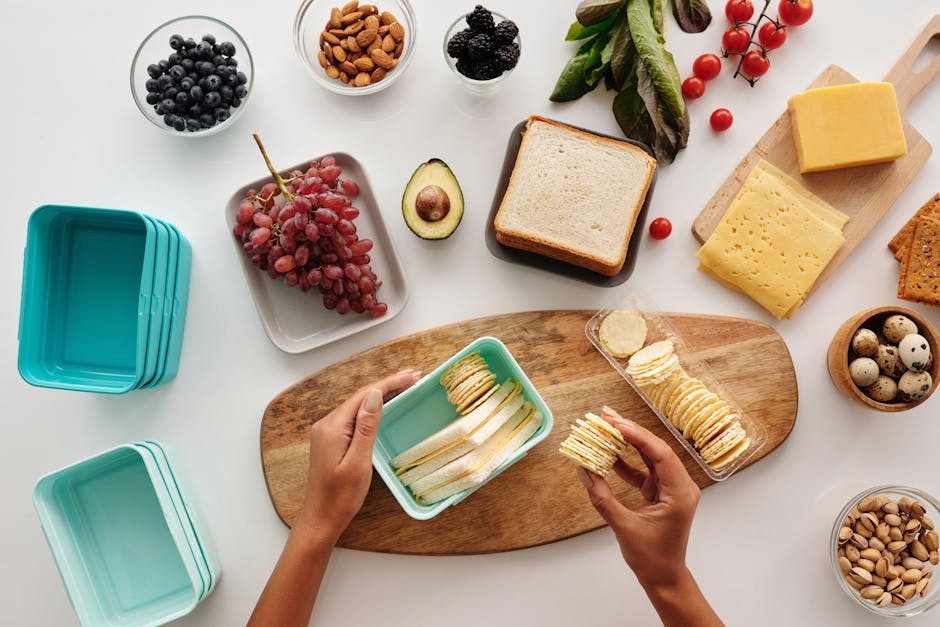
Top 10 Healthy Foods That Aren’t Actually Healthy

Top 10 Healthy Foods That Aren’t Actually Healthy

⏱️ 7 min read

The quest for a healthier lifestyle often leads consumers down the aisles of grocery stores, carefully selecting items marketed as nutritious alternatives. However, the health food industry is filled with products that wear a misleading halo of wellness. Many foods perceived as healthy options are actually loaded with sugar, unhealthy fats, sodium, and artificial ingredients that can sabotage dietary goals. Understanding which seemingly wholesome foods fall short of their health claims is essential for making truly informed nutritional choices.

The Hidden Truth Behind Popular Health Foods

1. Flavored Yogurt's Sugar Trap

While plain yogurt offers probiotics, protein, and calcium, flavored varieties tell a very different nutritional story. Many popular fruit-flavored yogurts contain as much sugar as a candy bar—sometimes 20 to 30 grams per serving. Manufacturers often add high fructose corn syrup, artificial flavors, and food coloring to make these products more appealing. The fruit content is typically minimal, consisting mainly of fruit concentrate or artificial flavoring. Even "low-fat" versions compensate for reduced fat content by increasing sugar levels to maintain palatability. The excessive sugar content can spike blood glucose levels, contribute to weight gain, and negate many of the beneficial properties of the yogurt itself.

2. Granola's Calorie Bomb Reality

Granola has long been associated with health-conscious eating and wholesome breakfasts, but this reputation is largely undeserved. Most commercial granolas are packed with oils, honey, brown sugar, and even chocolate, making them extremely calorie-dense. A typical half-cup serving can contain 300-600 calories with minimal nutritional benefit. The oats are often heavily processed and coated with sweeteners that cause the same blood sugar spikes as cookies or pastries. While granola does contain some fiber and whole grains, the excessive amounts of added sugars and fats transform what could be a nutritious food into a dessert masquerading as breakfast.

3. Store-Bought Smoothies and Hidden Sugars

Pre-packaged smoothies from grocery stores or chain restaurants may seem like convenient health boosters, but they frequently contain alarming amounts of sugar. Many bottled smoothies include fruit juice concentrates, added sweeteners, and multiple servings of fruit, resulting in sugar content that rivals or exceeds soda. A single bottle can contain 50-60 grams of sugar, even without any added sweeteners, simply from the concentrated fruit content. The lack of fiber—often removed during processing—means the sugar is absorbed rapidly into the bloodstream. Additionally, the pasteurization process required for shelf stability destroys many of the vitamins and enzymes that make fresh smoothies beneficial.

4. Whole Wheat Bread's Refined Reality

The label "whole wheat" suggests a nutritious alternative to white bread, but many commercial whole wheat breads are highly processed and barely different from their refined counterparts. Manufacturers often use finely ground whole wheat flour that behaves similarly to white flour in the body, causing rapid blood sugar increases. Many brands add high fructose corn syrup, caramel coloring to appear more "whole grain," and preservatives for extended shelf life. Some contain less than 50% actual whole grains despite marketing claims. The fiber content is often minimal, and the glycemic index can be nearly as high as white bread, offering little advantage for blood sugar management or sustained energy.

5. Veggie Chips' False Promise

Vegetable chips are marketed as nutritious alternatives to potato chips, but this health halo is largely illusory. Most veggie chips undergo the same deep-frying process as regular chips, absorbing similar amounts of unhealthy fats and calories. The vegetable content is often negligible after processing, with many brands adding vegetable powder or food coloring to regular potato starch. The high-heat cooking process destroys most vitamins and beneficial plant compounds, leaving behind essentially empty calories with added sodium. Weight for weight, veggie chips typically contain the same or more calories, fat, and sodium as traditional potato chips, while providing minimal nutritional advantage.

6. Dried Fruit's Concentrated Sugar Content

While fresh fruit offers fiber, vitamins, and beneficial compounds, dried fruit is a concentrated source of sugar and calories that can quickly derail healthy eating. The dehydration process removes water, concentrating the natural sugars into a much smaller volume. A handful of dried mango or cranberries can contain 25-35 grams of sugar—equivalent to several pieces of fresh fruit. Many commercial dried fruits also have added sugars, sulfites for preservation, and oils for texture. The chewy, candy-like texture makes it easy to overconsume, and the rapid sugar absorption lacks the satiety provided by fresh fruit's water content. This combination makes dried fruit more similar to candy than to the fresh fruit it originated from.

7. Protein Bars Disguised as Candy

Protein bars are positioned as convenient nutrition for active lifestyles, but many are essentially candy bars with added protein powder. Examination of ingredient lists reveals chocolate coatings, multiple types of sugar (corn syrup, brown rice syrup, cane sugar), and unhealthy fats. Many contain 15-25 grams of sugar per bar, along with artificial sweeteners, preservatives, and processed ingredients. The protein source is often low-quality soy protein isolate rather than whole food proteins. Some bars contain more calories and sugar than actual candy bars while providing minimal vitamins, minerals, or fiber. The convenience factor doesn't justify their poor nutritional profile compared to whole food alternatives.

8. Reduced-Fat Peanut Butter's Unhealthy Trade-off

When manufacturers create reduced-fat peanut butter, they remove the naturally occurring healthy fats that make regular peanut butter nutritious and satisfying. To compensate for the loss of flavor and texture, they add sugar, corn syrup, and maltodextrin. The result is a product with similar or only slightly fewer calories but significantly more sugar and less of the beneficial monounsaturated fats that support heart health. Regular peanut butter's fats help with satiety and nutrient absorption, while the reduced-fat version's added sugars cause blood sugar spikes and increased cravings. The natural fats in regular peanut butter are actually beneficial, making the "reduced-fat" version an inferior nutritional choice despite its health-conscious marketing.

9. Agave Nectar's Fructose Problem

Agave nectar has been marketed as a natural, low-glycemic sweetener superior to sugar, but nutritional science tells a different story. Agave contains up to 85% fructose—significantly more than high fructose corn syrup. While this high fructose content does result in a lower glycemic response, excessive fructose consumption is linked to fatty liver disease, insulin resistance, and metabolic problems. Unlike glucose, fructose is processed primarily by the liver, where it can be converted to fat more readily. The heavy processing required to produce agave syrup from the agave plant destroys many of the beneficial compounds found in the original plant. Despite its "natural" label, agave offers no nutritional advantages over regular sugar and may pose additional metabolic risks.

10. Multi-Grain Products Without Whole Grains

Products labeled "multi-grain" sound nutritious, but this term is essentially meaningless from a health perspective. Multi-grain simply means the product contains more than one type of grain—it makes no statement about whether those grains are whole or refined. Many multi-grain breads, crackers, and cereals use refined wheat flour, refined corn flour, and refined rice flour, offering no more nutritional benefit than white bread. Without the term "whole" before each grain listed, consumers are likely getting refined grains that have been stripped of fiber, vitamins, and minerals. The multi-grain label is a marketing tactic that creates a health halo without delivering actual nutritional value, often misleading consumers into believing they're making healthier choices.

Making Truly Informed Food Choices

The foods examined here demonstrate that marketing claims and health halos can be deeply misleading. Products positioned as healthy alternatives often contain excessive sugars, unhealthy fats, refined ingredients, and minimal nutritional value. The key to genuine healthy eating lies in reading ingredient labels carefully, understanding nutrition facts panels, and prioritizing whole, minimally processed foods over packaged products with health claims. When whole food options aren't practical, choosing products with short ingredient lists, minimal added sugars, and recognizable ingredients provides the best assurance of actual nutritional value. Being skeptical of health claims and understanding the differences between marketing language and nutritional reality empowers consumers to make choices that truly support their wellness goals rather than merely appearing to do so.