











1 / 10 Questions
0 Points

What color were the Statue of Liberty's original copper plates?

Brown

Green

Gray

Shiny copper/orange

Points won
0
Correct score
0%

More Questions

More Articles

Did You Know These Fast Facts About the Internet?

Did You Know These Fast Facts About the Internet?

⏱️ 5 min read

The internet has become such an integral part of daily life that it's easy to take for granted. Yet behind every click, search, and stream lies a fascinating world of technology, statistics, and surprising facts that most people never consider. From its humble beginnings as a military project to its current status as a global phenomenon connecting billions of people, the internet continues to evolve at an astonishing pace. Understanding these quick facts provides valuable insight into how this revolutionary technology shapes modern society.

The Staggering Scale of Internet Usage

The sheer size of the internet defies easy comprehension. As of recent estimates, over 5.3 billion people use the internet worldwide, representing approximately 66% of the global population. This massive user base generates an enormous amount of activity every single second. Google processes more than 99,000 searches per second, which translates to over 8.5 billion searches per day. Meanwhile, internet users send approximately 231.4 million emails every sixty seconds, though a significant portion consists of spam.

The amount of data transmitted across the internet reaches mind-boggling proportions. Every minute, users watch 694,000 hours of video on Netflix, send 347,222 stories on Instagram, and upload 500 hours of video content to YouTube. This constant flow of information means that the total amount of data on the internet doubles approximately every two years, a trend that shows no signs of slowing down.

Historical Milestones That Changed Everything

The internet's origins trace back to 1969 when the Advanced Research Projects Agency Network (ARPANET) sent its first message between two computers located at UCLA and Stanford Research Institute. This initial message was supposed to be "LOGIN," but the system crashed after only two letters, making "LO" the first transmission in internet history. The World Wide Web, which many people mistakenly believe is synonymous with the internet itself, wasn't invented until 1989 by British scientist Tim Berners-Lee at CERN.

The first website ever created went live on August 6, 1991, and it's still accessible today in its original form. The domain name Symbolics.com holds the distinction of being the first registered domain, claimed on March 15, 1985. By comparison, the popular domain Google.com wasn't registered until September 15, 1997, demonstrating how recently many internet giants actually emerged.

Speed and Infrastructure Facts

Modern internet speeds have reached incredible levels, though they vary dramatically across different regions. South Korea and Singapore consistently rank among countries with the fastest average internet speeds, while some rural and developing areas still struggle with basic connectivity. The fastest internet speed ever recorded reached 178 terabits per second in a laboratory setting, fast enough to download the entire Netflix library in under one second.

The physical infrastructure supporting the internet relies heavily on undersea cables rather than satellites, contrary to common belief. Approximately 99% of international data travels through more than 400 submarine cables stretching across ocean floors. These cables span over 1.3 million kilometers collectively and remain vulnerable to damage from ship anchors, earthquakes, and even shark bites, which has actually occurred multiple times.

Social Media and Content Creation Statistics

Social media platforms have transformed how people communicate and share information online. Facebook remains the largest social network with over 2.9 billion monthly active users, meaning roughly one in three people on Earth uses the platform. However, newer platforms have shown explosive growth rates. TikTok reached one billion users faster than any other social media platform in history, achieving this milestone in just five years.

Content creation has become democratized in unprecedented ways. Every day, users upload approximately 720,000 hours of content to YouTube, create 95 million posts on Instagram, and tweet about 500 million times on Twitter. Wikipedia, the free online encyclopedia built entirely by volunteers, contains more than 60 million articles across 300 languages, with the English version alone exceeding 6.5 million articles.

Economic Impact and Digital Commerce

The internet economy has grown into a multi-trillion-dollar industry. E-commerce sales worldwide exceed $5 trillion annually and continue growing at double-digit rates. Amazon processes approximately 2,800 transactions per minute during regular periods, with this number skyrocketing during major shopping events. The digital advertising industry generates over $500 billion annually, with Google and Facebook capturing more than half of all digital ad spending.

Cryptocurrency and blockchain technology represent newer additions to the internet economy. Bitcoin, the first cryptocurrency, has inspired thousands of alternatives and spawned an entire industry worth over one trillion dollars at its peak. The energy consumption required to maintain Bitcoin's network alone rivals that of entire countries, sparking ongoing debates about sustainability.

Security and Privacy Considerations

Cybersecurity has become increasingly critical as internet dependency grows. Hackers launch a cyberattack somewhere in the world approximately every 39 seconds. Data breaches exposed billions of records in recent years, with single incidents sometimes compromising hundreds of millions of user accounts. Cybercrime costs are projected to reach $10.5 trillion annually by 2025, making it more profitable than the global trade of all illegal drugs combined.

Despite growing awareness, password security remains problematic. Studies consistently show that "123456" and "password" rank among the most commonly used passwords, despite representing extremely poor security practices. The average person maintains approximately 100 online accounts but typically uses only a handful of different passwords across all of them, creating significant vulnerability.

Future Trends and Emerging Technologies

The Internet of Things (IoT) is expanding rapidly, with projections suggesting over 75 billion connected devices by 2025. These range from smart home appliances to industrial sensors and wearable technology. Fifth-generation (5G) wireless networks promise speeds up to 100 times faster than 4G, enabling new applications in autonomous vehicles, remote surgery, and augmented reality. Artificial intelligence and machine learning increasingly power internet services, from search algorithms to content recommendations, fundamentally changing how people interact with online information.
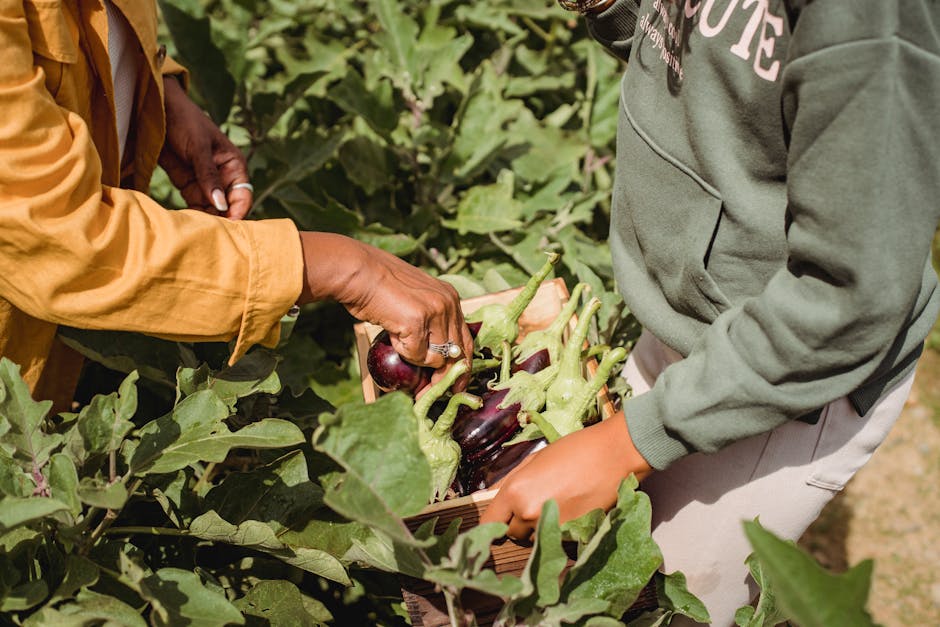
Did You Know These Quick Facts About Food Production?

Did You Know These Quick Facts About Food Production?

⏱️ 5 min read

Food production is one of the most complex and fascinating industries in the world, touching every aspect of human life. From the soil beneath our feet to the plates on our tables, the journey of food involves countless processes, technologies, and people working together. While most of us enjoy the end result, the facts and figures behind global food production reveal surprising insights about how we feed billions of people every day.

The Scale of Global Food Production

The sheer magnitude of worldwide food production is staggering. Each year, farmers and food producers generate approximately 9.5 billion tons of food globally. This includes everything from grains and vegetables to meat and dairy products. To put this in perspective, that's roughly 1.3 tons of food for every person on Earth annually. Despite this impressive output, approximately one-third of all food produced for human consumption is wasted, amounting to roughly 1.3 billion tons per year.

Agriculture occupies nearly 40 percent of the Earth's land surface, making it the largest land use category on the planet. This vast expanse includes crop fields, pastures, and grazing lands that support livestock production. Interestingly, livestock production alone uses approximately 77 percent of all agricultural land, yet it provides only 18 percent of the world's calorie supply and 37 percent of protein supply.

Water Usage in Food Production

Water consumption in food production represents one of the most critical resource challenges facing modern agriculture. Agriculture accounts for approximately 70 percent of global freshwater withdrawals, making it by far the largest consumer of water resources. Different foods require vastly different amounts of water to produce, which has significant implications for sustainability and resource management.

For example, producing one kilogram of beef requires approximately 15,400 liters of water when accounting for drinking water, feed production, and processing. In contrast, one kilogram of vegetables requires only about 322 liters of water. These disparities highlight the importance of considering water footprints when evaluating the environmental impact of different dietary choices.

The Rise of Technology in Food Production

Modern food production has become increasingly dependent on technology and innovation. Precision agriculture, which uses GPS technology, sensors, and data analytics, has revolutionized how farmers manage their crops. These technologies enable farmers to optimize irrigation, apply fertilizers more efficiently, and detect pest problems early, resulting in increased yields while reducing environmental impact.

Vertical farming represents another technological breakthrough in food production. These indoor farming systems can produce crops year-round in controlled environments, using up to 95 percent less water than traditional agriculture. Some vertical farms can produce yields per square foot that are more than 100 times greater than conventional farming methods, making them particularly valuable for urban areas with limited space.

Surprising Facts About Specific Food Items

Individual food products often have remarkable production stories that consumers rarely consider. Here are some fascinating facts about common foods:

  • Honey bees must visit approximately 2 million flowers to produce just one pound of honey, flying a combined distance of about 55,000 miles in the process.
  • A single dairy cow can produce approximately 6 to 7 gallons of milk per day, totaling around 2,300 gallons per year.
  • It takes approximately 600 grapes to produce one bottle of wine, and the world produces about 26 billion bottles of wine annually.
  • Coffee is the second most traded commodity in the world after petroleum, with over 400 billion cups consumed globally each year.
  • Approximately 96 percent of soybeans grown in the United States are used for animal feed and industrial products, not direct human consumption.

The Labor Force Behind Food Production

Despite increasing mechanization, food production remains highly labor-intensive. Globally, approximately 26 percent of the world's workforce is employed in agriculture, though this percentage varies dramatically by region. In some developing countries, agriculture employs up to 80 percent of the workforce, while in developed nations, it may account for less than 5 percent.

The average age of farmers continues to rise in many developed countries, with the average farmer in the United States now being 58 years old. This aging workforce presents challenges for the future of food production and highlights the need for attracting younger generations to agriculture.

Environmental Impact and Sustainability Concerns

Food production contributes significantly to global greenhouse gas emissions, accounting for approximately 26 percent of total emissions worldwide. Within this sector, livestock and fisheries represent 31 percent of food emissions, crop production accounts for 27 percent, and land use changes contribute 24 percent. The remaining emissions come from supply chains and retail operations.

Soil degradation presents another critical concern, with an estimated 24 billion tons of fertile soil lost annually due to erosion, over-cultivation, and poor management practices. This loss threatens long-term food security and requires approximately 500 years for nature to generate just one inch of topsoil.

The Future of Food Production

As the global population is projected to reach 9.7 billion by 2050, food production must increase by approximately 70 percent to meet demand. This challenge requires innovative solutions, including improved crop varieties, sustainable farming practices, and reduced food waste. Alternative protein sources, such as cultured meat and plant-based proteins, are gaining traction as potential solutions to meet protein demands while reducing environmental impact.

Understanding these facts about food production helps consumers make more informed choices and appreciate the complex systems that sustain human civilization. As technology advances and sustainability becomes increasingly important, the food production industry continues to evolve, striving to feed a growing population while protecting the planet's resources for future generations.