






1 / 10 Questions
0 Points

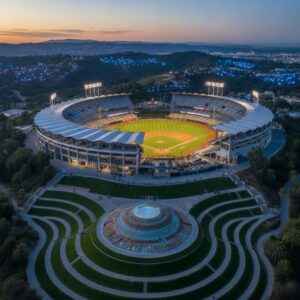
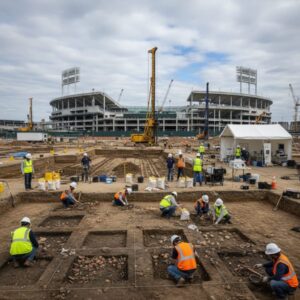
Which Major League Baseball stadium was built on land that once contained a Jewish cemetery established in 1855?

Dodger Stadium

Wrigley Field

Fenway Park

Yankee Stadium

Points won
0
Correct score
0%

More Questions

More Articles

Did You Know These Quick Facts About Transportation History?

Did You Know These Quick Facts About Transportation History?

⏱️ 5 min read

Transportation has shaped human civilization in profound ways, connecting people, goods, and ideas across vast distances. From ancient trade routes to modern supersonic travel, the evolution of how we move from place to place reveals fascinating stories of innovation, perseverance, and human ingenuity. The following quick facts illuminate surprising moments and milestones in transportation history that continue to influence our world today.

The Ancient Romans Built Over 250,000 Miles of Roads

The Roman Empire's extensive road network remains one of history's most impressive infrastructure achievements. At its peak, the system stretched over 250,000 miles, connecting Rome to the far reaches of its territories across Europe, North Africa, and the Middle East. These weren't simple dirt paths—Roman roads featured sophisticated engineering with multiple layers of materials including sand, gravel, and paving stones. The famous Via Appia, constructed in 312 BCE, still exists today and portions remain in use after more than 2,300 years. The Romans understood that effective transportation infrastructure was essential for military movement, trade, and maintaining control over their vast empire.

The First Traffic Light Exploded

Before the familiar red, yellow, and green lights we know today, London installed the world's first traffic signal in 1868 outside the Houses of Parliament. This pioneering device used gas-lit semaphore arms during the day and red and green gas lamps at night to control traffic flow. Unfortunately, the experiment was short-lived. Less than a month after installation, the gas-powered signal exploded, injuring the police officer operating it. This setback delayed the development of traffic control systems for decades until electric traffic lights emerged in the early 20th century, with the first three-color light debuting in Detroit in 1920.

Bicycles Preceded Cars in the Transportation Revolution

While automobiles dominate modern discussions of personal transportation, bicycles actually played a crucial role in revolutionizing individual mobility first. The "safety bicycle" with equal-sized wheels and chain drive emerged in the 1880s, creating a bicycle boom that transformed society before cars became widely accessible. Bicycles gave people unprecedented freedom of movement, influenced women's liberation by providing independent transportation, and even prompted improvements in road quality that later benefited automobiles. Early automotive pioneers, including Henry Ford and the Wright Brothers, were bicycle mechanics before turning their attention to motorized vehicles.

The Transcontinental Railroad Was Completed With a Golden Spike

On May 10, 1869, at Promontory Summit in Utah Territory, the Union Pacific and Central Pacific railroads joined their tracks with the ceremonial driving of a golden spike. This moment marked the completion of the First Transcontinental Railroad, reducing cross-country travel from months to less than a week. The construction required extraordinary human effort, with predominantly Chinese immigrants building from the west and Irish immigrants constructing from the east. The project overcame formidable obstacles including the Sierra Nevada mountains and vast deserts, fundamentally transforming American commerce, settlement patterns, and national identity.

The Hindenburg Disaster Ended the Airship Era in Just 37 Seconds

Luxury airship travel represented the pinnacle of sophisticated transportation in the 1930s, with German Zeppelins crossing the Atlantic in comfort and style. The LZ 129 Hindenburg was the largest aircraft ever built, measuring 804 feet long. However, on May 6, 1937, while attempting to land in New Jersey after a transatlantic voyage, the hydrogen-filled airship caught fire and was destroyed in just 37 seconds. Of the 97 people aboard, 35 died in the disaster. The tragedy, captured on film and radio, effectively ended the era of passenger airship travel, despite ongoing debates about the actual cause of the fire.

The Interstate Highway System Required More Concrete Than All Previous Projects Combined

President Dwight D. Eisenhower championed the Federal-Aid Highway Act of 1956, which created America's Interstate Highway System. The project's scale was staggering—it required more concrete than all the roads, bridges, and construction projects built in the entire previous history of the United States combined. The system eventually encompassed over 48,000 miles of highways and took 35 years to complete. Eisenhower's vision was partially inspired by Germany's Autobahn system and his experience moving military convoys across the country in 1919, which took 62 days due to poor road conditions. The Interstate system fundamentally reshaped American life, influencing suburban development, commerce, and culture.

The First Subway System Opened in 1863

London's Metropolitan Railway, which opened on January 10, 1863, became the world's first underground railway system. Initially covering just six kilometers, the steam-powered trains carried 38,000 passengers on opening day despite concerns about traveling in tunnels beneath the city. The ventilation of steam and smoke in underground tunnels posed significant challenges until electrification arrived decades later. The success of London's "Tube" inspired cities worldwide to develop their own subway systems, with Boston opening the first American subway in 1897. Today, rapid transit systems move billions of passengers annually in cities across the globe, making underground railways an indispensable component of urban transportation infrastructure.

These remarkable facts demonstrate how transportation innovations have consistently pushed the boundaries of what seemed possible, connecting humanity in ever more efficient and surprising ways throughout history.

Top 10 Hidden Facts About Sports Nutrition

Top 10 Hidden Facts About Sports Nutrition

⏱️ 6 min read

Sports nutrition is often surrounded by mainstream advice that overlooks some of the most fascinating and impactful scientific discoveries. While athletes and fitness enthusiasts focus on macronutrients and protein shakes, numerous lesser-known factors significantly influence performance, recovery, and overall athletic success. Understanding these hidden aspects can provide a competitive edge and transform how individuals approach their nutritional strategies.

Revolutionary Insights That Change Athletic Performance

1. Gut Bacteria Composition Determines Nutrient Absorption Efficiency

The microbiome plays a crucial role in sports nutrition that extends far beyond basic digestion. Research has revealed that elite athletes possess distinctly different gut bacteria compositions compared to sedentary individuals. Specifically, athletes have higher levels of Veillonella bacteria, which convert lactate into propionate, a substance that can enhance endurance. This discovery means that two athletes consuming identical diets may experience vastly different performance outcomes based solely on their intestinal flora. Probiotic supplementation and fermented foods aren't just digestive aids—they're potential performance enhancers that work at the cellular level.

2. Sodium Requirements Are Drastically Underestimated for Endurance Athletes

While mainstream health advice warns against sodium consumption, endurance athletes actually need far more salt than conventionally recommended. Some athletes lose between 1,000 to 7,000 milligrams of sodium per hour through sweat, depending on individual sweat rates and environmental conditions. Hyponatremia, a dangerous condition caused by low blood sodium levels, has become increasingly common in marathon and triathlon events, often affecting athletes who over-hydrate with plain water while avoiding salt. Strategic sodium loading before events and adequate electrolyte replacement during activity can prevent cramping, maintain blood volume, and optimize nerve function in ways that pure hydration cannot achieve.

3. Nitrate-Rich Vegetables Provide Natural Performance Enhancement

Beetroot juice and leafy greens contain dietary nitrates that convert to nitric oxide in the body, improving oxygen efficiency at the mitochondrial level. Studies demonstrate that nitrate supplementation can reduce the oxygen cost of exercise by up to 5%, which translates to significant performance improvements in time trials and endurance events. This effect isn't merely about increased blood flow—nitrates actually make muscle contractions more efficient. Consuming 300-500mg of dietary nitrates approximately 2-3 hours before exercise can provide measurable benefits, and chronic supplementation appears to enhance these effects further.

4. Collagen Protein Timing Accelerates Connective Tissue Repair

While whey and plant proteins dominate the supplement market, collagen protein consumed specifically before exercise offers unique benefits for tendons, ligaments, and joints. Research shows that taking 15-20 grams of vitamin C-enriched collagen 30-60 minutes before training stimulates collagen synthesis in connective tissues for up to 72 hours afterward. This timing strategy exploits the mechanical loading effect—exercise signals where the body should deploy newly available amino acids. For athletes dealing with chronic tendon issues or those in high-impact sports, this targeted approach to protein timing can reduce injury risk and accelerate recovery in ways that standard post-workout protein shakes cannot.

5. Chronobiology Dictates Optimal Carbohydrate Distribution

The timing of carbohydrate consumption throughout the day affects performance, body composition, and metabolic health through circadian rhythm mechanisms. Insulin sensitivity follows a circadian pattern, typically peaking in the morning and declining throughout the day. Athletes who consume the majority of their carbohydrates earlier in the day or around training sessions experience better glycogen storage, improved sleep quality, and enhanced fat oxidation during rest periods. This circadian approach to carbohydrate timing can optimize energy availability while simultaneously supporting favorable body composition changes, contradicting the conventional advice to distribute carbohydrates evenly throughout the day.

6. Polyphenols Create Exercise-Mimicking Effects at Rest

Plant compounds called polyphenols, found abundantly in berries, dark chocolate, and green tea, activate similar cellular pathways as exercise itself. These compounds stimulate mitochondrial biogenesis, improve insulin sensitivity, and reduce oxidative stress through mechanisms that complement physical training. However, timing matters critically—consuming high doses of antioxidant polyphenols immediately after intense training may actually blunt beneficial adaptations. The strategic approach involves consuming polyphenols during rest days and lighter training periods to maximize recovery benefits while avoiding interference with the stress-response adaptations that make training effective.

7. Mouth Rinsing with Carbohydrates Tricks the Brain into Better Performance

The central nervous system responds to carbohydrate presence in the mouth even without actual ingestion. Research demonstrates that simply rinsing the mouth with a carbohydrate solution for 5-10 seconds activates reward and motor control centers in the brain, improving performance in high-intensity efforts lasting 30-75 minutes. This phenomenon occurs because carbohydrate receptors in the oral cavity signal fuel availability to the brain, reducing perceived exertion and allowing athletes to push harder. For athletes who experience gastrointestinal distress during competition or those engaging in shorter, intense efforts, carbohydrate mouth rinsing provides performance benefits without the digestive burden.

8. Ketone Bodies Serve as a Fourth Macronutrient for Elite Athletes

Beyond carbohydrates, proteins, and fats, exogenous ketones have emerged as a novel fuel source that can coexist with carbohydrate metabolism. Unlike ketogenic diets that require carbohydrate restriction, ketone esters or salts can elevate blood ketone levels while maintaining normal carbohydrate intake. Research suggests this dual-fuel approach may spare muscle glycogen during prolonged exercise, enhance recovery, and provide neuroprotective effects. Though expensive and still being researched, ketone supplementation represents a paradigm shift in sports nutrition—the possibility of accessing fat-derived fuel without sacrificing carbohydrate-dependent performance.

9. Temperature-Dependent Protein Requirements Change Throughout Seasons

Environmental temperature significantly affects protein requirements in ways rarely discussed in standard nutritional guidelines. Cold exposure increases protein needs by 15-30% due to elevated thermogenesis and shivering-induced muscle protein breakdown. Conversely, heat exposure accelerates protein oxidation and increases losses through sweat. Athletes training in extreme temperatures require adjusted protein intake to maintain muscle mass and support adaptation. This seasonal variation means that protein recommendations should fluctuate throughout the year, particularly for outdoor athletes who experience substantial environmental changes.

10. Molecular Hydrogen Acts as a Selective Antioxidant for Recovery

Hydrogen-enriched water represents one of sports nutrition's most intriguing developments. Unlike conventional antioxidants that can interfere with training adaptations, molecular hydrogen selectively neutralizes only the most damaging hydroxyl radicals while preserving beneficial reactive oxygen species that signal adaptation. Studies show hydrogen water consumption reduces markers of muscle fatigue, improves power output, and decreases inflammation without blunting the positive stress responses that make training effective. This selective antioxidant action offers recovery benefits without the drawbacks associated with high-dose vitamin supplementation, though optimal dosing protocols are still being established.

Integrating Advanced Knowledge into Practice

These hidden facts demonstrate that sports nutrition extends far beyond counting calories and consuming protein shakes. From the microscopic influence of gut bacteria to the timing of specific nutrients around circadian rhythms, athletic performance depends on numerous sophisticated mechanisms. Athletes who understand and implement these lesser-known strategies can optimize their nutrition in ways that provide measurable competitive advantages. As research continues to unveil the complexity of human metabolism and exercise physiology, the gap between those who apply cutting-edge nutritional science and those who follow conventional wisdom will only widen. The future of sports nutrition lies not in radical dietary changes, but in precise, evidence-based refinements that respect the body's intricate biological systems.