











1 / 10 Questions
0 Points

Which ancient civilization invented gunpowder—the explosive heart of every firework?

Ancient Egypt

Ancient Greece

Ancient China

Ancient Rome

Points won
0
Correct score
0%

More Questions

More Articles

Did You Know These Quick Facts About Famous Events?

Did You Know These Quick Facts About Famous Events?

⏱️ 5 min read

Throughout history, major events have shaped our world in ways that continue to influence modern society. While many people know the basic details of these landmark moments, there are fascinating lesser-known facts that add remarkable depth to our understanding. These quick facts reveal surprising details about famous events that often go unnoticed in standard history books.

The Moon Landing: Beyond One Small Step

The Apollo 11 moon landing on July 20, 1969, remains one of humanity's greatest achievements, but several intriguing facts often escape public knowledge. Neil Armstrong's famous words, "That's one small step for man, one giant leap for mankind," were actually supposed to include the article "a" before "man," making it "one small step for a man." The static interference during transmission caused the word to be lost, slightly changing the meaning of this historic quote.

Additionally, the astronauts left behind more than just footprints on the lunar surface. They deposited approximately 96 bags of human waste, including urine and feces, which remain on the moon to this day. Scientists are now interested in returning to collect these samples to study how bacteria and organic material survive in the harsh lunar environment. The mission also left behind a silicon disc containing goodwill messages from 73 world leaders, a gesture of international cooperation during the height of the Cold War.

The Titanic Disaster: Unexpected Details

The sinking of the RMS Titanic on April 15, 1912, is one of history's most infamous maritime disasters. While most people know about the iceberg collision and the insufficient number of lifeboats, several remarkable facts remain relatively unknown. The ship's band, led by Wallace Hartley, famously continued playing music as the ship sank. However, there has been ongoing debate about what their final song was, with some survivors claiming it was the hymn "Nearer, My God, to Thee," while others insisted it was a ragtime tune.

Another surprising fact involves the ship's baker, Charles Joughin, who survived in the freezing water for nearly two hours. He attributed his survival to the large amount of alcohol he consumed before the ship went down, which may have helped keep his blood vessels dilated and prevented hypothermia. Furthermore, the Titanic had actually received six ice warnings on the day of the disaster, but the radio operators were too busy transmitting passenger messages to prioritize these critical safety communications.

The Fall of the Berlin Wall: Accidental Freedom

The fall of the Berlin Wall on November 9, 1989, symbolized the end of the Cold War era, but the event itself occurred largely by accident. During a press conference, East German official Günter Schabowski announced new travel regulations that would allow East Germans to cross the border. When asked when this would take effect, he fumbled through his notes and incorrectly stated "immediately, without delay," though the regulations were meant to take effect the following day with proper procedures in place.

This miscommunication was broadcast live on television, and thousands of East Berliners rushed to the checkpoints demanding to cross. Overwhelmed border guards, with no clear orders and facing massive crowds, eventually opened the gates. What resulted was an impromptu celebration that would change history. In the following days, people from both sides attacked the wall with hammers and pickaxes, creating the iconic images that defined the moment. Interestingly, the wall stood for 10,316 days, and it has now been down longer than it was up, marking a significant passage of time since German reunification.

The Wright Brothers' First Flight: Disputed Success

When Orville and Wilbur Wright achieved powered flight on December 17, 1903, at Kitty Hawk, North Carolina, the event received surprisingly little attention. The flight lasted only 12 seconds and covered just 120 feet, a distance shorter than the wingspan of a modern Boeing 747. Only five people witnessed this historic moment, and the local newspaper chose not to cover the story, believing it wasn't newsworthy.

What's more remarkable is that the brothers made four flights that day, with Wilbur piloting the longest one, which lasted 59 seconds and covered 852 feet. However, a strong gust of wind damaged the aircraft shortly after, preventing any further attempts. The famous photograph of the first flight, taken by John Daniels using the Wright brothers' camera, nearly didn't survive. Daniels had never operated a camera before, and he was so excited about witnessing the flight that he almost forgot to press the shutter button.

The Great Fire of London: Silver Linings

The Great Fire of London in 1666 destroyed approximately 13,200 houses and 87 churches over four days, yet the official death toll was remarkably low, recorded at only six people. However, historians believe the actual number was likely much higher, as the deaths of poor and middle-class citizens often went unrecorded. The fire started in a bakery on Pudding Lane and was finally stopped at Pie Corner, leading to the popular rhyme about the fire starting at Pudding Lane and ending at Pie Corner.

Paradoxically, the devastating fire had some positive consequences for London. It effectively ended the Great Plague of 1665, which had killed approximately 100,000 people, by destroying the rat-infested wooden buildings where disease-carrying fleas thrived. The subsequent rebuilding led to improved urban planning, wider streets to prevent fire spread, and the requirement that new buildings be constructed from brick and stone rather than wood. This transformation laid the foundation for the modern London we know today.
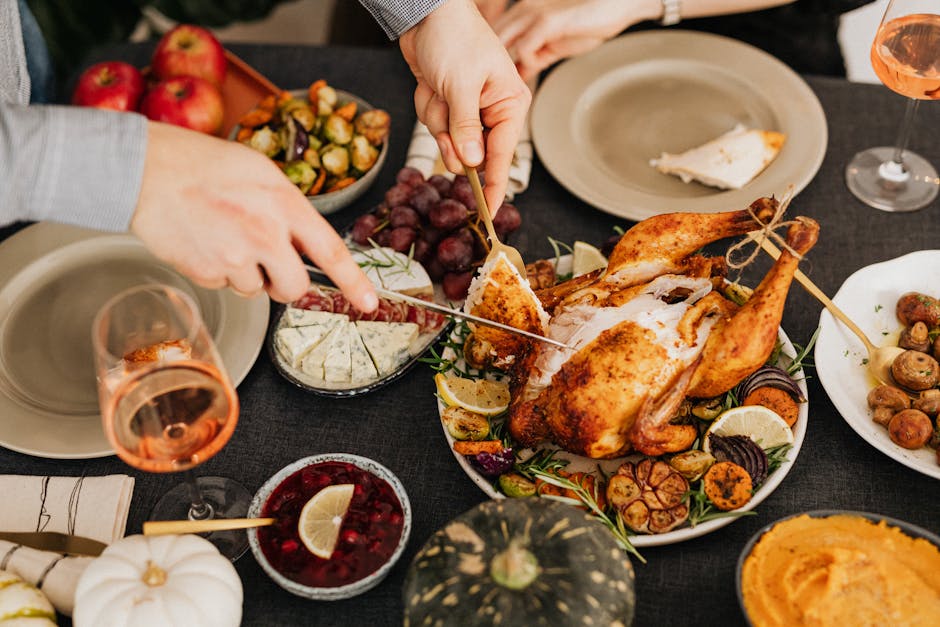
Did You Know These Foods Last Longer Than You Think?

Did You Know These Foods Last Longer Than You Think?

⏱️ 4 min read

Many consumers unknowingly waste perfectly good food by discarding items based on misconceptions about expiration dates or shelf life. Understanding which foods remain safe and nutritious well beyond their expected timeframe can significantly reduce household waste while saving money. Numerous pantry staples, refrigerated items, and even some fresh products possess remarkable longevity when stored correctly.

The Difference Between Expiration Dates and Food Safety

Before exploring specific long-lasting foods, it's essential to understand that "best by" and "sell by" dates are typically quality indicators rather than safety deadlines. The USDA clarifies that these dates are manufacturer suggestions for peak quality, not hard cutoffs for consumption. Only infant formula has federally regulated expiration dates. This distinction means many foods remain perfectly safe and nutritious long after the printed date has passed.

Pantry Staples That Last Indefinitely

Honey: Nature's Eternal Sweetener

Honey stands as one of the few foods with an indefinite shelf life. Archaeologists have discovered 3,000-year-old honey in Egyptian tombs that remains edible. Its low moisture content and acidic pH create an inhospitable environment for bacteria and microorganisms. While honey may crystallize over time, this natural process doesn't indicate spoilage. Simply warming the container in hot water restores its liquid consistency.

White Rice and Dried Beans

When stored in airtight containers away from moisture and pests, white rice maintains its quality for up to 30 years. Unlike brown rice, which contains oils that can turn rancid, white rice's processing removes these perishable components. Similarly, dried beans remain viable for decades, though they may require longer cooking times as they age. These staples provide essential nutrition and serve as reliable emergency food supplies.

Salt, Sugar, and Pure Vanilla Extract

Pure salt and sugar never spoil due to their molecular structure, which prevents bacterial growth. These preservatives have been used throughout history precisely because of their antimicrobial properties. Pure vanilla extract, containing at least 35% alcohol, also lasts indefinitely when stored in a cool, dark place. The alcohol acts as a natural preservative, maintaining the extract's flavor and potency.

Surprisingly Long-Lasting Refrigerated Items

Hard Cheeses

While soft cheeses spoil relatively quickly, hard cheeses like Parmesan, aged cheddar, and Gruyère can last six months or longer when properly refrigerated. These aged cheeses have low moisture content and often undergo treatments that inhibit mold growth. If surface mold appears, cutting away at least one inch around and below the affected area typically renders the remaining cheese safe for consumption.

Butter

Butter's longevity surprises many consumers. In the refrigerator, butter remains fresh for several months past its printed date, and in the freezer, it maintains quality for up to a year. The high fat content and low moisture make butter resistant to spoilage. Salted butter lasts even longer than unsalted varieties, as salt acts as an additional preservative.

Eggs

Properly refrigerated eggs remain safe and edible for three to five weeks beyond their carton date. The simple float test determines freshness: fresh eggs sink in water, while older eggs that have developed air pockets float. Hard-boiled eggs, however, have a shorter refrigerated lifespan of approximately one week due to the compromised protective coating.

Condiments With Exceptional Shelf Life

Vinegar and Hot Sauce

The acidic nature of vinegar makes it virtually imperishable. White vinegar, apple cider vinegar, and balsamic vinegar maintain their quality indefinitely when stored properly. Hot sauces containing vinegar and salt also last years in the refrigerator after opening, with some varieties remaining safe at room temperature due to their preservative properties and high capsaicin content.

Worcestershire and Soy Sauce

These fermented condiments contain natural preservatives that extend their usability far beyond printed dates. Worcestershire sauce can last up to three years after opening when refrigerated, while soy sauce remains viable for two to three years. The high sodium content and fermentation process create an environment where harmful bacteria cannot thrive.

Frozen Foods Beyond Expiration

Freezing effectively pauses food degradation, making frozen items safe indefinitely from a food safety perspective. While quality may decline over extended periods, properly frozen foods won't become dangerous to eat. Frozen vegetables, fruits, and meats maintain best quality for eight to twelve months, but remain safe well beyond these timeframes. Freezer burn affects texture and taste but doesn't indicate unsafe food.

Proper Storage Maximizes Longevity

Optimal storage conditions dramatically extend food lifespan. Cool, dark, and dry environments preserve pantry items best. Airtight containers prevent moisture intrusion and pest contamination. Refrigerator temperatures should remain at or below 40°F, while freezers should maintain 0°F or lower. Vacuum sealing removes oxygen that contributes to spoilage, further extending storage time for many products.

Trust Your Senses

Despite extended shelf lives, consumers should still evaluate food before consumption. Visual inspection for mold, unusual discoloration, or texture changes provides important safety information. Off-odors typically indicate spoilage, as do unexpected tastes. When foods pass sensory tests and have been stored properly, they're generally safe to consume regardless of printed dates, allowing households to reduce waste while maintaining food safety standards.