










1 / 10 Questions
0 Points

What popular game uses a word that means "I play"?

Scrabble

Ludo

Clue

Bingo

Points won
0
Correct score
0%

More Questions

More Articles

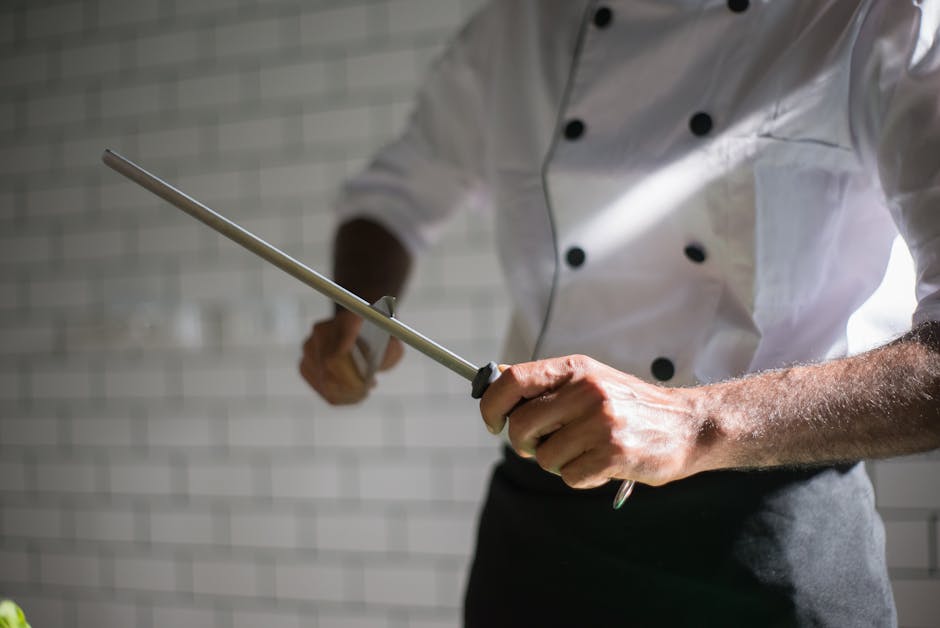
Did You Know These Cooking Techniques Are Thousands of Years Old?

Did You Know These Cooking Techniques Are Thousands of Years Old?

⏱️ 5 min read

Modern kitchens are filled with sophisticated appliances and contemporary culinary innovations, yet many of the fundamental cooking techniques used today have ancient origins. These time-tested methods have survived millennia because they effectively transform raw ingredients into delicious, digestible meals. Understanding the historical roots of common cooking practices offers fascinating insight into human ingenuity and the universal nature of food preparation across cultures.

Fermentation: The Ancient Art of Preservation

Fermentation stands as one of humanity's oldest food processing techniques, with archaeological evidence suggesting its use dating back at least 10,000 years. Ancient civilizations discovered that allowing microorganisms to break down food components not only preserved ingredients but also enhanced their nutritional value and flavor profiles.

The Neolithic Chinese were producing fermented beverages around 7000 BCE, while evidence of wine production in the Caucasus region dates back to 6000 BCE. Mesopotamians documented beer brewing on clay tablets, and ancient Egyptians perfected bread-making through natural fermentation. Today, this ancient technique remains essential for producing yogurt, cheese, kimchi, sauerkraut, kombucha, and countless other foods enjoyed worldwide.

Roasting Over Open Flames

The discovery of fire fundamentally changed human existence, and roasting represents perhaps the most primitive cooking method known to our species. Archaeological sites containing charred animal bones suggest that early humans were roasting meat over open flames as far back as 1.9 million years ago, though controlled use of fire for cooking likely became widespread around 400,000 years ago.

This technique allowed early humans to make tough proteins more digestible, kill harmful pathogens, and unlock flavors that raw foods couldn't provide. The Maillard reaction—the chemical process that creates the savory, browned exterior on roasted foods—became a cornerstone of flavor development that continues to define modern cuisine.

Smoking: Preservation Through Fire

Smoking emerged as both a preservation method and flavor enhancement technique in prehistoric times. Ancient peoples noticed that meat and fish hung near fires lasted longer without spoiling, leading to the deliberate practice of smoke-curing foods. Evidence from caves in France suggests that smoking was practiced at least 20,000 years ago.

Different cultures developed unique smoking traditions based on available wood types and regional preferences. Native Americans perfected smoking techniques for preserving salmon and buffalo, while Europeans developed distinctive methods for producing smoked hams, sausages, and fish. The antimicrobial properties of smoke, combined with dehydration, created shelf-stable foods long before refrigeration existed.

Boiling and the Revolution of Pottery

While roasting requires only fire and food, boiling demanded technological innovation. Before pottery, ancient peoples boiled water by placing heated stones into containers made from bark, shells, or animal skins. The invention of fire-resistant pottery around 20,000 years ago revolutionized cooking by enabling direct heat boiling.

This technique allowed for the preparation of grains, legumes, and tough vegetables that would otherwise be inedible. Boiling also facilitated the extraction of nutrients from bones to create nutritious broths and soups. Archaeological sites in China reveal pottery used for boiling as early as 20,000 years ago, while Japanese Jōmon pottery dates back approximately 16,500 years.

Drying: Nature's Preservation Method

Sun-drying represents one of the simplest yet most effective food preservation techniques, requiring only sunshine, air circulation, and time. Ancient civilizations across every continent practiced drying to preserve fruits, vegetables, meat, and fish. Evidence suggests that Middle Eastern cultures were drying dates and figs as early as 12,000 BCE.

The removal of moisture prevents bacterial growth and enzymatic reactions that cause spoilage. Native Americans created pemmican by drying meat and mixing it with fat and berries, producing a nutrient-dense food that could last for years. Mediterranean cultures sun-dried tomatoes, grapes, and herbs, creating concentrated flavors that enhanced their cuisine.

Grinding and Milling Grains

The transformation of wild grasses into edible grains required sophisticated grinding techniques. Archaeological evidence from Italy shows humans were making flour from various plants as far back as 30,000 years ago. The development of mortars, pestles, and eventually millstones allowed ancient peoples to process hard seeds into digestible flour.

This technique enabled the agricultural revolution and the rise of civilization itself. Ancient Egyptians, Mesopotamians, and other early societies built their cultures around grain cultivation and processing. The basic principle of grinding grains between two hard surfaces remains unchanged, though modern mills have mechanized the process.

Steaming: Gentle Heat Application

Steaming emerged independently in multiple ancient cultures as a gentle cooking method that preserves nutrients and delicate textures. Chinese bronze steamers dating back to the Shang Dynasty (1600-1046 BCE) demonstrate sophisticated multi-level designs remarkably similar to bamboo steamers used today. Ancient Mesoamerican cultures steamed tamales in corn husks, while Pacific Island peoples developed earth ovens that used steam from hot stones.

This technique requires generating steam through boiling water and allowing the vapor to cook food without direct contact with water or fire. The method preserves water-soluble vitamins better than boiling and maintains the structural integrity of delicate foods.

The Enduring Legacy of Ancient Techniques

These ancient cooking methods have endured because they fundamentally work with the chemical and physical properties of food. Modern technology has refined and accelerated these processes, but the underlying principles remain unchanged. Understanding these historical techniques connects contemporary cooks with thousands of years of human culinary evolution and demonstrates that innovation often builds upon timeless foundations rather than replacing them entirely.
Top 10 Foods With the Weirdest Backstories

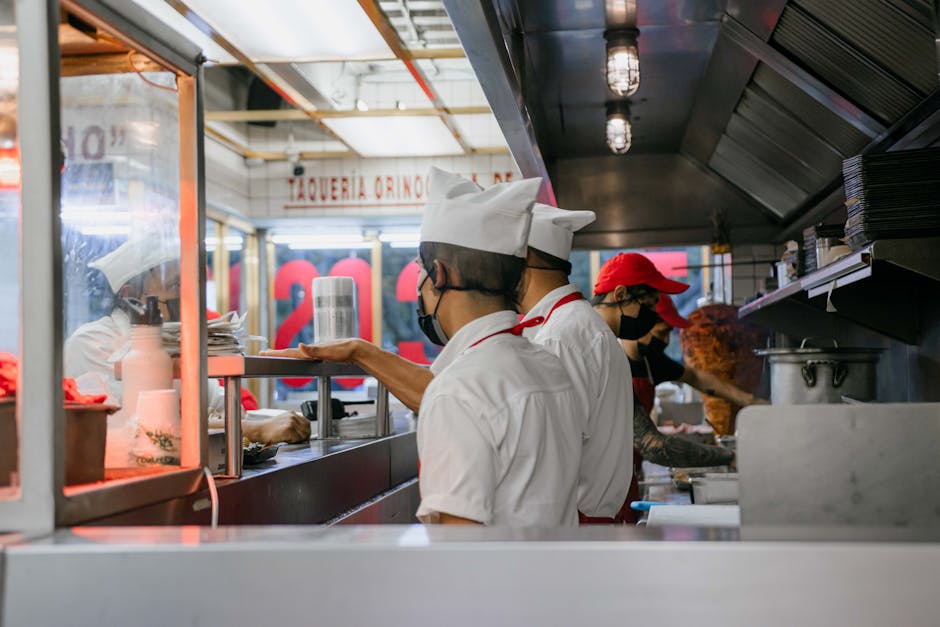
Top 10 Foods With the Weirdest Backstories

⏱️ 6 min read

Food history is filled with bizarre accidents, unusual discoveries, and peculiar circumstances that led to the creation of some of today's most beloved dishes. From laboratory experiments gone wrong to wartime innovations, these culinary creations emerged from the strangest situations imaginable. Their origin stories are often more fascinating than the foods themselves, revealing how necessity, chance, and sometimes sheer desperation shaped the way we eat today.

Strange Tales Behind Your Favorite Foods

1. Popsicles: The Frozen Accident of an 11-Year-Old

In 1905, an 11-year-old boy named Frank Epperson left a mixture of powdered soda, water, and a stirring stick on his porch overnight during an unusually cold San Francisco evening. The next morning, he discovered the liquid had frozen solid with the stick standing upright. Epperson initially called his creation the "Epsicle," but nearly two decades later, he finally applied for a patent and renamed it the "Popsicle" after his children began calling it "Pop's sicle." What started as a childhood mistake became one of the most popular frozen treats in history, selling millions annually.

2. Champagne: Exploding Bottles and Accidental Bubbles

The sparkling wine we associate with celebrations was originally considered a winemaking failure. In the 17th century, French winemakers in the Champagne region struggled with bottles that would spontaneously explode due to unexpected secondary fermentation. The cold winters would halt fermentation, but when spring arrived, the dormant yeast would reawaken, creating carbon dioxide that shattered countless bottles. Benedictine monk Dom Pérignon spent years trying to eliminate these bubbles, viewing them as a flaw. Eventually, winemakers embraced the effervescence, and the "mistake" became one of the world's most prestigious beverages.

3. Worcestershire Sauce: The Forgotten Barrel Surprise

Two chemists in Worcester, England, John Wheeley Lea and William Henry Perrins, attempted to recreate an Indian sauce recipe for a nobleman in the 1830s. Their first batch tasted so terrible they stored the barrels in their cellar and forgot about them. Years later, while cleaning, they rediscovered the aged mixture and found it had transformed into a complex, savory condiment. The fermentation process had created the distinctive tangy flavor that now graces tables worldwide. The duo never imagined their failed experiment would become an essential ingredient in countless recipes.

4. Chocolate Chip Cookies: Running Out of Baker's Chocolate

Ruth Wakefield, owner of the Toll House Inn in Massachusetts, ran out of baker's chocolate while preparing cookies in 1938. In desperation, she chopped up a Nestlé semi-sweet chocolate bar and mixed the chunks into her dough, assuming they would melt and distribute evenly. Instead, the chocolate pieces held their shape, creating pockets of melted chocolate throughout the cookies. Her guests loved the unexpected texture, and Wakefield's improvisation became the chocolate chip cookie. She eventually sold her recipe to Nestlé in exchange for a lifetime supply of chocolate.

5. Potato Chips: A Chef's Petty Revenge

In 1853, railroad magnate Cornelius Vanderbilt dined at Moon's Lake House in Saratoga Springs, New York, and repeatedly sent his fried potatoes back to the kitchen, complaining they were too thick and soggy. Chef George Crum, frustrated by the criticism, decided to spite the difficult customer by slicing potatoes paper-thin, frying them until crispy, and heavily salting them. To everyone's surprise, Vanderbilt loved them. The vindictive creation became known as "Saratoga Chips" and eventually evolved into the potato chip industry worth billions today.

6. Ketchup: From Fish Sauce to Tomato Condiment

Modern ketchup bears little resemblance to its ancestor, a fermented fish sauce called "ke-tsiap" from southern China. British colonists encountered this pungent condiment in the 17th century and attempted to recreate it using various ingredients including mushrooms, walnuts, and oysters—everything except tomatoes. Americans didn't add tomatoes to ketchup until the early 1800s, and even then, the recipe included cocaine and morphine as preservatives. It took until 1906 and the Pure Food and Drug Act for ketchup to resemble the sweet, tomato-based sauce we recognize today.

7. Coca-Cola: The Morphine Addiction Cure

Pharmacist John Pemberton created Coca-Cola in 1886 as a patent medicine intended to cure morphine addiction, which he himself suffered from after being wounded in the Civil War. His original formula contained cocaine from coca leaves and caffeine from kola nuts, marketed as a brain tonic and intellectual beverage. Pemberton sold his formula for a mere $1,750 shortly before his death, never knowing his medicinal syrup would become the world's most recognized brand. The cocaine was removed from the recipe in 1903, but the drink's origins as an addiction treatment remain one of history's strangest ironies.

8. Fettuccine Alfredo: A Sick Wife's Bland Comfort Food

Roman restaurateur Alfredo di Lelio created his famous pasta dish in 1914 for an unglamorous reason: his wife was experiencing severe nausea during pregnancy and couldn't keep down most foods. He prepared an extremely simple dish of fresh fettuccine tossed with butter and Parmesan cheese, which she could tolerate. Alfredo began serving this bland comfort food at his restaurant, where it became popular with American tourists. The dish that millions now consider a rich, indulgent classic originated as the most basic meal possible, designed specifically for an upset stomach.

9. Cornflakes: Preventing Sexual Urges Through Breakfast

Dr. John Harvey Kellogg, a Seventh-day Adventist and director of a Michigan sanitarium, invented cornflakes in 1894 as part of his anti-masturbation crusade. He believed that spicy and flavorful foods increased sexual desire, so he developed deliberately bland foods to suppress such urges in his patients. Along with his brother Will Keith Kellogg, he created the first cornflakes through an accidental process involving boiled wheat that was left out and went stale. The resulting flakes were tasteless by design, fulfilling Dr. Kellogg's mission to create the most passion-suppressing breakfast possible—though modern sugar-coated versions have strayed far from his puritanical vision.

10. Margarine: Pink Butter Alternative for Napoleon's Navy

French Emperor Napoleon III sponsored a contest in 1869 to create a cheap butter substitute for his armed forces and the lower classes. Chemist Hippolyte Mège-Mouriès won by inventing margarine from beef tallow and milk. Early margarine was an unappetizing white color, so manufacturers added yellow dyes to make it resemble butter—but dairy lobbyists fought back. Some U.S. states forced manufacturers to dye margarine pink or banned it entirely to protect butter sales. Margarine remained illegal in Wisconsin until 1967, and its century-long battle with the dairy industry represents one of food history's most contentious fights.

Conclusion

These ten foods demonstrate that culinary innovation often emerges from the most unexpected circumstances. Whether born from mistakes, spite, medical quackery, or wartime necessity, these dishes transformed from their strange beginnings into staples of modern cuisine. Their peculiar backstories remind us that today's beloved foods might have originated from tomorrow's forgotten experiments, and that the line between failure and success in the kitchen is often surprisingly thin. The next time you enjoy these familiar foods, you'll know the bizarre journeys they took to reach your plate.