











1 / 10 Questions
0 Points

Which Animal Can Freeze Solid And Survive?

Arctic Fox

Wood Frog

Snowy Owl

Polar Bear

Points won
0
Correct score
0%

More Questions

More Articles

Did You Know These Snacks Are Only Popular in Certain Countries?

Did You Know These Snacks Are Only Popular in Certain Countries?

⏱️ 5 min read

The world of snacks is far more diverse and regionally specific than most people realize. While some treats have achieved global recognition, countless beloved snacks remain confined to their countries of origin, creating unique culinary identities that surprise international travelers. These regional favorites often reflect local tastes, cultural traditions, and ingredient availability, offering fascinating insights into different food cultures around the globe.

The Phenomenon of Regional Snack Preferences

Food companies have long understood that snack preferences vary dramatically across borders. What appeals to consumers in one country may seem unusual or even unappetizing in another. This regionalization occurs due to various factors including cultural history, local ingredient availability, climate, and established flavor profiles that develop over generations. Many multinational corporations create entirely different product lines for specific markets, while local manufacturers thrive by catering to tastes that outsiders might find peculiar.

Japanese Snacks: Beyond Pocky and Kit Kats

Japan's snack culture extends far beyond its internationally recognized treats. Natto-flavored rice crackers, for instance, remain almost exclusively popular within Japan despite the country's fermented soybean dish being a daily staple for millions. The strong, acquired taste and distinctive aroma make these crackers a hard sell internationally, yet they occupy significant shelf space in Japanese convenience stores.

Konpeito, traditional Japanese sugar candies with a crystalline structure, have been produced since the 16th century but remain relatively unknown outside Japan and a few Asian countries. These colorful, star-shaped candies hold cultural significance in Japanese tea ceremonies and celebrations, demonstrating how snacks can be deeply intertwined with local customs.

European Exclusives: Salty Licorice and Beyond

Scandinavia's obsession with salty licorice, known as "salmiak," puzzles outsiders who encounter it for the first time. This intensely flavored treat, containing ammonium chloride, dominates candy aisles in Denmark, Sweden, Finland, and the Netherlands. Varieties range from moderately salty to extremely intense, with brands like Djungelvrål and Tyrkisk Peber achieving cult status in their home countries while remaining virtually unknown elsewhere.

The United Kingdom's love affair with Marmite-flavored snacks represents another regional peculiarity. While the yeast extract spread itself divides British consumers, Marmite-flavored crisps, cashews, and rice cakes enjoy steady popularity domestically but rarely venture beyond Commonwealth countries. The umami-rich, intensely savory flavor profile doesn't translate well to markets unfamiliar with the original product.

North American Regional Favorites

Canada's ketchup-flavored chips represent a distinctly Canadian phenomenon that bewilders American neighbors despite the countries' geographical proximity and cultural similarities. These tangy, tomato-flavored crisps have been a Canadian staple since the 1970s, yet they've never gained significant traction in the United States, where ranch and sour cream flavors dominate.

Conversely, certain American snacks remain predominantly domestic affairs. Circus peanuts, those orange marshmallow candies with artificial banana flavor, perplex international visitors but maintain a loyal American following. Combos, pretzel or cracker shells filled with cheese or pizza-flavored centers, similarly remain an American convenience store staple with minimal international presence.

Latin American Snacking Traditions

Mexico's extensive array of chili-covered snacks represents a flavor intensity level that doesn't translate directly to many other markets. Products like Pulparindo, a tamarind candy coated with chili powder, and Rockaleta, multi-layered lollipops combining sweet, sour, and spicy elements, exemplify the Mexican palate's appreciation for complex, bold flavors. These treats remain primarily popular in Mexico and among Mexican diaspora communities.

Argentinian alfajores, while known in neighboring South American countries, rarely appear outside the continent despite their delicious combination of cookies, dulce de leche, and chocolate coating. The snack's delicate texture and need for careful storage have limited its international expansion, keeping it a regional treasure.

Australian and New Zealand Specialties

Tim Tams hold an almost sacred status in Australian snack culture, yet these chocolate-coated biscuits remain relatively niche products in most international markets. While available in some specialty stores worldwide, they lack the widespread recognition they enjoy domestically, where the "Tim Tam Slam" drinking ritual has become part of national identity.

New Zealand's Pineapple Lumps, chewy pineapple-flavored confections covered in chocolate, represent another Oceanic exclusive. Despite their popularity in New Zealand since the 1950s, these candies remain virtually unknown elsewhere, partly due to the unusual flavor combination that appeals specifically to Kiwi tastes.

Asian Innovations That Stay Local

South Korea's dried seaweed snacks have gained some international traction, but numerous other Korean snacks remain domestic favorites. Honey butter chips, which created a nationwide craze in 2014, have stayed primarily within Korean and Korean-American markets despite their addictive sweet-savory profile.

Philippines' dried fish snacks and crispy pork rinds seasoned with local spices dominate domestic markets but rarely expand internationally. These protein-based snacks reflect Filipino food preferences and snacking habits that differ significantly from Western conventions.

The Future of Regional Snacks

While globalization continues to homogenize some aspects of food culture, regional snacks persist due to deeply embedded taste preferences and cultural associations. E-commerce and international food markets have made these exclusive treats more accessible to curious consumers worldwide, yet most remain primarily popular in their countries of origin. This regional diversity enriches global food culture, offering endless opportunities for culinary exploration and reminding us that taste is deeply personal and culturally conditioned.
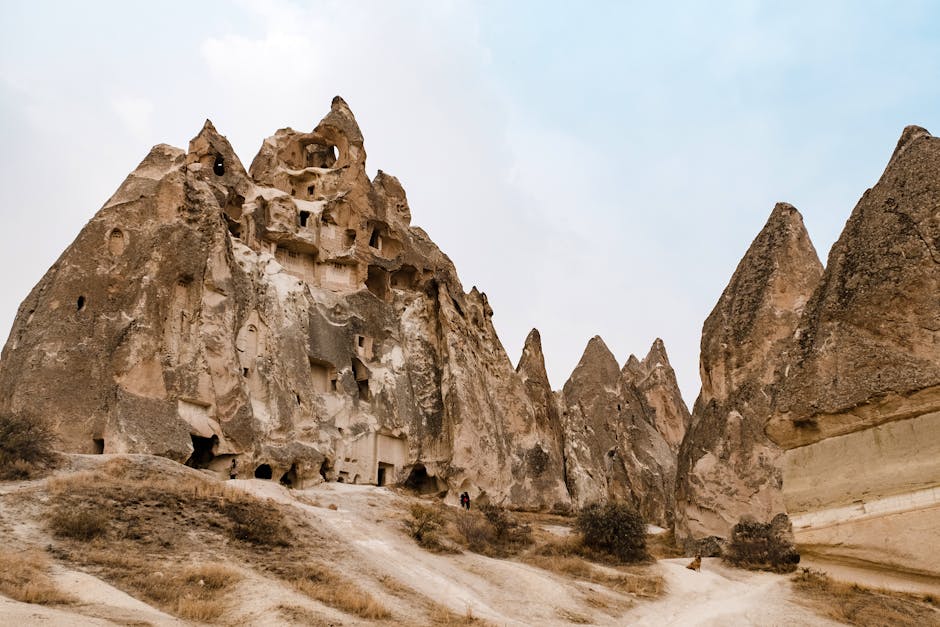
Top 10 Quick Facts About Ancient Civilizations

Top 10 Quick Facts About Ancient Civilizations

⏱️ 7 min read

Ancient civilizations laid the groundwork for modern society, developing innovations and systems that continue to influence our world today. From architectural marvels to mathematical breakthroughs, these early societies achieved remarkable feats that still captivate historians and archaeologists. Understanding these civilizations provides insight into human ingenuity, cultural development, and the foundations of contemporary life. Here are ten fascinating facts that illuminate the achievements and mysteries of ancient peoples across the globe.

Remarkable Discoveries from the Ancient World

1. The Sumerians Invented Writing Over 5,000 Years Ago

The ancient Sumerians of Mesopotamia developed cuneiform script around 3200 BCE, making it one of the earliest known writing systems in human history. This wedge-shaped script was initially created to record economic transactions, such as grain distribution and trade agreements. The Sumerians pressed reed styluses into clay tablets, creating permanent records that have survived millennia. This innovation revolutionized human communication, enabling the transmission of knowledge across generations and the development of complex administrative systems. Cuneiform eventually evolved to record literature, laws, and religious texts, including the famous Epic of Gilgamesh.

2. Ancient Egyptians Practiced Advanced Medical Procedures

The medical knowledge of ancient Egypt was remarkably sophisticated for its time, with physicians performing surgeries, setting broken bones, and even conducting dental procedures. The Edwin Smith Papyrus, dating to around 1600 BCE, documents 48 surgical cases and demonstrates knowledge of the brain, heart, and circulatory system. Egyptian doctors understood the importance of hygiene and used various natural remedies, including honey as an antibiotic. They also practiced mummification, which provided them with detailed anatomical knowledge. Medical specialization existed in ancient Egypt, with different doctors focusing on specific ailments or body parts, much like modern medical practice.

3. The Indus Valley Civilization Had Superior Urban Planning

The Harappan civilization, which flourished in the Indus Valley from approximately 3300 to 1300 BCE, demonstrated exceptional urban planning skills that rivaled or exceeded their contemporaries. Cities like Mohenjo-daro and Harappa featured sophisticated drainage systems, public baths, and grid-pattern streets. Houses were built with standardized baked bricks and included private wells and bathrooms connected to covered drainage systems. This level of sanitation infrastructure would not be matched in many parts of the world until the modern era. The civilization also used standardized weights and measures, facilitating trade across vast distances.

4. Ancient Chinese Developed Earthquake Detection Technology

In 132 CE, Chinese astronomer and mathematician Zhang Heng invented the first seismoscope, a device capable of detecting earthquakes from hundreds of miles away. This bronze vessel, decorated with dragon heads, contained a pendulum mechanism that would drop bronze balls from dragons' mouths into the mouths of bronze toads below when seismic waves were detected. The direction from which the ball fell indicated the direction of the earthquake's epicenter. This remarkable invention predated similar technology in the West by over 1,500 years and demonstrated the advanced understanding of natural phenomena possessed by ancient Chinese scientists.

5. The Maya Created a Highly Accurate Calendar System

The ancient Maya civilization developed one of the most sophisticated calendar systems in the ancient world, demonstrating their advanced mathematical and astronomical knowledge. Their Long Count calendar could track vast periods of time with remarkable precision, and their calculations of the solar year were more accurate than the Julian calendar used in Europe at the time. The Maya actually used multiple interconnected calendars: the 260-day Tzolk'in ritual calendar, the 365-day Haab' civil calendar, and the Long Count for historical records. Their astronomical observations were so precise that they could predict solar eclipses and track the movements of Venus with extraordinary accuracy.

6. Ancient Rome Built an Extensive Road Network Spanning 250,000 Miles

The Romans constructed one of history's most impressive infrastructure achievements: a road network that connected their vast empire from Britain to North Africa and from Spain to the Middle East. At its peak, the Roman road system encompassed approximately 250,000 miles of roads, including over 50,000 miles of paved highways. These roads were engineering marvels, built with multiple layers including foundations, drainage systems, and paved surfaces. Many Roman roads remain in use today, either as modern roads built over the original routes or as archaeological sites. The famous saying "all roads lead to Rome" reflects the centrality of this network to the empire's success in trade, military deployment, and communication.

7. Ancient Persians Pioneered Refrigeration and Ice Storage

The ancient Persians developed ingenious methods for storing ice and creating refrigeration in the hot desert climate around 400 BCE. They constructed structures called yakhchāls, large domed buildings with thick insulated walls made of a special mortar resistant to heat transfer. These structures could store ice harvested from mountains during winter, keeping it frozen throughout the summer months. Some yakhchāls also produced ice through evaporative cooling systems. Underground channels called qanats brought cold water from mountains, and wind catchers directed cool breezes into the structures. This technology allowed ancient Persians to preserve food and enjoy cold desserts in the middle of summer.

8. The Ancient Greeks Developed Democratic Governance

Ancient Athens introduced democracy in the 5th century BCE, creating a system where citizens could participate directly in decision-making. While this democracy was limited to free male citizens and excluded women, slaves, and foreigners, it represented a revolutionary approach to governance. Athenian citizens voted on laws and policies, served on juries, and could hold public office through selection by lottery. This system included checks and balances, such as ostracism to prevent tyranny, and public debates in the Assembly. The philosophical foundations developed by Greek thinkers like Plato and Aristotle regarding justice, citizenship, and governance continue to influence political theory and democratic systems worldwide.

9. Ancient Babylonians Understood Advanced Mathematical Concepts

The Babylonian civilization, which flourished in Mesopotamia from around 1895 to 539 BCE, demonstrated remarkable mathematical sophistication. They developed a base-60 number system, which we still use today for measuring time and angles. Babylonian mathematicians understood quadratic equations, could calculate square and cube roots, and worked with geometric concepts including the Pythagorean theorem over a thousand years before Pythagoras. Clay tablets reveal their use of mathematical tables and their ability to solve complex algebraic problems. They also made significant astronomical calculations, tracking planetary movements and predicting celestial events with impressive accuracy.

10. Ancient Phoenicians Mastered Maritime Trade and Navigation

The Phoenicians, who lived along the Mediterranean coast of present-day Lebanon from around 1500 to 300 BCE, became the greatest seafarers and traders of the ancient world. They developed advanced shipbuilding techniques and navigational skills, venturing beyond the Mediterranean to establish trade routes reaching Britain, West Africa, and possibly even circumnavigating Africa. The Phoenicians spread their alphabet throughout their trading network, which became the basis for Greek, Latin, and ultimately most modern alphabets. They established colonies across the Mediterranean, including the famous city of Carthage, and created a vast commercial empire based on trade in purple dye, cedar wood, glass, and other luxury goods.

Lasting Impact of Ancient Achievements

These ten facts merely scratch the surface of the innovations and achievements accomplished by ancient civilizations. From the development of writing and mathematics to advances in medicine, engineering, and governance, these early societies established foundations that continue to support modern civilization. Their accomplishments remind us that human ingenuity and problem-solving abilities have always driven progress, regardless of the technological resources available. By studying these ancient cultures, we gain not only historical knowledge but also inspiration and perspective on our own capabilities and the enduring nature of human achievement across millennia.