
⏱️ 5 min read
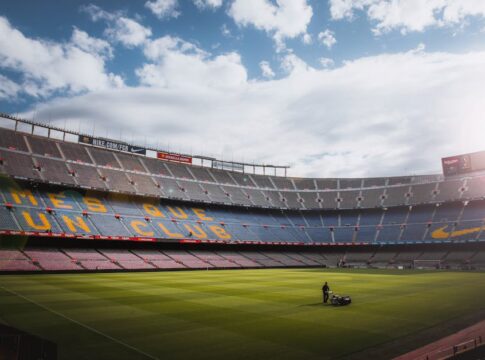
Modern sports stadiums are architectural marvels that captivate millions of fans worldwide, but beneath their grandstands and behind their walls lie fascinating secrets that most visitors never discover. These hidden features range from underground tunnels and secret rooms to cutting-edge technology and unexpected amenities that serve purposes far beyond hosting sporting events. Understanding these concealed elements reveals the complexity and ingenuity behind stadium design and operation.
Underground Networks and Secret Passages
Many of the world’s most famous stadiums contain extensive underground tunnel systems that form a hidden city beneath the playing surface. These subterranean networks serve multiple critical functions, from player movement to security operations. At AT&T Stadium in Arlington, Texas, home of the Dallas Cowboys, an elaborate underground system allows players, coaches, and VIPs to move throughout the facility without encountering the general public.
The historic Rose Bowl in Pasadena, California, features tunnels that were constructed during World War II and served as fallout shelters. These passages now house equipment storage, maintenance facilities, and provide access routes for emergency personnel. Similarly, Wembley Stadium in London contains over 2,000 rooms connected by a maze of corridors, many of which are restricted to authorized personnel only.
Hidden Detention Facilities and Court Systems
A surprising feature found in several major stadiums is the presence of holding cells and even courtrooms designed to process arrests that occur during events. The Emirates Stadium in London includes a fully functional police station complete with custody cells where officers can detain and process individuals without leaving the venue. This innovation significantly reduces the time required to handle incidents and allows law enforcement to maintain order more efficiently during high-capacity events.
Some American stadiums have taken this concept further by incorporating courtrooms where judges can immediately process misdemeanor cases. This system allows for rapid adjudication of minor offenses, ensuring that justice is swift while preventing the complications of transporting arrestees through crowds of tens of thousands of spectators.
Concealed Living Quarters and Private Suites
Certain stadiums contain hidden residential spaces that few people know exist. The most famous example is the secret apartment built inside the Olympic Stadium in Montreal. For years, a maintenance worker lived in a concealed 600-square-foot apartment within the stadium structure, complete with a bedroom, kitchen, and bathroom. The space remained undiscovered by management for an extended period.
Other venues feature luxurious owner’s suites that go far beyond typical luxury boxes. These private spaces often include bedrooms, full kitchens, private elevators, and amenities that rival five-star hotels. Some even have secret entrances that allow team owners and their guests to enter and exit without being seen by other attendees or media.
Advanced Surveillance and Security Operations Centers
Hidden behind unmarked doors in modern stadiums are sophisticated command centers that would rival government security facilities. These operations rooms contain banks of monitors displaying feeds from hundreds or even thousands of cameras positioned throughout the venue. Security personnel monitor crowd behavior, identify potential threats, and coordinate responses to incidents in real-time.
The Mercedes-Benz Stadium in Atlanta features a state-of-the-art security center equipped with facial recognition technology, thermal imaging systems, and advanced analytics software that can detect unusual crowd patterns or abandoned objects. These hidden facilities operate 24/7 during events, with teams of specialists working in shifts to ensure fan safety.
Secret Gardens and Green Spaces
Some stadiums incorporate hidden gardens and rooftop green spaces that serve both aesthetic and functional purposes. These concealed natural areas often play crucial roles in rainwater management, temperature regulation, and even food production. The Levi’s Stadium in Santa Clara, California, features a hidden green roof that spans approximately 27,000 square feet and helps reduce energy costs while managing stormwater runoff.
Certain venues have taken sustainability further by including concealed hydroponic gardens that grow fresh produce used in concession stands and restaurants. These hidden agricultural spaces demonstrate how modern stadiums are incorporating environmental consciousness into their design.
Hidden Museums and Archives
Many historic stadiums contain secret museums or archives that preserve team history and memorabilia away from public view. These climate-controlled vaults house priceless artifacts, from game-worn jerseys and championship trophies to historical documents and photographs. Access to these collections is typically restricted to team historians, researchers, and special guests.
Yankee Stadium includes hidden archive rooms containing decades of New York Yankees history, with items too valuable or fragile for public display. Similarly, historic European football clubs maintain secret collections within their stadiums, preserving their heritage for future generations.
Concealed Infrastructure and Technology
The most extensive hidden features in modern stadiums are often related to infrastructure and technology. Massive mechanical systems control heating, cooling, and ventilation, while hidden retractable roof mechanisms represent engineering marvels. The stadium in Phoenix, home to the Arizona Cardinals, features a retractable field that rolls in and out of the building, allowing the natural grass to receive sunlight outside the stadium when not in use.
Sophisticated audio systems require extensive hidden infrastructure, with speaker arrays, amplifiers, and control systems concealed throughout the venue. Modern stadiums also contain hidden data centers that power WiFi networks, digital displays, and mobile applications, creating an invisible technological backbone that enhances the fan experience.
Emergency Preparedness Features
Hidden throughout stadiums are emergency response features designed to handle disasters. Concealed medical facilities rival small hospitals, equipped with operating rooms, trauma bays, and intensive care capabilities. These hidden medical centers can handle mass casualty events without overwhelming local emergency services. Additionally, many venues contain hidden emergency power systems, backup water supplies, and communication systems designed to function during catastrophic events, making stadiums potential emergency shelters for surrounding communities.