











1 / 10 Questions
0 Points
Points won
0
Correct score
0%

More Questions

More Articles

Did You Know Why We Dream the Way We Do?

Did You Know Why We Dream the Way We Do?

⏱️ 5 min read

Every night, as we drift into sleep, our minds embark on journeys through surreal landscapes, encounter long-lost friends, or relive fragmented memories in bizarre combinations. Dreams have fascinated humanity for millennia, yet the science behind why we dream and what shapes these nocturnal narratives remains one of neuroscience's most intriguing puzzles. Understanding the mechanisms and purposes behind our dreams reveals fascinating insights into how our brains process information, emotions, and experiences.

The Brain's Nighttime Theater: What Happens When We Dream

Dreams primarily occur during the Rapid Eye Movement (REM) stage of sleep, though they can happen during other sleep stages as well. During REM sleep, the brain becomes remarkably active, with neural activity levels resembling those of waking consciousness. The visual cortex, which processes what we see, lights up intensely, explaining the vivid imagery in dreams. Meanwhile, the prefrontal cortex—responsible for logical reasoning and self-awareness—shows reduced activity, which accounts for why dream scenarios often seem perfectly normal while we're experiencing them, despite their absurdity.

The limbic system, particularly the amygdala, which governs emotions, becomes highly active during dreaming. This explains why dreams often carry intense emotional weight, whether fear, joy, anxiety, or excitement. The brain also releases specific neurotransmitters during REM sleep while suppressing others, creating a unique neurochemical environment that shapes the dream experience.

The Memory Consolidation Theory

One of the most widely accepted explanations for dreaming centers on memory processing and consolidation. Throughout the day, we encounter countless pieces of information, experiences, and sensory inputs. The brain cannot retain everything, so it must sort through these experiences during sleep, deciding what to store in long-term memory and what to discard.

Research has demonstrated that REM sleep plays a crucial role in consolidating procedural memories—the "how-to" knowledge like riding a bicycle or playing an instrument. Dreams may represent the brain's process of reviewing and organizing these memories, creating connections between new information and existing knowledge networks. This explains why students who study before sleeping often retain information better than those who study and stay awake.

The brain also appears to use dreams to process emotional experiences. Traumatic or emotionally significant events frequently appear in dreams, sometimes repeatedly, as the brain works to integrate these experiences into our psychological framework. This processing helps us make sense of difficult experiences and may contribute to emotional regulation and psychological resilience.

The Threat Simulation Hypothesis

From an evolutionary perspective, some researchers propose that dreams serve as a biological defense mechanism. The threat simulation theory suggests that dreams function as a virtual reality simulator where the brain rehearses responses to dangerous or challenging situations. Throughout human evolution, those who could mentally practice escaping predators or navigating social conflicts would have had survival advantages.

This theory helps explain why nightmares and anxiety-inducing dreams are so common. Dreams frequently involve threatening scenarios, being chased, falling, or facing dangerous situations. By repeatedly experiencing and responding to these simulated threats, the brain may be preparing neural pathways for real-world challenges, essentially conducting safety drills while we sleep.

The Activation-Synthesis Model

Another prominent explanation for dream formation is the activation-synthesis hypothesis. This model proposes that dreams result from the brain's attempt to make sense of random neural activity during sleep. The brainstem generates spontaneous neural impulses during REM sleep, and the cortex—always seeking patterns and meaning—tries to create coherent narratives from these random signals.

This theory explains several peculiar aspects of dreams:

  • Bizarre combinations of people, places, and events occur because the brain is stitching together randomly activated memories
  • Sudden scene changes happen as different neural circuits fire in sequence
  • Impossible events seem plausible because the narrative-creating parts of the brain work with whatever neural activations occur
  • Dream plots often lack logical consistency, reflecting the patchwork nature of their creation

Why We Dream About Specific Things

The content of our dreams reflects various influences. Recent experiences heavily impact dream content, with studies showing that activities, concerns, or events from the previous day frequently appear in dreams. This "day residue" demonstrates how the sleeping brain continues processing waking experiences.

Recurring themes in dreams often relate to unresolved psychological issues or ongoing stressors. Common dream scenarios—showing up unprepared for an exam, losing teeth, or being unable to move—may reflect universal human anxieties about competence, health, and control. Cultural factors also shape dream content, with different societies reporting varying dream themes based on their values and concerns.

Personal experiences, traumas, and deep-seated concerns manifest in symbolic or direct ways during dreams. The brain draws from the entire repository of memories, experiences, and knowledge when constructing dreams, which explains why deceased loved ones, childhood homes, or long-forgotten acquaintances suddenly appear in our nighttime narratives.

The Continuing Mystery

Despite significant advances in neuroscience and sleep research, dreams remain partially mysterious. No single theory fully explains all aspects of dreaming, and researchers increasingly recognize that dreams likely serve multiple functions simultaneously. They may consolidate memories while processing emotions, rehearse threat responses while integrating experiences, and create meaning from neural activity all at once.

Modern neuroimaging technology continues revealing new insights into the dreaming brain, and each discovery brings us closer to understanding this fundamental aspect of human consciousness. What remains clear is that dreams are not random noise but meaningful products of complex brain processes that serve important psychological and cognitive functions, helping us navigate our waking lives more effectively.
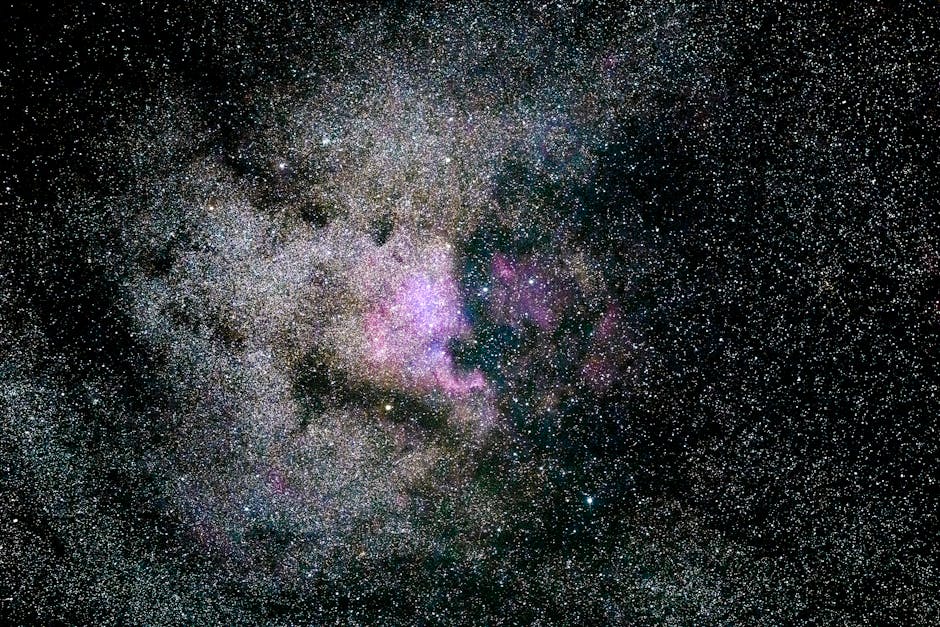
Top 10 Fast Facts About Space Exploration

Top 10 Fast Facts About Space Exploration

⏱️ 6 min read

Humanity's journey beyond Earth represents one of the most ambitious endeavors in our history. From the first artificial satellites to landing rovers on distant planets, space exploration continues to push the boundaries of what's possible. The achievements and discoveries made in the cosmos have transformed our understanding of the universe and our place within it. Here are ten fascinating facts that highlight the remarkable progress and surprising realities of our ventures into space.

The Speed Required to Escape Earth's Gravity

To break free from Earth's gravitational pull, spacecraft must reach an incredible velocity of approximately 25,000 miles per hour, known as escape velocity. This tremendous speed is necessary to overcome the planet's gravitational force and venture into space. Achieving this velocity requires powerful rockets burning millions of pounds of fuel within minutes. The physics behind escape velocity explains why space travel remains so challenging and expensive, as the energy requirements are enormous. This fundamental principle has shaped every aspect of rocket design since the dawn of the space age.

Footprints on the Moon Last for Millions of Years

The footprints left by Apollo astronauts on the lunar surface will remain virtually undisturbed for millions of years. Unlike Earth, the Moon has no atmosphere, which means there's no wind or weather to erode these marks. Without rain, rivers, or tectonic activity, the only forces that might eventually alter these footprints are micrometeorite impacts and the subtle effects of solar radiation. This remarkable preservation means that the physical evidence of humanity's first steps on another world will persist far longer than most monuments on Earth, serving as an eternal testament to our achievement.

More Than 560 People Have Traveled to Space

As of recent counts, over 560 individuals from more than 40 countries have journeyed beyond Earth's atmosphere. This number includes astronauts, cosmonauts, and space tourists who have experienced the unique environment of space. The diversity of these space travelers has grown significantly since Yuri Gagarin became the first human in space in 1961. Women, people of various nationalities, and even private civilians have now joined the ranks of space explorers, reflecting the increasingly international and accessible nature of space exploration.

The International Space Station Travels at 17,500 Miles Per Hour

The International Space Station orbits Earth at an astounding speed of approximately 17,500 miles per hour, completing a full orbit around our planet every 90 minutes. This means astronauts aboard the ISS witness 16 sunrises and sunsets every 24 hours. The station maintains this incredible velocity to counteract Earth's gravity and remain in stable orbit at an altitude of roughly 250 miles above the surface. Despite this tremendous speed, astronauts experience microgravity because they are in continuous free fall around Earth, creating the sensation of weightlessness.

Space Suits Cost More Than Luxury Homes

A single spacesuit designed for extravehicular activity costs approximately 12 million dollars to produce. These sophisticated garments are essentially personalized spacecraft, providing oxygen, temperature regulation, pressure control, and protection from radiation and micrometeoroids. Each suit contains multiple layers of specialized materials and complex life support systems. The high cost reflects the extensive engineering, testing, and customization required to keep astronauts alive in the hostile environment of space. NASA's spacesuits are designed to be reusable and are maintained and upgraded over many years to justify this substantial investment.

Voyager 1 Remains Humanity's Farthest Traveling Object

Launched in 1977, Voyager 1 is now more than 14 billion miles from Earth and has entered interstellar space, making it the most distant human-made object in existence. The spacecraft continues to transmit data back to Earth despite being powered by decaying plutonium generators. Voyager 1 carries the famous Golden Record, containing sounds and images representing life on Earth, intended as a message to any potential extraterrestrial intelligence. The probe's journey demonstrates the longevity of well-engineered spacecraft and our ability to explore far beyond our solar system, though signals from Voyager 1 now take over 22 hours to reach Earth.

Zero Gravity Causes Astronauts to Grow Taller

Astronauts can grow up to two inches taller while in space due to the absence of gravitational compression on their spines. On Earth, gravity constantly compresses the fluid-filled discs between vertebrae, but in microgravity, the spine extends to its full length. This height increase is temporary, and astronauts return to their normal height within months of returning to Earth. However, this spinal elongation can cause back pain and discomfort for space travelers. Understanding these physiological changes is crucial for planning long-duration missions, including potential journeys to Mars.

Mars Missions Take Approximately Seven Months

The journey from Earth to Mars typically requires about seven months of space travel, depending on the positions of the two planets in their orbits. Mission planners must wait for optimal launch windows when Earth and Mars are properly aligned, which occur roughly every 26 months. The distance between the planets varies significantly due to their elliptical orbits, ranging from about 34 million miles at closest approach to over 250 million miles at their farthest. This lengthy travel time presents significant challenges for human missions, including life support requirements, psychological factors, and exposure to cosmic radiation during the voyage.

Thousands of Satellites Currently Orbit Earth

More than 8,000 active satellites currently orbit Earth, serving purposes ranging from communications and weather monitoring to GPS navigation and scientific research. This number has increased dramatically in recent years with the deployment of large satellite constellations for internet connectivity. However, the total number of tracked objects in orbit, including inactive satellites and space debris, exceeds 27,000. This growing congestion in Earth's orbit has raised concerns about collisions and the creation of more debris, leading to international discussions about space traffic management and the long-term sustainability of orbital activities.

The Hubble Space Telescope Has Made Over 1.5 Million Observations

Since its launch in 1990, the Hubble Space Telescope has made more than 1.5 million scientific observations, revolutionizing our understanding of the universe. Operating above Earth's distorting atmosphere, Hubble has captured stunning images of distant galaxies, nebulae, and other cosmic phenomena with unprecedented clarity. The telescope has helped determine the age of the universe, discovered moons around Pluto, and observed galaxies formed shortly after the Big Bang. Despite its age, Hubble continues to make groundbreaking discoveries, and its successor, the James Webb Space Telescope, now works alongside it to explore even deeper cosmic mysteries.

Conclusion

These ten facts illustrate the extraordinary achievements and ongoing challenges of space exploration. From the basic physics of escape velocity to the remarkable longevity of spacecraft like Voyager 1, each aspect reveals the ingenuity and determination required to explore beyond our planet. As technology advances and more nations and private companies join space exploration efforts, we continue to expand our presence in the cosmos, building on decades of accumulated knowledge and experience that have transformed humanity's relationship with the universe.